Nederlands
 English
US forces seized a massive oil tanker with ties to Iran and Hezbollah off Venezuela's coast in a major counter-terrorism operation, escalating tensions amid a significant US military buildup in the Caribbean region.
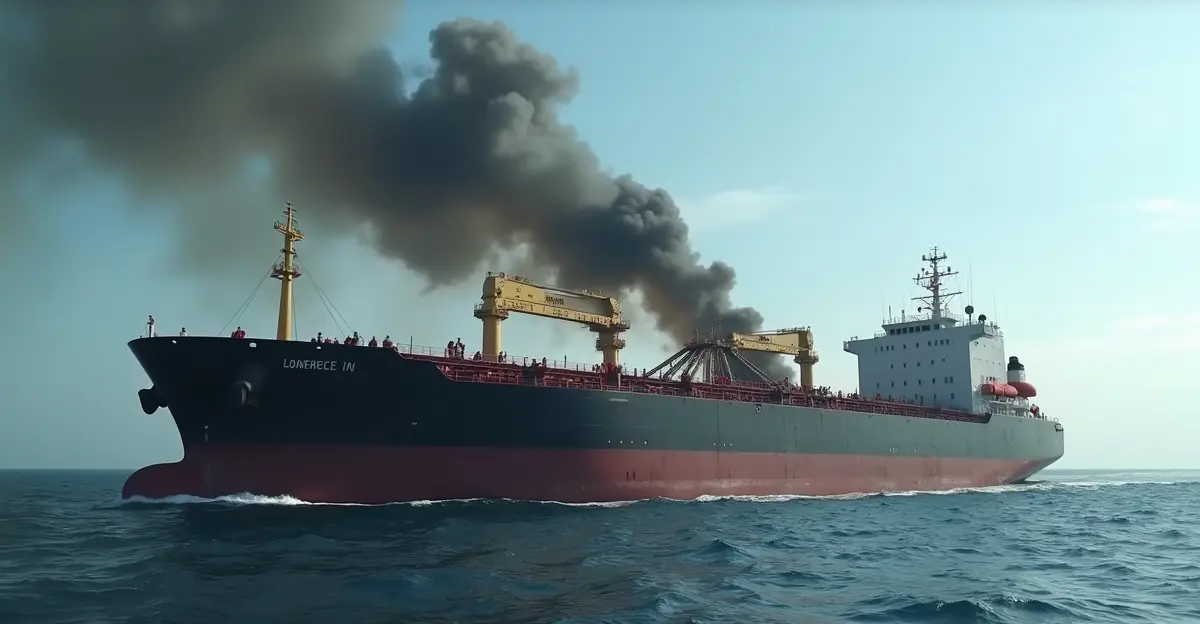
Major US Operation Seizes Sanctioned Oil Tanker
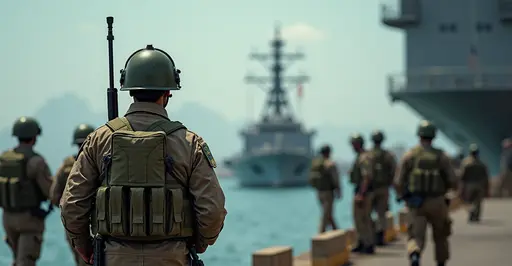
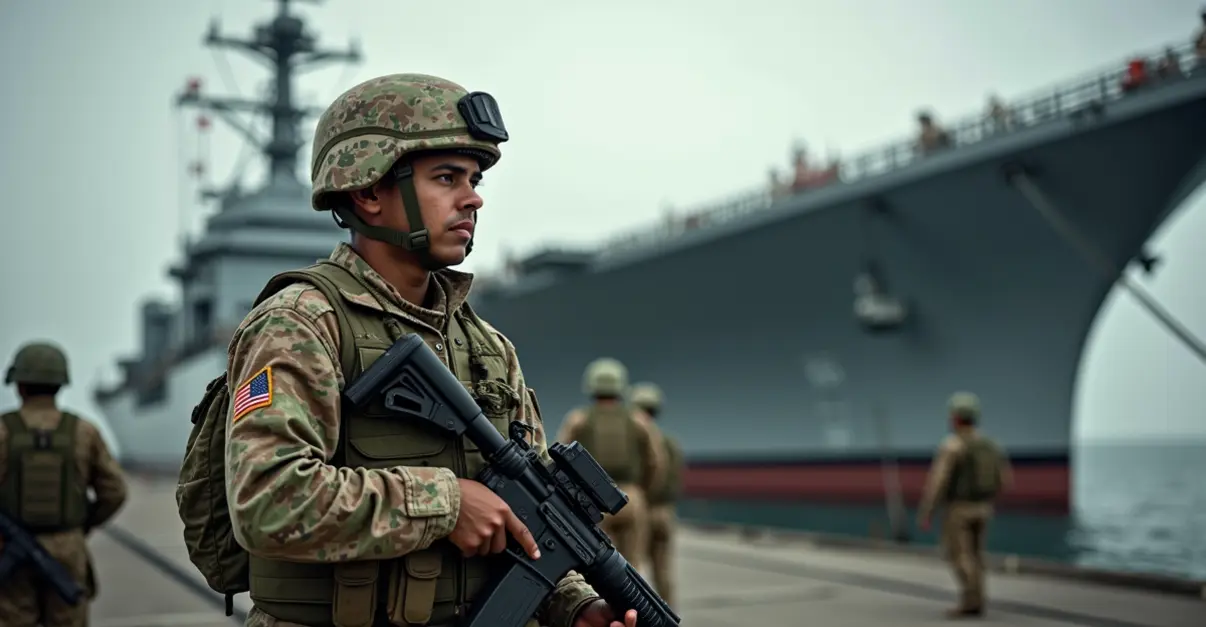
In a dramatic military operation off the coast of Venezuela, United States forces have seized a massive oil tanker that had been under sanctions since 2022 for its alleged ties to Iran's Islamic Revolutionary Guard Corps (IRGC) and the Lebanese militant group Hezbollah. The operation, which took place on December 10, 2025, involved two helicopters, ten Coast Guard personnel, ten Marines, and specialized operators from the USS Gerald R. Ford aircraft carrier.
The 333-meter tanker, named The Skipper, was one of the largest vessels ever seized by US authorities. According to US Attorney General Pam Bondi, who confirmed the operation on social media platform X, the tanker was being used to transport sanctioned oil from Venezuela and Iran, with proceeds allegedly supporting foreign terrorist organizations. 'This seizure prevents the transport of sanctioned oil that supports foreign terrorist organizations,' Bondi stated.
Complex Sanctions History and International Tensions
The vessel has a complex international ownership structure. Originally named The Toyo, the tanker is controlled by Nigeria-based Thomarose Global Ventures LTD and owned by a firm linked to sanctioned Russian oil magnate Viktor Artemov. The US Treasury Department first sanctioned the vessel in 2022 for its alleged role in an oil smuggling network that helped fund the IRGC and Hezbollah.
At the time of seizure, the tanker was flying the Guyanese flag, but Guyana's government quickly clarified that the vessel was not properly registered in their country. 'The ship was falsely flying our flag at the time of seizure,' a Guyanese official confirmed.
Venezuela's government responded with outrage, calling the seizure 'international piracy' and accusing the United States of targeting the country's natural resources. In an official statement, the Venezuelan government claimed: 'With this action, the true reasons for the prolonged aggression against Venezuela have finally been revealed.'
Broader Military Buildup in the Caribbean
The tanker seizure represents just one element of a much larger US military buildup in the Caribbean region. According to military analysts, the United States has concentrated approximately 25% of its global naval fleet off Venezuela's coast, including the world's largest aircraft carrier, USS Gerald R. Ford. This represents Washington's largest military presence in Latin America since the 1989 invasion of Panama.
Since September 2025, US forces have conducted at least 22 known strikes against alleged drug-smuggling vessels in the Caribbean Sea and eastern Pacific, resulting in at least 87 fatalities. President Donald Trump has declared drug cartels as 'unlawful combatants' and asserted the US is in an 'armed conflict' with them.
The military escalation comes amid ongoing tensions between the Trump administration and Venezuelan President Nicolás Maduro, whose 2024 election victory is widely considered illegitimate by Western governments. Trump has made no secret of his desire to see Maduro removed from power, accusing his regime of leading a cartel that smuggles drugs on a large scale to the United States.
Regional Implications and International Response
The seizure has raised concerns across the region, particularly among Caribbean nations located near Venezuela. The Dutch Caribbean islands of Aruba, Curaçao, and Bonaire lie just tens of kilometers from the Venezuelan coast, placing them in close proximity to the escalating tensions.
Independent experts have questioned some of the Trump administration's claims about Venezuela's role in drug trafficking. 'While there are certainly elements of criminal activity in Venezuela, the administration appears to be exaggerating the scale and significance of Venezuela's role in the international drug trade,' noted Latin America security analyst Maria Rodriguez.
The operation also highlights the complex web of international sanctions enforcement. According to a New York Times investigation, The Skipper had a documented history of falsifying its location data, suggesting the vessel was engaged in deceptive tracking practices to conceal its movements and activities.
What Comes Next?
As tensions continue to escalate, regional observers are watching closely for further developments. The US has maintained that its actions are focused on counter-terrorism and narcotics enforcement, while Venezuela and its allies see the military buildup as preparation for potential regime change operations.
The seizure of The Skipper represents a significant test of international sanctions enforcement and demonstrates the Trump administration's willingness to use military assets for what it describes as counter-terrorism operations. With the US maintaining a substantial naval presence in the region and Venezuela vowing to defend its sovereignty, the situation remains volatile and could potentially escalate further in the coming weeks.