


 Deutsch
 English
 Español
 Français
 Nederlands
 Português


 Share
Share




Global Heatwave Prompts Emergency Public Health Responses
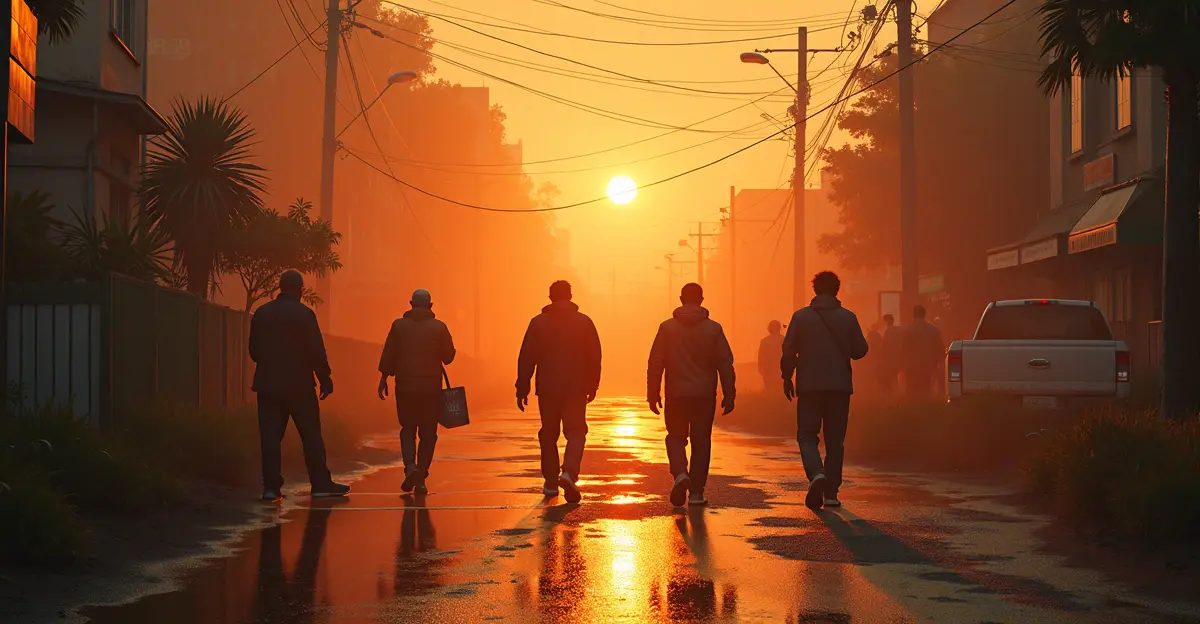
As record-breaking temperatures sweep across continents in 2025, cities worldwide are activating emergency public health measures including cooling centers, water restrictions, and targeted support for vulnerable populations. The extreme heat emergency has prompted coordinated responses from municipal governments, health agencies, and community organizations facing what the World Health Organization calls a 'global health emergency' with heat-related deaths rising 63% since the 1990s to 546,000 annually. This comprehensive analysis examines the three-pronged approach cities are taking to protect public health during unprecedented heatwaves.
What is a Heatwave Emergency Response?
A heatwave emergency response encompasses coordinated public health interventions activated when temperatures reach dangerous thresholds for extended periods. According to the World Health Organization, extreme heat causes more deaths annually than hurricanes, floods, and tornadoes combined, with vulnerable populations facing disproportionate risks. The 2025 heat emergency has seen temperatures exceeding 100°F in regions like the Northeast US for the first time since 2013, affecting over 150 million people and prompting what experts call the most comprehensive public health mobilization in decades.
Cooling Center Activations: Urban Sanctuaries
Municipalities across North America, Europe, and Asia have activated thousands of cooling centers as primary heat mitigation infrastructure. These air-conditioned public spaces—including libraries, community centers, and designated municipal buildings—provide critical relief during daytime heat peaks.
How Cooling Centers Operate
Cooling centers typically activate when heat indexes reach 95°F or higher for three consecutive days, though thresholds vary by region. According to research published in Oxford Open Climate Change, effective cooling centers require:
- Extended operating hours (often 8 AM to 8 PM during heat emergencies)
- Accessibility for mobility-impaired individuals
- Proximity to public transportation routes
- Capacity for hundreds of visitors daily
- Basic amenities including water, seating, and medical monitoring
The public health infrastructure supporting these centers has expanded dramatically in 2025, with cities like New York operating over 500 locations and implementing real-time capacity tracking through mobile apps. 'Cooling centers are no longer optional amenities—they're essential public health infrastructure,' notes a municipal health official from Chicago, where utilization rates have increased 40% compared to 2024.
Water Restrictions: Managing Scarce Resources
Concurrent with cooling center activations, water agencies have implemented unprecedented restrictions to preserve supply during heat-induced drought conditions. California's permanent water restrictions effective January 1, 2025, represent a paradigm shift from temporary drought management to building permanent resilience.
Key Water Conservation Measures
| Measure | Implementation | Impact |
|---|---|---|
| Outdoor watering limits | Twice weekly maximum in Los Angeles | Reduces consumption by 25-30% |
| Agricultural allocation cuts | Up to 85% reductions in Central Valley | Forces fallowing of 500,000+ acres |
| Data center regulations | 30% reduction for facilities using 1M+ gallons annually | Targets tech industry water use |
| Permanent efficiency standards | Water-efficient appliances required in new construction | Long-term structural change |
These measures come as reservoir levels reach critical thresholds, with Lake Oroville at just 23% capacity and threatening hydroelectric power generation. The California water crisis exemplifies broader global challenges, with water agencies pursuing diversified strategies including wastewater recycling, stormwater capture, and watershed restoration.
Vulnerable Group Support: Targeted Interventions
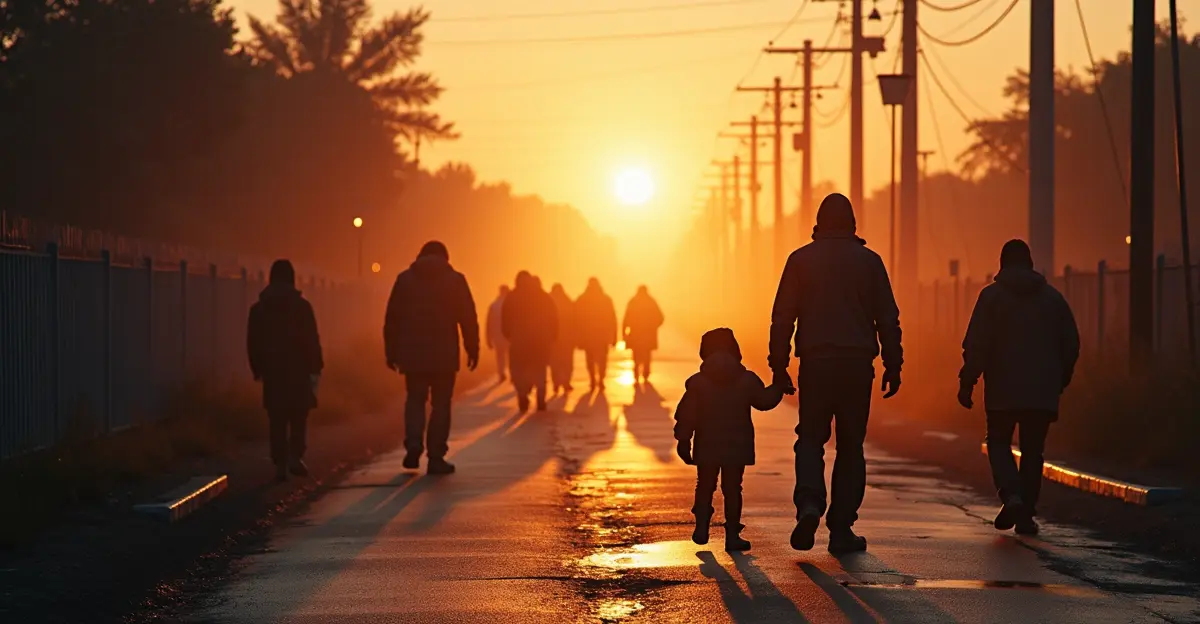
Extreme heat disproportionately affects specific populations, prompting targeted support programs. According to WHO data, vulnerable groups include older adults, pregnant women, children, individuals with chronic illnesses, outdoor workers, and socioeconomically disadvantaged communities—particularly in urban areas with inadequate infrastructure.
Five Key Support Initiatives
- Heat Health Check-ins: Municipal hotlines conducting daily welfare checks on registered vulnerable residents
- Transportation Assistance: Free or subsidized transit to cooling centers for mobility-limited individuals
- Worker Protection Programs: Mandatory rest breaks, shade provisions, and acclimatization protocols for outdoor workers
- Energy Bill Assistance: Subsidies for air conditioning costs during heat emergencies
- Community Outreach: Multilingual education campaigns about heat risks and available resources
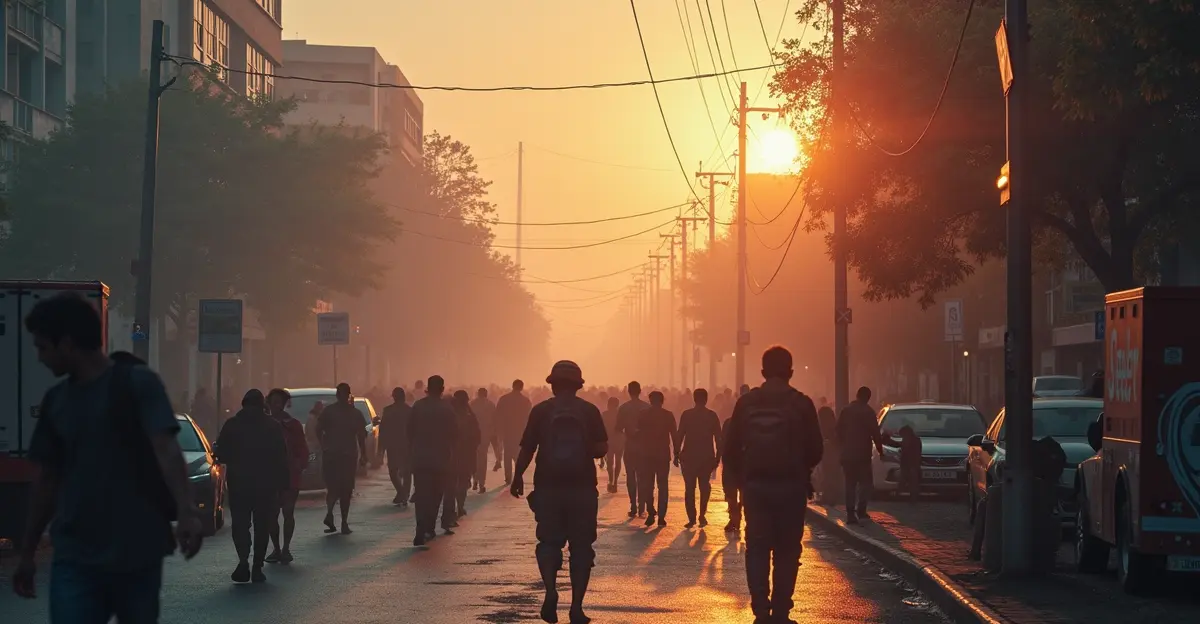
The urban heat island effect exacerbates risks in densely populated areas, where temperatures can be 10-15°F higher than surrounding regions. Cities are responding with 'cool neighborhood' initiatives that combine emergency support with long-term infrastructure improvements like increased tree canopy, reflective surfaces, and green roofs.
Economic and Health Impacts
The 2025 heat emergency carries significant economic and public health consequences. According to the National League of Cities, extreme heat causes $100 billion in annual U.S. losses from agricultural damage, healthcare costs, infrastructure strain, and reduced productivity—with projections reaching $500 billion annually by 2050 without intervention.
Public Health Statistics
- Heat-related deaths: 546,000 annually (63% increase since 1990s)
- Worker productivity reduction: Up to 20% during extreme heat events
- Healthcare costs: $2-4 billion annually in direct damage costs
- Population exposure increase: 41.01% to extreme heat from 2003-2020
- Heatwave exposure increase: 58.43% during same period
These figures underscore the urgency of comprehensive climate adaptation strategies that integrate heat resilience into public health planning. Research shows 84% of heatwave days are attributable to climate change, making mitigation equally critical to adaptation efforts.
Expert Perspectives on Long-term Solutions
Public health experts emphasize that emergency responses must be complemented by structural changes. 'We cannot air condition our way out of this crisis,' states a WHO climate health advisor. 'While cooling centers provide immediate relief, we need fundamental changes to urban design, building standards, and social support systems.'
The Global Heat Health Information Network, led by WMO and WHO, advocates for integrating heat action plans into national health security frameworks. Key recommendations include strengthening public health capacities for surveillance and risk assessment, enhancing risk communication, reinforcing health workforce and infrastructure, and promoting cross-sectoral collaboration with adequate financial and technical resources.
Frequently Asked Questions
What temperature triggers heat emergency responses?
Most cities activate emergency measures when heat indexes reach 95-100°F for three consecutive days, though thresholds vary by region and local acclimatization. Some desert communities have higher activation points, while northern cities may trigger responses at lower temperatures.
How effective are cooling centers at reducing heat-related illness?
Research indicates properly implemented cooling centers can reduce heat-related emergency department visits by 30-40% during extreme heat events. Effectiveness depends on accessibility, operating hours, public awareness, and integration with broader heat response systems.
Who qualifies as 'vulnerable' during heat emergencies?
Vulnerable populations include adults over 65, children under 5, pregnant women, individuals with chronic conditions (heart disease, diabetes, respiratory issues), outdoor workers, homeless individuals, and those without air conditioning or living in urban heat islands.
How long will current water restrictions remain in place?
Many jurisdictions are transitioning from temporary drought measures to permanent efficiency standards. California's 2025 regulations represent this shift, requiring long-term reductions rather than emergency-only conservation.
What can individuals do to protect themselves during heatwaves?
Stay hydrated, limit outdoor activity during peak heat hours, use air conditioning or visit cooling centers, check on vulnerable neighbors, wear lightweight clothing, and never leave children or pets in vehicles. Sign up for local heat alerts and know the symptoms of heat-related illness.
Future Outlook and Preparedness
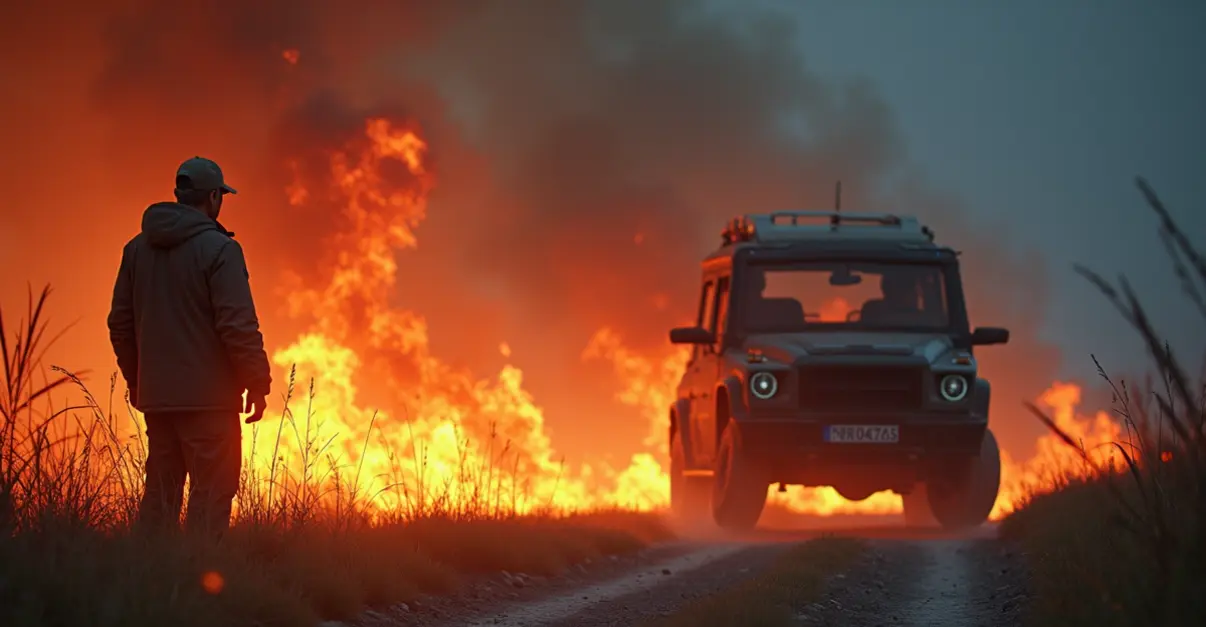
As climate models predict increasing frequency and intensity of heatwaves, public health systems must evolve from reactive emergency responses to proactive resilience building. The 2025 heat emergency has demonstrated both the effectiveness of coordinated interventions and the urgent need for scaled-up investment in heat-resilient infrastructure, early warning systems, and social protection programs.
Cities that integrate heat mitigation into urban planning—through green spaces, reflective surfaces, improved building standards, and equitable access to cooling—will be better positioned to protect public health in coming decades. The current crisis represents both an urgent challenge and an opportunity to build more sustainable, heat-resilient communities worldwide.
Sources
World Health Organization Climate Change and Health Fact Sheet, Bulletin of the World Health Organization 'Extreme heat: a global call to action' (2025), Oxford Open Climate Change research on cooling center effectiveness, National League of Cities municipal action report (2025), EPA Heat Island Adaptation Guidance, California State Water Resources Control Board regulations, Global Heat Health Information Network resources, Applied Geography spatial inequalities study (2025).


Follow Discussion