
 Deutsch
 English
 Español
 Français
 Nederlands
 Português

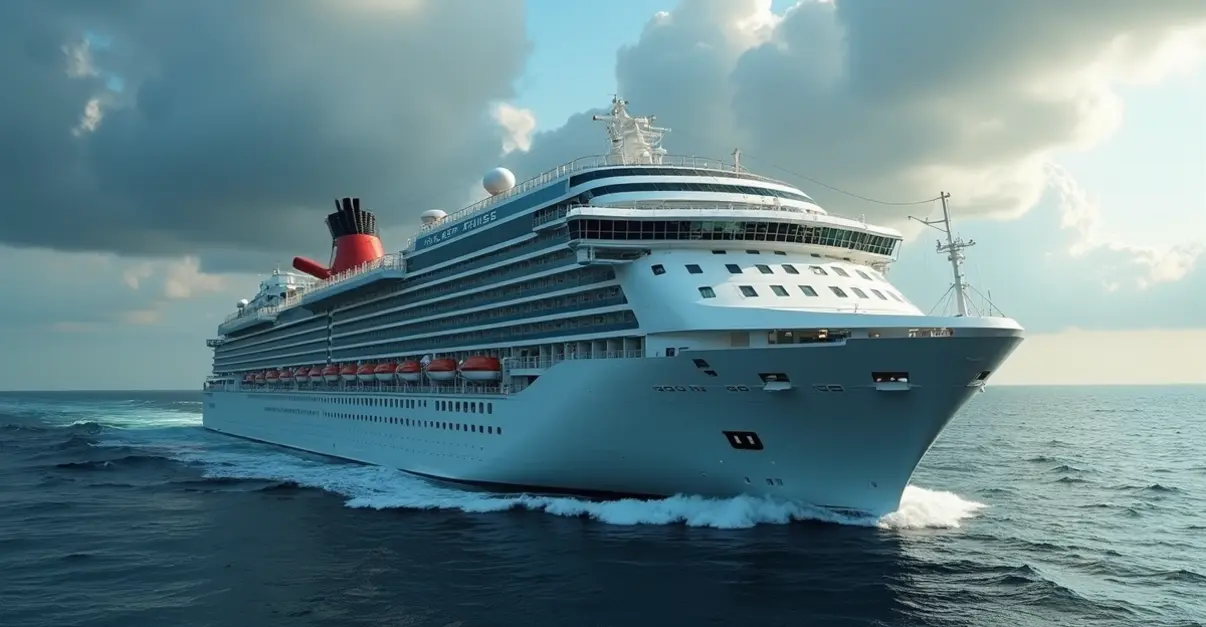





Historic IMO Regulations Force Cruise Industry to Pay for Pollution
In a landmark decision that will reshape the global cruise industry, the International Maritime Organization (IMO) has approved groundbreaking regulations requiring cruise ships and other large vessels to pay for their carbon emissions. The new rules, finalized at the Marine Environment Protection Committee's 83rd session in April 2025, represent the world's first legally binding framework combining mandatory emissions limits with greenhouse gas pricing across an entire industry sector.
The New Regulatory Framework
The regulations will apply to ocean-going ships over 5,000 gross tonnage, covering approximately 85% of shipping's carbon emissions and 97% of the world's shipping fleet. Cruise ships, which have faced increasing scrutiny for their environmental impact, will be particularly affected by these measures. The framework includes two key components: a global fuel standard requiring ships to reduce greenhouse gas fuel intensity over time, and a global economic measure where ships emitting above established thresholds must acquire remedial units.
'This is a watershed moment for maritime environmental policy,' said Dr. Maria Chen, a maritime law expert at the University of London. 'For the first time, we have a comprehensive system that puts a price on shipping emissions while creating financial incentives for cleaner technologies.'
The IMO Net-Zero Framework will be formally adopted in October 2025 and enter into force in 2027. Ships that exceed emissions limits could face fees of up to $380 per tonne of carbon dioxide emitted, with the regulations becoming progressively stricter over time. By 2035, ships will need to cut emissions by 43% compared to baseline levels.
Economic Implications for Cruise Lines and Port Communities
The cruise industry, which has experienced remarkable post-pandemic recovery with 31.7 million passengers in 2023 (7% above 2019 figures), now faces significant compliance costs. According to the 2024 State of the Cruise Industry Report, the sector generated $138 billion globally and supported 1.2 million jobs in 2022. These new regulations could impact ticket prices, route planning, and investment decisions across the industry.
'Port communities that depend on cruise tourism need to prepare for changes,' noted environmental economist James Wilson. 'While cleaner ships will benefit local air quality, there may be short-term economic adjustments as the industry transitions.'
The regulations come as the cruise industry faces increasing pressure from environmental groups. The 2024 Cruise Ship Report Card by Friends of the Earth continues to highlight environmental performance gaps, while research from Earth.org reveals that Europe's 214 cruise ships emitted more sulfur in 2022 than one billion cars combined.
Environmental and Health Benefits
The new regulations aim to address significant environmental and public health concerns associated with cruise ship emissions. A 2021 scientific review found that despite technical advances, cruising remains a major source of air, water, and land pollution affecting fragile habitats and species. Health risks impact both passengers and crew on board, as well as residents near cruise ports and shipyard workers.
The IMO Net-Zero Fund, which will collect pricing contributions from emissions, is expected to raise approximately $10 billion annually. These funds will reward low-emission ships, support developing countries in their maritime transitions, and finance innovation and capacity building for cleaner shipping technologies.
Industry Response and Future Outlook
Cruise lines have been preparing for increased regulation, with 56 new ships planned through 2028 according to industry reports. Many are investing in alternative fuels, shore power connections, and advanced emission control systems. The CLIA Europe's sustainability roadmap outlines the industry's commitment to net-zero emissions by 2050.
'The transition won't be easy, but it's necessary for the long-term viability of our industry,' commented cruise industry executive Sarah Johnson. 'We're seeing unprecedented investment in LNG-powered ships, battery technology, and even exploring hydrogen and ammonia as future fuels.'
Notably, the United States withdrew from the IMO negotiations, and some countries expressed dissatisfaction with the final agreement. Participating UN countries must adopt the agreement into national laws by 2028, creating potential regulatory fragmentation.
As the cruise industry navigates these new waters, passengers can expect to see changes in itineraries, onboard technologies, and potentially higher fares as companies pass on compliance costs. However, environmental advocates argue that the true cost of pollution has been externalized for too long, and these regulations represent a crucial step toward sustainable maritime tourism.

Follow Discussion