
 Deutsch
 English
 Español
 Français
 Nederlands
 Português

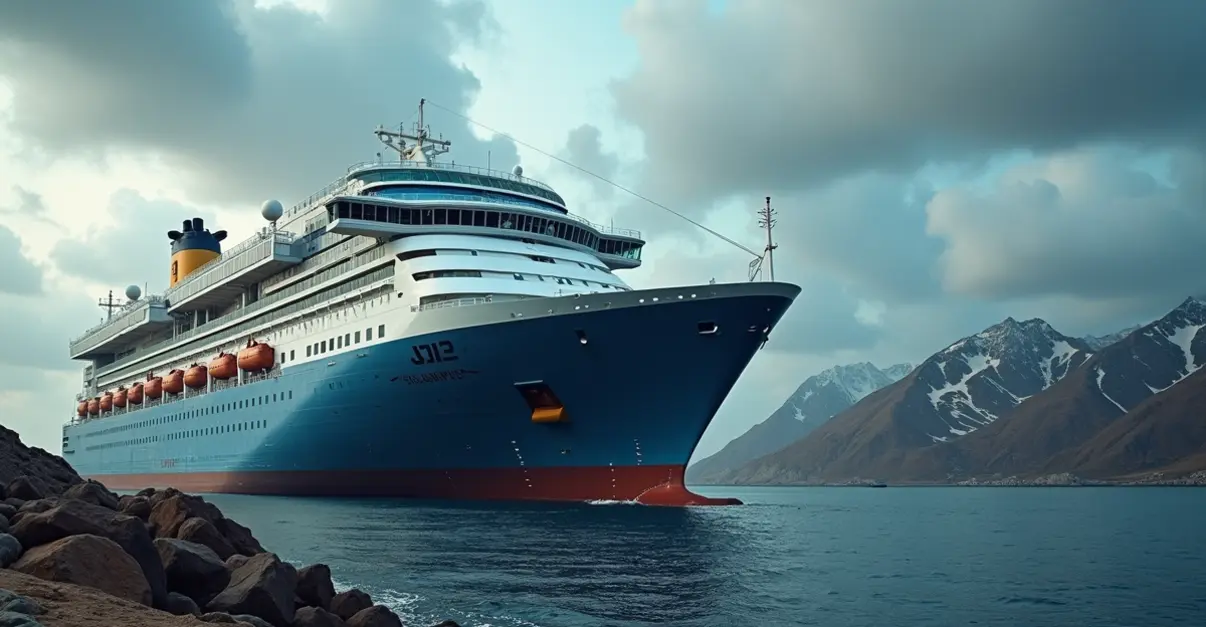





Global Shipping Industry Faces Major Environmental Overhaul
In a landmark decision that will reshape the cruise industry, international regulators have announced sweeping new emission standards for cruise ships, mandating cleaner fuel adoption, stricter scrubber regulations, and significant port fee implications. The International Maritime Organization (IMO) approved the groundbreaking Net-Zero Framework during its 83rd Marine Environment Protection Committee session in April 2025, creating the world's first mandatory emissions limits combined with greenhouse gas pricing across an entire industry sector.
Cleaner Fuel Mandates and Scrubber Controversy
The new regulations target large ocean-going ships over 5,000 gross tonnage, which account for 85% of international shipping emissions. Cruise ships will be required to reduce greenhouse gas fuel intensity over time, with specific targets including a 43% reduction by 2035. 'This represents the most significant environmental regulation in maritime history,' said an IMO spokesperson. 'We're moving from voluntary measures to mandatory compliance that will fundamentally change how ships operate.'
The scrubber debate has intensified as environmental advocates highlight the technology's shortcomings. While scrubbers remove sulfur and toxic pollutants from ship exhaust, they dump contaminated wastewater into oceans. According to recent studies, a single medium-sized cruise ship can discharge over 25,000 tons of toxic wastewater daily into sensitive marine environments like Alaska's waters. 'Scrubbers simply transfer air pollution to water pollution,' noted marine biologist Dr. Sarah Chen. 'The wastewater contains heavy metals, polycyclic aromatic hydrocarbons, and other pollutants that persist in marine environments and accumulate in seafood.'
Port Fee Implications and Economic Impact
The new standards come with significant financial implications for cruise operators and passengers. The IMO framework includes a global economic measure where ships emitting above thresholds must acquire remedial units, with fees potentially reaching $380 per tonne of carbon dioxide emitted. Additionally, ports worldwide are implementing new environmental charges. France has voted to introduce a €15 per passenger per night tax at French ports, while the U.S. Virgin Islands is increasing wharfage fees by $0.44 and ship dues by $3.00 starting April 2025.
'These fees reflect the true environmental cost of cruising,' explained environmental economist Mark Thompson. 'For too long, the industry has externalized pollution costs onto coastal communities and marine ecosystems. Now they're being internalized.' The IMO Net-Zero Fund is expected to raise approximately $10 billion annually to reward low-emission ships and support developing countries' transition efforts.
Industry Response and Implementation Timeline
Cruise industry representatives have expressed mixed reactions to the new standards. While acknowledging the need for environmental progress, some voice concerns about implementation costs and competitive disadvantages. 'We support the transition to cleaner fuels, but the timeline and costs present significant challenges,' said Cruise Lines International Association representative James Wilson. 'Many operators have already invested billions in scrubber technology, and now face additional costs for cleaner fuel adoption.'
The regulations will be formally adopted in October 2025 and enter into force in 2027, giving operators a two-year transition period. However, some regions are moving faster: Alaska's Department of Environmental Conservation has documented over 700 water quality violations from cruise ships in 2023-2024 alone, prompting calls for immediate action. Several Southeast tribes have passed resolutions calling for cleaner fuel adoption, while environmental groups advocate for a national ban on scrubber discharge.
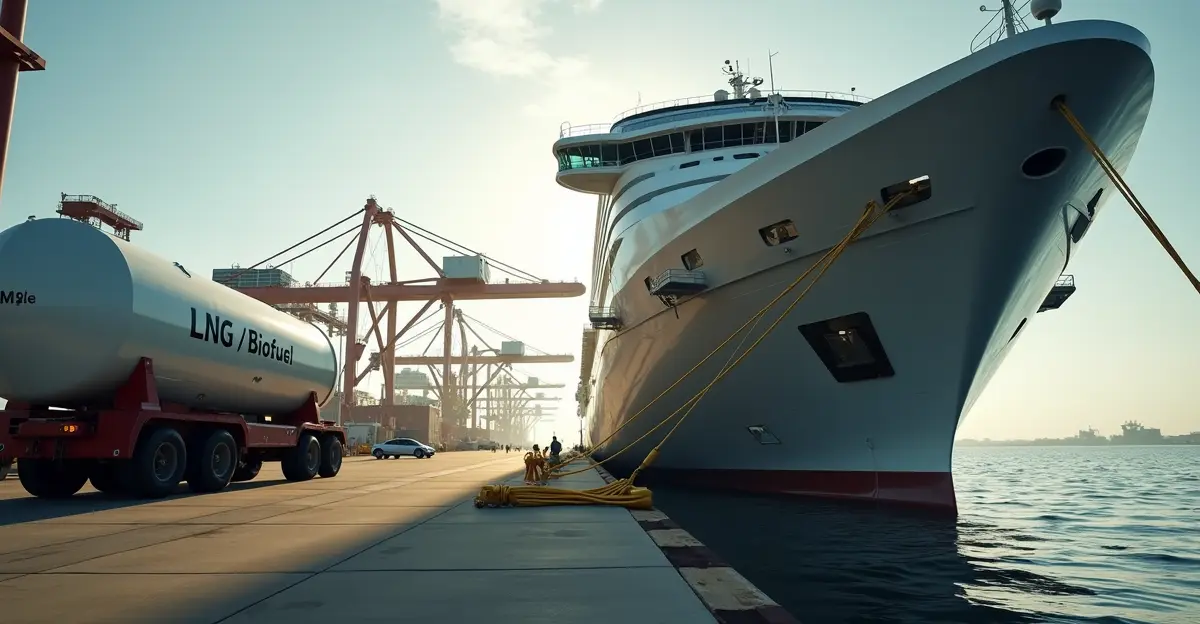
The shift toward alternative fuels is already underway, with green methanol emerging as a promising option. Major cruise lines are exploring hybrid systems and shore power connections to reduce emissions while in port. However, the scale of transformation required is substantial, as maritime transport currently accounts for more than 18% of nitrogen oxides pollution and 3% of greenhouse gas emissions globally, according to Wikipedia data.
As the 2027 implementation deadline approaches, cruise operators face critical decisions about fleet upgrades, fuel procurement, and route optimization. Passengers can expect higher fares as environmental costs are passed through, but advocates argue this represents a necessary correction to decades of under-priced environmental damage. The success of these regulations will depend on consistent enforcement, technological innovation, and industry cooperation across global shipping routes.

Follow Discussion