
 Deutsch
 English
 Español
 Français
 Nederlands
 Português






Mediterranean Becomes Emission Control Area as Cruise Industry Adapts
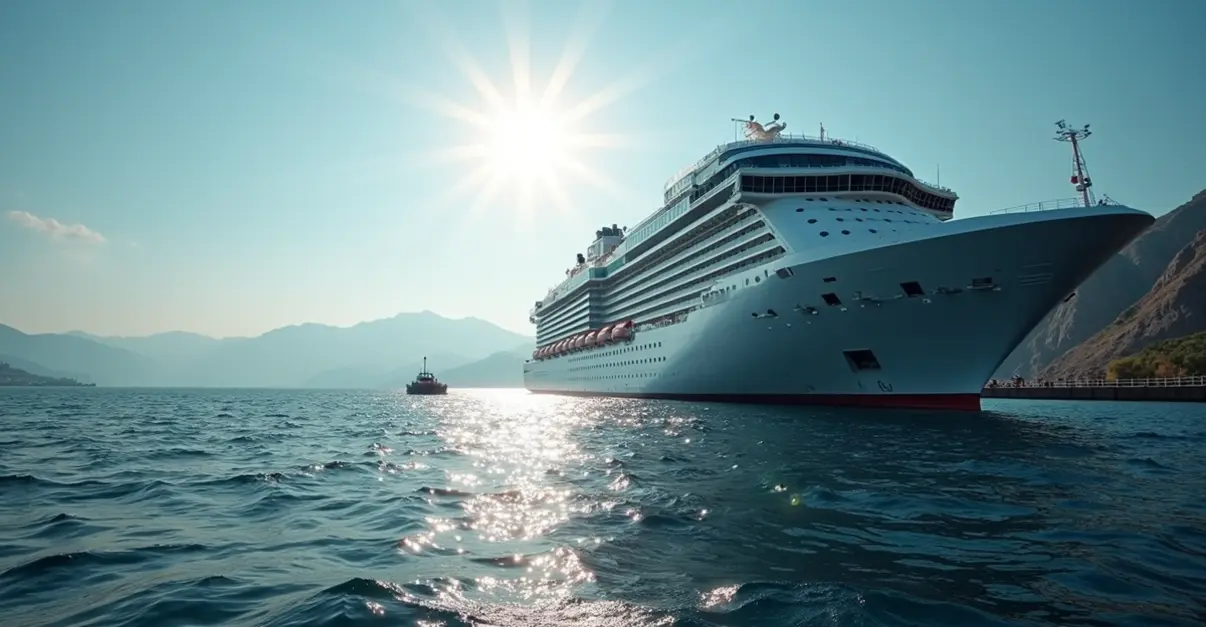
The global cruise industry is navigating a sea change in environmental regulations as new emission control measures take effect in 2025. The most significant development is the designation of the Mediterranean Sea as a Sulphur Emission Control Area (SECA) under MARPOL Annex VI, which began on May 1, 2025. This regulation limits sulphur content in fuel oil for ships operating in the Mediterranean to just 0.1%, significantly stricter than the global standard of 0.5%.
What the New Regulations Mean
The International Maritime Organization (IMO) has implemented what experts are calling the most comprehensive environmental regulations in maritime history. According to the IMO's official announcement, the Mediterranean is now the world's fifth designated Emission Control Area, joining the Baltic Sea, North Sea, North American area, and US Caribbean Sea. The Mediterranean supports 20% of global seaborne trade, with over 17% of world cruises navigating its waters.
'This represents a fundamental shift in how cruise ships operate in one of the world's most popular tourist destinations,' says maritime environmental analyst Dr. Elena Rodriguez. 'The health benefits alone are projected to be substantial, with reduced rates of lung cancer, cardiovascular disease, and childhood asthma in coastal communities.'
Cruise Industry Response and Challenges
Cruise operators face unique challenges compared to cargo vessels. Their extended port stays require constant compliance, and their high public visibility demands sustainable practices. According to industry analysis from Ship Technology, cruise companies must choose between using compliant low-sulphur fuel or installing expensive exhaust gas cleaning systems known as 'scrubbers.'
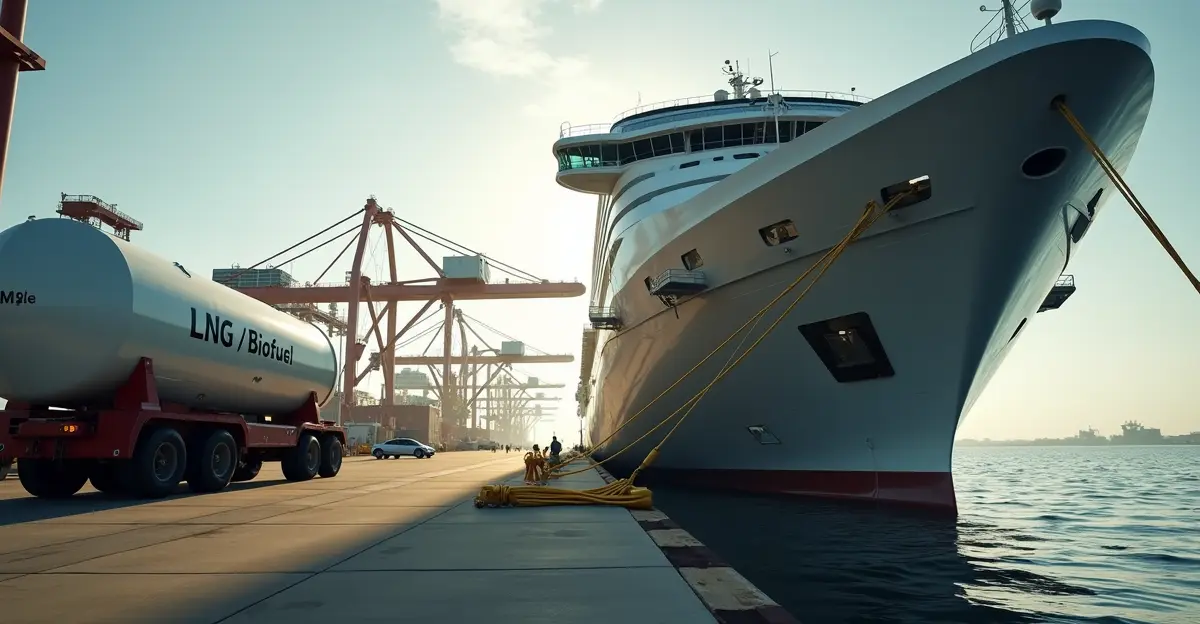
Carnival Corporation, the world's largest cruise operator, exemplifies industry adaptation. The company has invested in LNG-powered ships, selective catalytic reduction systems, biofuel testing, and methanol conversion projects. 'We've been preparing for these regulations for years,' says Carnival's Chief Sustainability Officer, Michael Thamm. 'Our fleet modernization program includes 11 LNG-powered vessels, and we're actively testing biofuels and exploring methanol as future fuel options.'
Additional Regulatory Pressures
The Mediterranean SECA isn't the only regulatory change affecting cruise ships in 2025. The EU Emissions Trading System (EU ETS) for maritime transport is being phased in, requiring cruise companies to cover 70% of their emissions in 2025 and 100% from 2026 onward. According to WeOnCruise analysis, this will likely lead to fare increases on EU-intensive itineraries, possibly through environmental surcharges or higher base fares.
Furthermore, the Hong Kong Convention on Ship Recycling enters force on June 26, 2025, requiring ships over 500 gross tonnage to carry Inventory of Hazardous Materials certificates. Revised MARPOL Annex VI amendments also tighten documentation requirements for low-flashpoint fuels like methanol and LNG.
Environmental Impact and Industry Footprint
The timing of these regulations is critical given the cruise industry's environmental footprint. According to the Environment+Energy Leader, Carnival Corporation alone emitted more carbon pollution in 2023 (2.5 million tonnes) than Glasgow, Scotland's largest city. Cruise ships emit up to four times more carbon dioxide per passenger per mile than airplanes, making them one of the most polluting forms of transportation.
'The environmental impact of shipping includes air pollution, water pollution, acoustic pollution, and oil pollution,' notes marine environmental scientist Dr. James Wilson. 'Ships are responsible for more than 18% of nitrogen oxides pollution and 3% of greenhouse gas emissions globally.'
Market Implications and Future Outlook
The regulatory changes are creating both challenges and opportunities for the cruise industry. Compliance costs are expected to increase significantly, with some estimates suggesting fuel costs could rise by 20-30% for Mediterranean itineraries. However, these regulations are also driving innovation in sustainable shipping technologies.
Royal Caribbean International has announced additional emission reduction targets for 2025, while Norwegian Cruise Line is investing in shore power connectivity and advanced wastewater treatment systems. The industry is also working closely with ports to develop infrastructure for sustainable fuels.
'We're at a turning point for sustainable tourism,' says tourism policy expert Maria Santos. 'These regulations will fundamentally change how cruise ships operate and could reshape the entire industry's approach to environmental responsibility.'
As the cruise industry sails into this new regulatory environment, companies that successfully adapt to these changes may gain competitive advantages through improved environmental credentials and operational efficiencies. The coming years will test the industry's commitment to sustainability and its ability to balance environmental responsibility with commercial viability.

Follow Discussion