


 Deutsch
 English
 Español
 Français
 Nederlands
 Português


 Share
Share




Hydrogen Hub Partnership Secures Offtakers: A Breakthrough for Electrolyser Capacity Financing and Industrial Decarbonization
In a significant development for the clean energy transition, a major hydrogen hub partnership has successfully secured multiple offtakers for its electrolyser capacity, marking a crucial step forward in financing large-scale hydrogen projects and advancing industrial decarbonization plans. This breakthrough comes at a critical time when the green hydrogen market faces substantial financial challenges, with electrolyzer costs exceeding $1,000 per kilowatt and project developers struggling to bridge the gap between short-term industrial contracts and long-term financing needs.
What is a Hydrogen Hub Partnership?
A hydrogen hub partnership represents a collaborative framework where multiple stakeholders—including energy companies, industrial users, technology providers, and financial institutions—come together to develop integrated hydrogen production, distribution, and consumption ecosystems. These partnerships are essential for scaling up hydrogen infrastructure and creating viable markets for clean hydrogen. The recent success in securing offtakers addresses one of the most significant barriers to hydrogen project financing: establishing reliable demand for hydrogen production before committing to massive capital investments in electrolyser capacity.
The Financing Challenge: Bridging Critical Gaps
According to recent analysis from RMI's hydrogen finance roadshow, five major gaps have been slowing clean hydrogen project financing:
- Performance Data Gap: Projects scaling from kilowatts to gigawatts lack intermediate performance data
- Offtake Expectations Mismatch: Short-term industrial contracts versus long-term financing needs
- Return Expectations: Unrealistic expectations for first-wave decarbonization projects
- Risk Management Solutions: Insufficient tools for emerging climate infrastructure
- First-Mover Investors: Limited despite public commitments
The successful securing of offtakers directly addresses the second gap, creating a more stable foundation for project financing. This development is particularly significant given that current green hydrogen production costs range from $2.5-6/kg rather than the previously projected $0.5-2/kg, making reliable offtake agreements essential for financial viability.
Industrial Decarbonization Plans: The Driving Force
Steel, Fertilizers, and Heavy Industry
The partnership's success reflects growing momentum in industrial decarbonization, particularly in sectors like steel production, fertilizer manufacturing, and heavy industry. These industries represent some of the most challenging-to-decarbonize sectors, where hydrogen offers a promising pathway to reduce emissions while maintaining industrial competitiveness. The EU Clean Industrial Deal framework has emphasized clean hydrogen as a cornerstone of Europe's industrial revamp, offering both decarbonization pathways and economic growth opportunities through scaling up hydrogen production and derivatives.
Electrolyser Technology Advancements
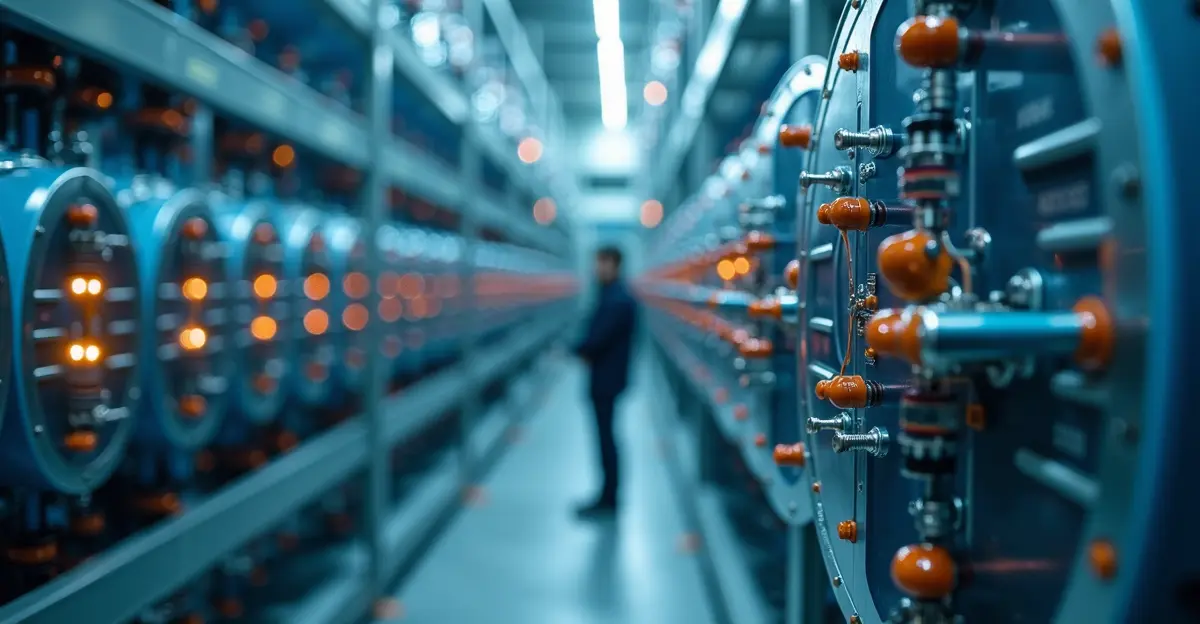
Recent technological breakthroughs are making electrolysis more viable for industrial-scale applications. A groundbreaking review in Nature Reviews Clean Technology presents the first comprehensive pathway for scaling up decoupled water electrolysis (DWE) technologies to industrial-scale green hydrogen production. Unlike conventional electrolysis that requires membranes and suffers from hydrogen leakage, DWE separates hydrogen and oxygen production in time or space using redox materials that function like an electrolyzer with a built-in battery. This innovation allows DWE to buffer energy fluctuations from renewable sources like solar and wind, making it highly compatible with intermittent power generation.
Market Context: European Commission Initiatives
The partnership's success aligns with broader market developments, including the European Commission's recent invitation for European offtakers to express supply interest under the Hydrogen Mechanism until March 20, 2026. This initiative connects buyers with suppliers of renewable and low-carbon hydrogen and derivatives through the EU Energy and Raw Materials Platform. However, challenges remain, as Germany's electrolysis capacity rollout is lagging significantly behind targets, with only 181 MW currently installed and 1.3 GW under construction, putting the country off track to meet its 10 GW goal by 2030.
Financial Implications and Investment Landscape
The securing of offtakers represents a critical milestone for hydrogen project financing, potentially unlocking billions in investment. The EU has approved a €200 million German plan to support hydrogen production in Canada, targeting up to 300 MW of electrolysis capacity through competitive bidding by 2027. Meanwhile, French company Lhyfe plans a 70% increase in renewable hydrogen production capacity in 2026, signaling growing confidence in market development.
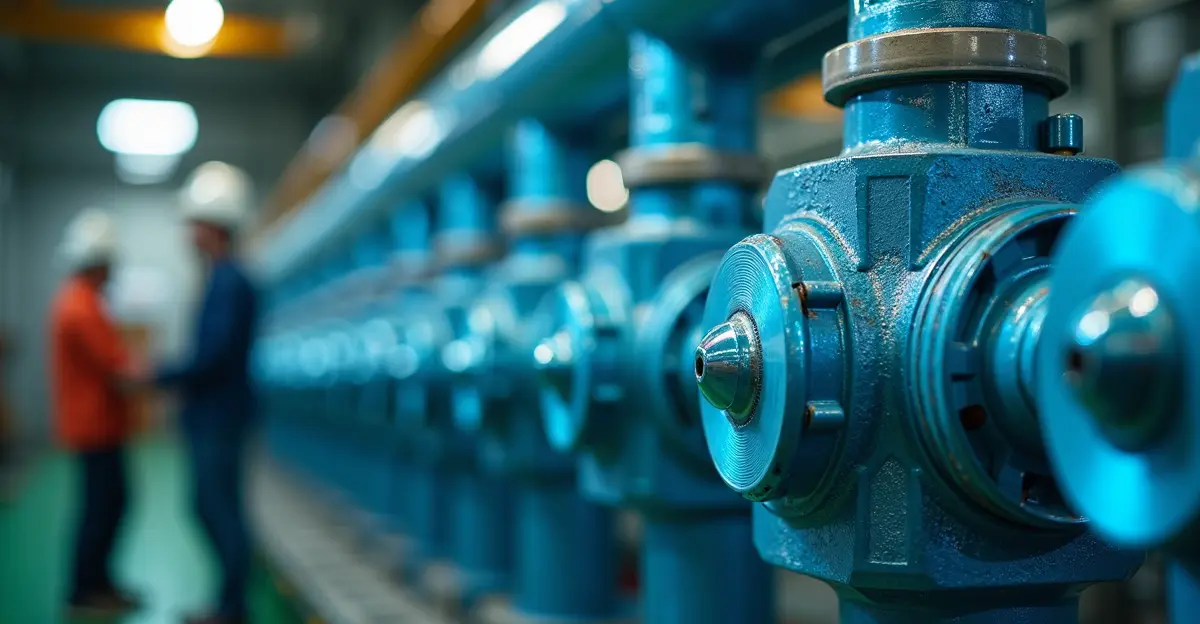
However, significant financial challenges persist. Electrolyzer costs have surged above $1,000 per kilowatt, with total installed costs for electrolyzer systems now ranging from $1,000 to $2,250/kW. This far exceeds the sub-$500/kW threshold needed for competitive hydrogen production and threatens the U.S. Department of Energy's Hydrogen Shot goal of $1/kg hydrogen within ten years.
Expert Perspectives on Market Development
Industry experts emphasize the importance of such partnerships in accelerating hydrogen market development. 'The successful securing of offtakers represents a paradigm shift in hydrogen project financing,' notes a senior analyst from the Electrolyser Partnership, which launched in 2022 under the European Clean Hydrogen Alliance. 'By addressing the critical demand-side uncertainty, these agreements provide the foundation needed to attract the substantial capital investments required for gigawatt-scale electrolyser deployment.'
The partnership's approach aligns with recommendations from the Electrolyser Partnership's recent paper calling for stronger hydrogen focus in the EU's Clean Industrial Deal framework. The partnership emphasizes that significant barriers remain, including regulatory ambiguity, delays in national implementation of targets, high electricity prices, slow hydrogen infrastructure development, and uneven international competition.
Future Outlook and Scaling Potential
Experts predict that once green hydrogen becomes available at scale, the market could reach $550 billion within ten years, potentially replacing significant portions of energy used in industry and heavy transportation. The partnership's success in securing offtakers provides a replicable model for other hydrogen hubs globally, potentially accelerating the deployment of the 60+ clean hydrogen projects needed by 2030 to meet industrial decarbonization goals.
The development also comes as major automotive companies like Honda announced they will discontinue current fuel cell system production by end of 2026 to focus on next-generation technology, highlighting the dynamic nature of the hydrogen ecosystem and the importance of establishing reliable supply chains for emerging applications.
Frequently Asked Questions (FAQ)
What is an offtaker in hydrogen projects?
An offtaker is a company or entity that commits to purchasing hydrogen produced by a project, providing guaranteed demand that helps secure project financing.
Why are offtaker agreements critical for hydrogen financing?
Offtaker agreements reduce demand uncertainty, making projects more attractive to investors and lenders by ensuring a market for the hydrogen produced.
What industries are driving hydrogen demand?
Steel production, fertilizer manufacturing, refining, and heavy transportation are among the key industries driving demand for clean hydrogen as part of decarbonization efforts.
How does electrolyser technology work?
Electrolysis uses electricity to split water into hydrogen and oxygen, with different technologies including PEM, alkaline, and solid oxide electrolyzers operating at various temperatures and efficiencies.
What are the main barriers to hydrogen project development?
Key barriers include high electrolyzer costs, uncertain regulatory frameworks, infrastructure gaps, electricity price volatility, and challenges in securing long-term financing.
Conclusion: A Turning Point for Clean Hydrogen
The successful securing of offtakers by this hydrogen hub partnership represents a significant milestone in the development of the clean hydrogen economy. By addressing one of the most critical barriers to project financing—demand uncertainty—this development paves the way for accelerated deployment of electrolyser capacity and progress toward industrial decarbonization goals. As the global energy transition accelerates, such partnerships will play an increasingly vital role in bridging the gap between ambitious climate targets and practical implementation pathways.


Follow Discussion