


 Deutsch
 English
 Español
 Français
 Nederlands
 Português


 Share
Share




Eurostar Services Resume After Major Channel Tunnel Disruption
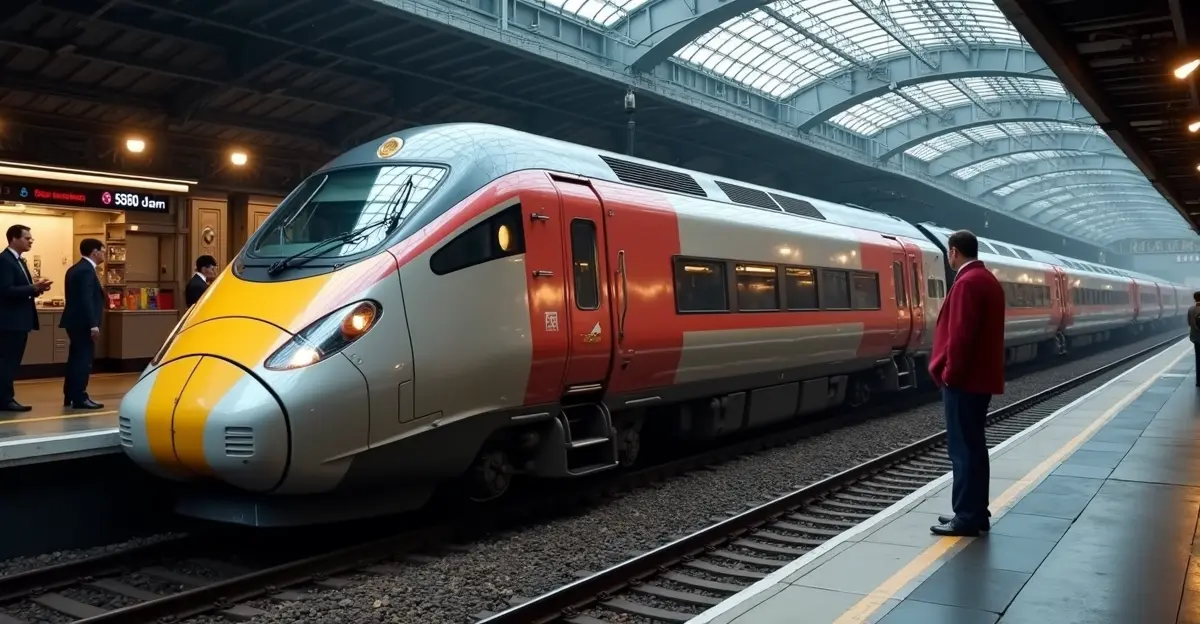
Eurostar has resumed international train services to and from London following a major power outage in the Channel Tunnel that caused widespread travel chaos during one of the busiest holiday periods of the year. While trains are now running again, significant delays continue to affect passengers, with some services experiencing up to an hour of delay and last-minute cancellations still possible.
The Technical Breakdown
The disruption began on December 30, 2025, when serious problems with the overhead power supply in the Channel Tunnel forced Eurostar to cancel all services between London and mainland Europe. The 31-mile underwater tunnel, which serves as the critical link between the United Kingdom and continental Europe, experienced what Eurostar described as 'severe technical issues' with its electrical infrastructure.
According to BBC reports, the power outage was compounded by a broken-down LeShuttle train, which blocked one of the tunnel's two lines. This double failure created a perfect storm of disruption during what is typically one of the busiest travel periods of the year, with many passengers using the service to visit family and friends during the holiday season.
Passenger Stranding and Frustration
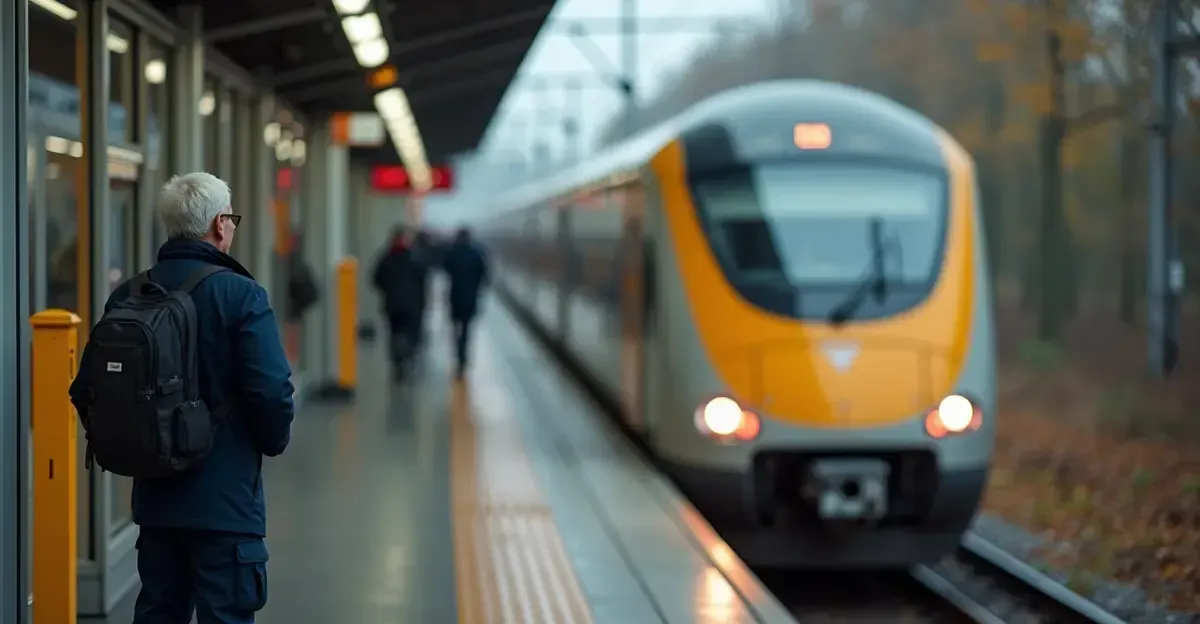
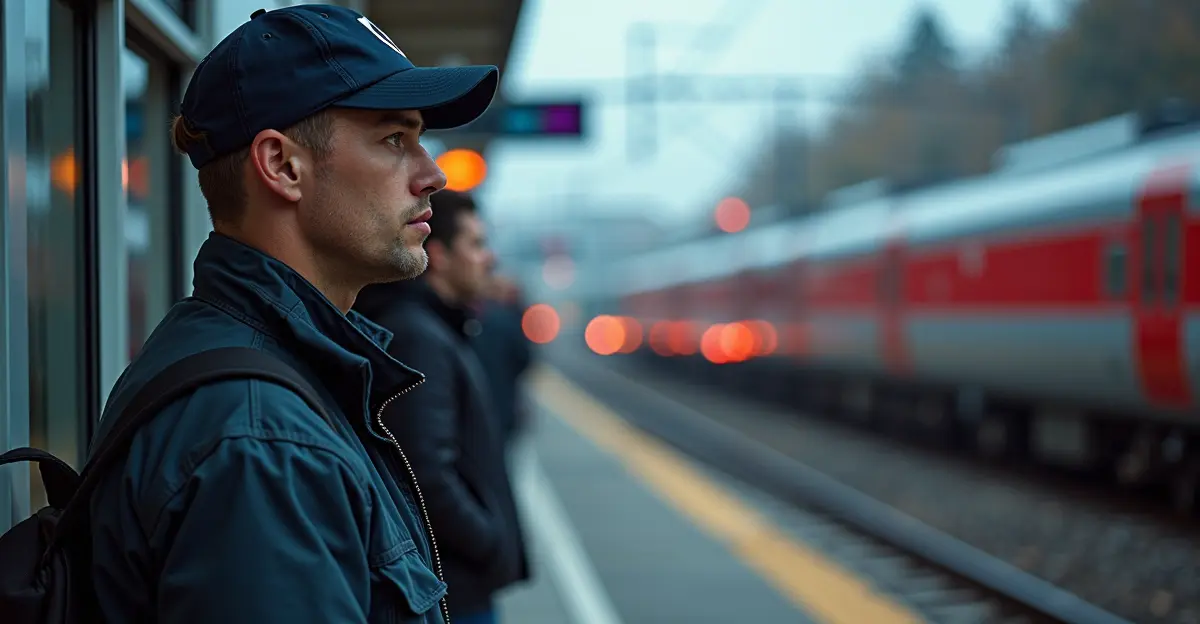
The outage left thousands of passengers stranded at major stations including London's St. Pancras International, Paris Gare du Nord, Amsterdam Centraal, Rotterdam Centraal, and Brussels-Midi. The BBC described it as a 'miserable day for at least 25,000 passengers', many of whom had planned to celebrate New Year's Eve with loved ones.
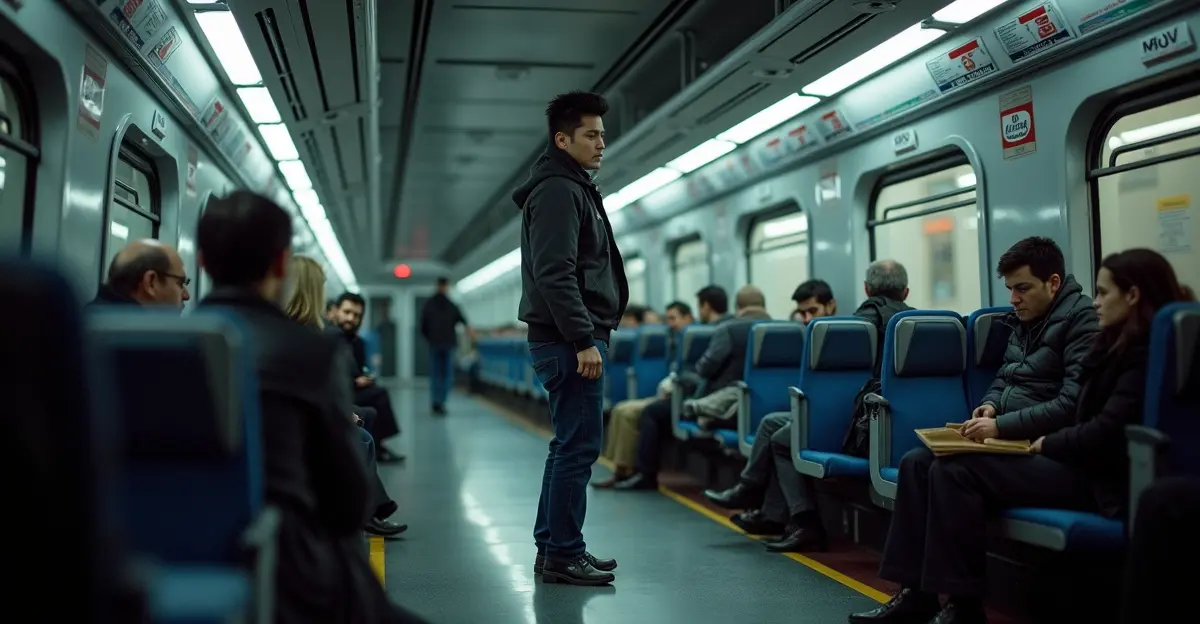
One affected passenger, Dennis van der Steen, shared his experience with the BBC: 'We hoped to be home on New Year's Eve to celebrate with family and friends. The train is dark, passengers are sleeping and waiting, and they are also very worried.' His train from London to Amsterdam departed at 8:49 PM but stopped before reaching the tunnel at Dover, waited for six hours, and then returned to London.
Another passenger, stranded at St. Pancras, told reporters: 'This is supposed to be a celebration time, but instead we're stuck here with no information about when we'll get moving. It's incredibly frustrating.'
Gradual Recovery and Ongoing Issues
Eurostar began gradually restoring services around 5:00 PM on December 30, partially reopening the Channel Tunnel. However, recovery has been slow and uneven. The first trains from Amsterdam to London this morning experienced delays of approximately one hour, and the company warns that last-minute cancellations remain possible.
CNBC reported that the disruption affected both Eurostar passenger services and LeShuttle vehicle transport services, which were suspended for up to three hours. The incident occurred during what Eurostar described as its 'most successful year' in 2024, having carried 19.5 million passengers.
Compensation and Customer Service
Eurostar has announced that affected passengers can rebook their tickets for another date free of charge. Additionally, passengers may claim compensation for the delays experienced. The company stated: 'We sincerely apologize to all customers affected by this disruption. Our teams are working around the clock to restore normal service as quickly as possible.'
According to European Union regulations, passengers experiencing delays of more than one hour are entitled to compensation ranging from 25% to 50% of their ticket price, depending on the length of delay. Eurostar has set up dedicated customer service channels to handle the influx of claims and rebooking requests.
Infrastructure Vulnerabilities Exposed
The incident has highlighted the vulnerability of the Channel Tunnel infrastructure, which serves as a critical transportation artery between the UK and mainland Europe. The tunnel, which opened in 1994, has generally maintained a strong safety and reliability record, but this incident demonstrates how a single point of failure can disrupt travel for tens of thousands of people.
Transport analyst Maria Rodriguez commented: 'The Channel Tunnel is one of the engineering marvels of the 20th century, but like any complex infrastructure, it's vulnerable to technical failures. This incident shows the need for continued investment in maintenance and backup systems, especially as passenger numbers continue to grow.'
Eurostar, which merged with Thalys in recent years to form the Eurostar Group, has been expanding its services, including increasing frequency on the Amsterdam-London route to four times daily starting in September 2025. The company aims to double passenger numbers by 2030, making infrastructure reliability increasingly important.
Looking Forward
As services gradually return to normal, Eurostar advises passengers to check their website and social media channels for the latest updates before traveling. The company expects full service restoration in the coming days but warns that residual delays may continue through the New Year period.
For stranded passengers, the experience serves as a reminder of the fragility of international travel infrastructure during peak periods. As one passenger put it: 'You plan everything perfectly for the holidays, and then something like this happens. It makes you appreciate how much we rely on these systems working flawlessly.'
Follow Discussion