


 Deutsch
 English
 Español
 Français
 Nederlands
 Português


 Share
Share




Cardinal Caught With Phone During Pope Leo XIV Conclave: Major Vatican Security Breach Revealed
In a stunning revelation that has rocked the Catholic Church, a cardinal was caught with a mobile phone during the highly secretive 2025 conclave that elected Pope Leo XIV, marking one of the most significant security breaches in modern papal election history. The unprecedented incident, detailed in the new book 'The Election of Pope Leo XIV' by Vatican correspondents Gerard O'Connell and Elisabetta Piqué, occurred just before the first vote in the Sistine Chapel on May 7, 2025, despite the Vatican's sophisticated signal-jamming equipment and strict protocols prohibiting all electronic devices.
What Happened During the Conclave Security Breach?
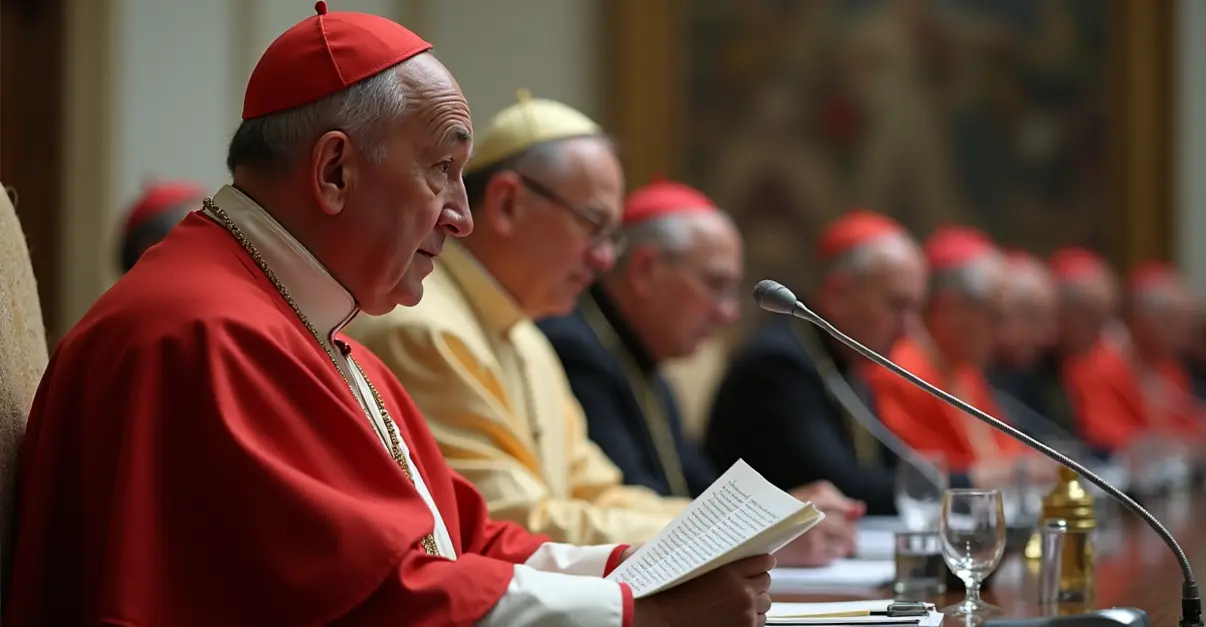
According to the book released yesterday, Vatican security officials detected an active mobile phone signal inside the Sistine Chapel moments before the 133 cardinal electors were to begin voting for the successor to Pope Francis. The discovery triggered immediate alarm bells as the Vatican had implemented comprehensive signal-blocking measures throughout Vatican City starting at 3:00 PM on May 7, 2025, to ensure complete secrecy during the papal election.
The authors describe the scene as "unimaginable even for a film and never before seen in the history of modern conclaves." The unidentified cardinal was reportedly "disoriented and distressed" when confronted about the device, which he had apparently forgotten in his pocket. "He was just as surprised as everyone else," the book states, noting that the cardinal had no malicious intent but simply made an extraordinary oversight.
How Conclave Security Protocols Work
Papal conclaves operate under some of the world's strictest security protocols, designed to maintain absolute secrecy about the election process. Key security measures include:
- Complete electronic isolation with signal jamming equipment throughout the Sistine Chapel
- Mandatory surrender of all communication devices before entering
- Oath of secrecy sworn by all participants, from cardinals to kitchen staff
- Physical isolation from the outside world during the entire voting process
- Traditional methods like burning ballots to prevent any paper trail
The breach occurred despite these extensive precautions, raising serious questions about the effectiveness of Vatican security protocols in the digital age.
The 2025 Conclave: Historic Election Amid Security Scandal
The May 2025 conclave was already historic as the largest in Church history, with 133 cardinal electors from over 70 countries gathering to elect the successor to Pope Francis. The security breach added unexpected drama to an election that would ultimately produce the first American pope in Catholic history.
According to the book, the conclave featured two main candidates from the beginning: Italian Cardinal Pietro Parolin, the Vatican Secretary of State, and American Cardinal Robert Francis Prevost, who would ultimately become Pope Leo XIV. The voting process required four ballots before Prevost secured the necessary two-thirds majority with 108 votes.
Behind the Scenes of the Election
The book provides unprecedented details about the conclave's inner workings:
- First Ballot: Prevost received an unusually high 20-30 votes, signaling strong early support
- Fourth Ballot: The decisive vote where Prevost reached 108 votes, becoming Pope Leo XIV
- Human Moments: Philippine Cardinal Luis Antonio Tagle offered Prevost candy to calm his nerves during the final vote count
- Realization: Prevost skipped lunch between the third and fourth ballots, realizing he would be elected and beginning to draft his first speech
The phone incident reportedly caused some delay but did not affect the election's outcome, according to the authors.
Implications for Future Conclaves and Vatican Security
This security breach represents a watershed moment for Vatican security protocols, which have evolved over centuries but now face new challenges in the digital era. The incident raises critical questions about:
- The effectiveness of current signal-jamming technology
- Procedures for ensuring cardinals surrender all electronic devices
- Potential vulnerabilities in the centuries-old conclave system
- Balancing tradition with modern security needs
Vatican experts suggest this incident will likely lead to enhanced security measures for future conclaves, possibly including more rigorous device screening and updated technological safeguards. The breach also highlights the human element in even the most carefully planned security systems, as even the most experienced Catholic Church leaders can make simple mistakes with significant consequences.
FAQs About the Conclave Phone Breach
Who was the cardinal with the phone?
The book does not identify the cardinal, describing him only as elderly and genuinely surprised by the discovery. The authors emphasize he had no malicious intent.
Did the phone affect the election outcome?
No, according to the authors. The breach caused some delay but did not influence the voting or final result that elected Pope Leo XIV.
What are the consequences for the cardinal?
The book does not specify any disciplinary action, suggesting the incident was treated as an honest mistake rather than intentional misconduct.
How did security detect the phone?
Vatican security picked up a mobile signal despite jamming equipment, triggering alarms just before the first vote.
Will this change future conclave security?
Experts believe this incident will likely lead to enhanced security protocols, though the Vatican has not announced specific changes yet.

Follow Discussion