
 Deutsch
 English
 Español
 Français
 Nederlands
 Português






Summer Travel Disruption Forecast From Strikes
As the 2025 summer travel season approaches, Europe faces a perfect storm of industrial action that threatens to disrupt millions of holiday plans. Airline and rail worker disputes across multiple countries are creating significant risk scenarios for travelers, with strikes already scheduled in key destinations including France, Italy, the UK, Belgium, and the Netherlands.
Widespread Industrial Action Across Europe
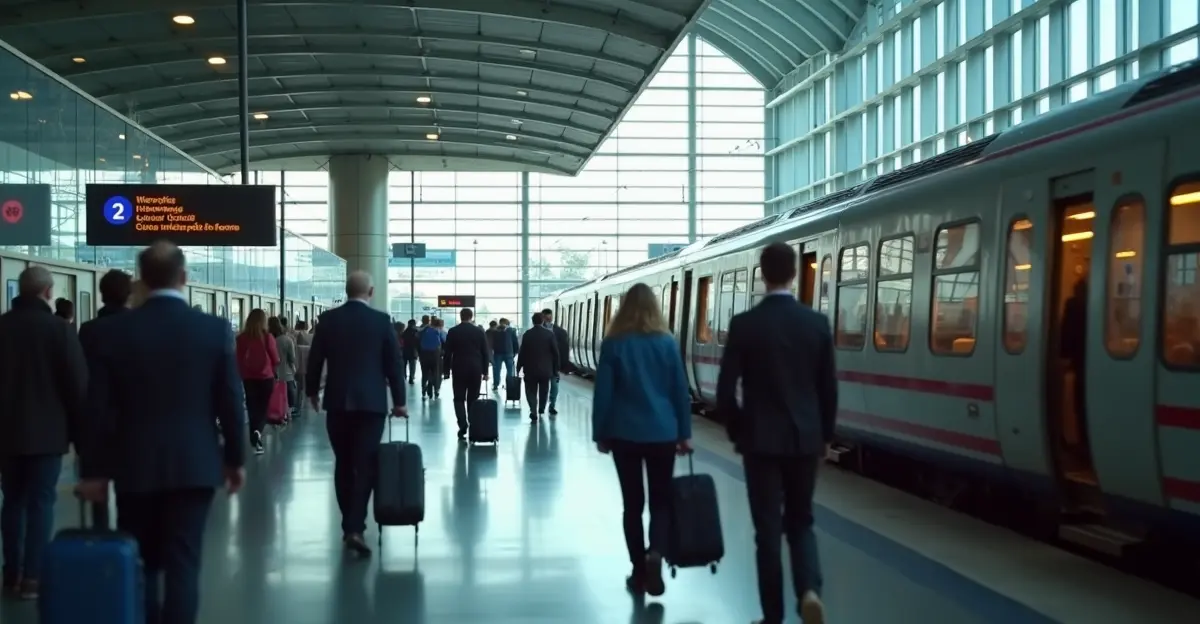
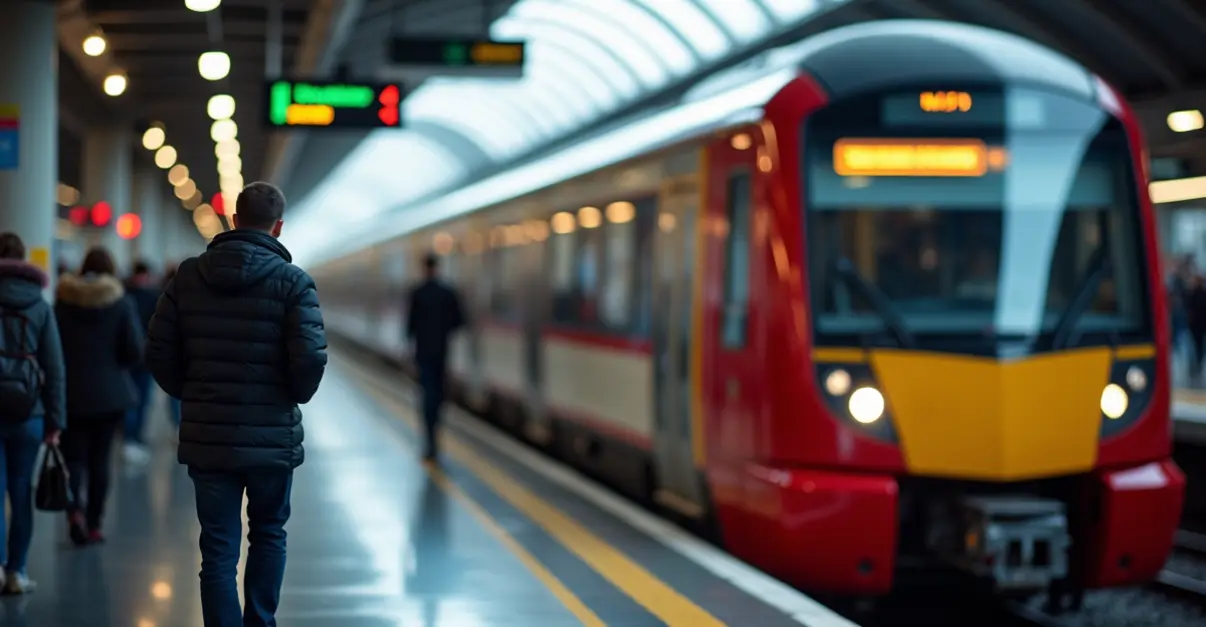
France is bracing for major rail disruptions with strikes scheduled for June 4-5 and 11, potentially cancelling about half of long-distance trains. 'We expect significant service reductions on these dates,' confirmed an SNCF spokesperson. Air traffic controller strikes also remain a persistent concern that could ground flights across French airspace.
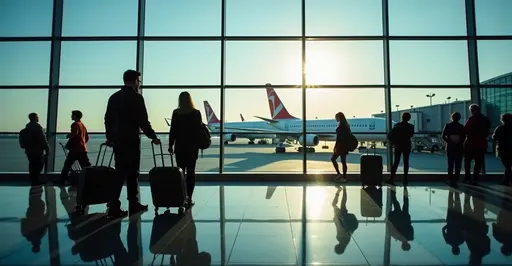
Italy faces numerous localized transport strikes throughout June and July, including major airport strikes on June 13 affecting Venice and Milan airports. 'The situation is particularly volatile in Italy with multiple unions coordinating actions,' noted travel analyst Marco Rossi.
The Netherlands faces potential rail shutdowns as pay negotiations stall, while Belgium continues monthly public service strikes over pension reform. In the UK, Glasgow and Edinburgh airports may see summer strikes, and London Heathrow mobility assistance workers are already striking over pay disputes.
Passenger Rights: A Patchwork of Protections
The situation highlights a concerning disparity in passenger rights across different transport modes. Air travelers benefit from strong protections under EU Regulation 261/2004, which provides compensation ranging from €250 to €600 for delays exceeding three hours or cancellations with less than 14 days' notice.
'The key question is whether strikes qualify as 'extraordinary circumstances',' explained passenger rights expert Sarah Chen. 'Courts have ruled that internal airline strikes may not qualify if the airline could have prevented them through better management.'
However, rail and ferry passengers have significantly weaker protections. While airlines must provide meals, accommodations, and communication during disruptions regardless of compensation eligibility, rail passengers often face limited recourse when strikes disrupt their journeys.
Traveler Guidance and Contingency Planning
Travel experts recommend several strategies for navigating the summer strike season:
1. Stay Informed: Monitor airline and rail operator announcements regularly, as strike notices can be issued with minimal warning.
2. Allow Extra Time: Build buffer days into travel itineraries, especially for connecting journeys.
3. Know Your Rights: Familiarize yourself with compensation rules and document all disruptions thoroughly.
4. Consider Travel Insurance: Comprehensive policies may cover additional expenses caused by strikes.
5. Pack Light: With baggage handler strikes affecting some airports, carry-on luggage reduces dependency on ground services.
'The cumulative effect of these strikes across multiple transport sectors could create widespread travel chaos,' warned industry analyst James Wilson. 'Travelers need to remain flexible and have backup plans ready.'
Industry Response and Future Outlook
Airlines like easyJet and Ryanair have implemented resilience measures, but the scale of potential disruptions remains concerning. Ferry workers in Italy have announced 48-hour strikes in early July, impacting island travel to popular destinations like Sicily and Sardinia.
The situation remains fluid with potential for additional short-notice strikes across Europe during peak summer months. As labor disputes continue over wages, working conditions, and pension reforms, travelers face an uncertain summer ahead.
'This isn't just about inconvenience - it's about people's holidays, family reunions, and business trips being disrupted,' said frequent traveler Michaela Schmidt. 'The industry needs better solutions for managing these situations.'
With proper planning and awareness of rights, travelers can mitigate some risks, but the forecast suggests a challenging summer for European travel.



Follow Discussion