
 Deutsch
 English
 Español
 Français
 Nederlands
 Português







Global Airline Labor Negotiations Create Summer Travel Chaos
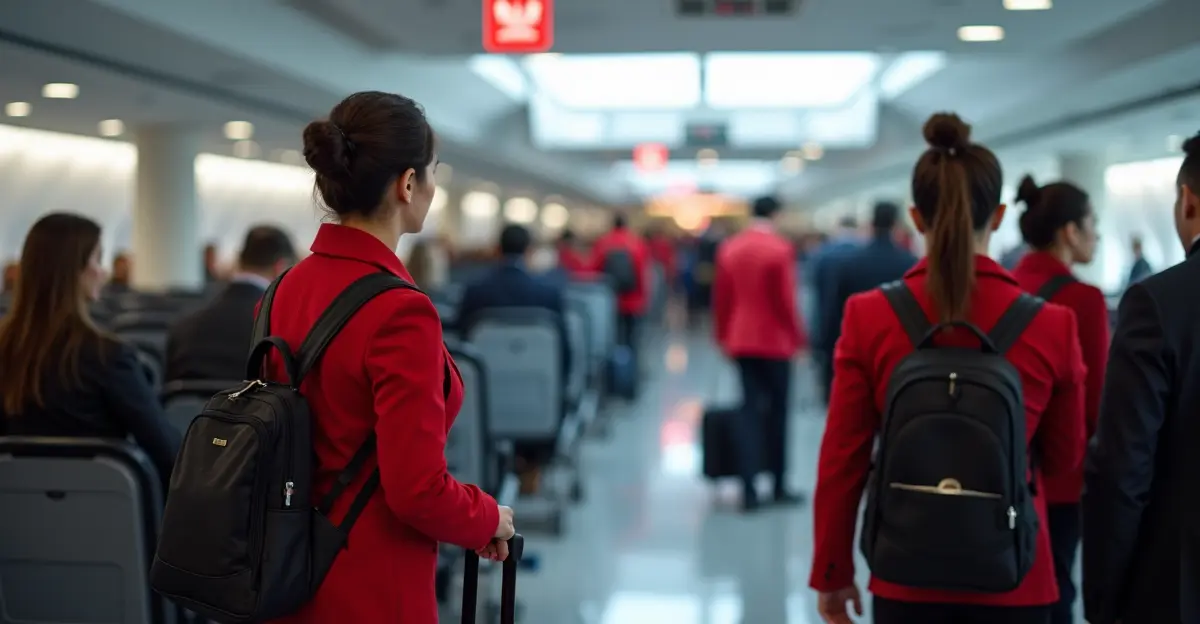
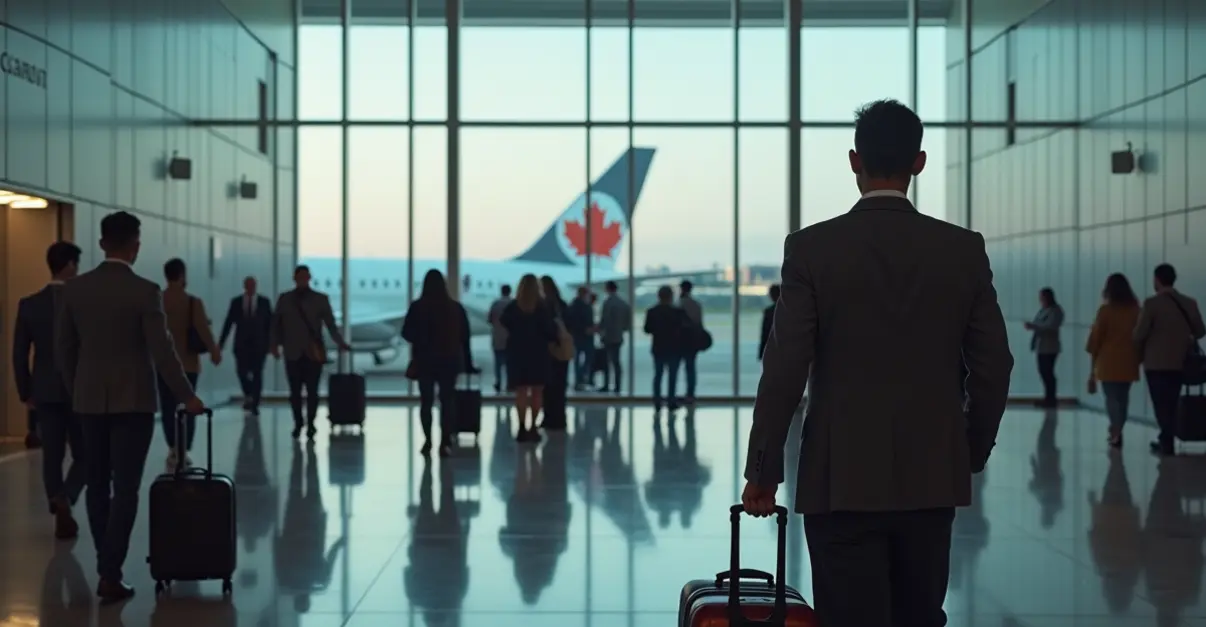
The summer of 2025 has become a season of turbulence for air travelers worldwide as major airline labor negotiations have escalated into strikes, causing massive flight cancellations and stranding hundreds of thousands of passengers. The most significant disruption came from Air Canada, where flight attendants walked off the job in August—the first such strike at the airline in 40 years—canceling approximately 700 daily flights and affecting up to 130,000 passengers daily. 'We perform an average of 35 unpaid hours monthly for safety checks, boarding, and passenger emergencies,' said a representative from the Canadian Union of Public Employees (CUPE), which represents over 10,000 Air Canada flight attendants. 'Airlines typically only pay cabin crew when planes are in motion, but we need compensation for all work hours.'
Economic Impact and Market Fallout
The financial consequences have been staggering. The 13-day Air Canada strike alone erased approximately $1.4 billion in market value from the airline, exposing what analysts call 'systemic vulnerabilities in airline valuations.' According to investment analysis, the walkout highlighted liquidity constraints, operational fragility, and regulatory limits on replacement workers under Canada's Bill C-58. 'This serves as a warning that airlines must balance labor demands with financial pressures in the post-pandemic recovery era,' noted industry observers.
Beyond immediate financial losses, the strikes have revealed deeper economic patterns. While global airlines are experiencing growth in 2025 according to Oliver Wyman's analysis, US travel is showing signs of decline. BCG's 2025 Air Travel Demand Outlook projects steady industry growth but notes that labor negotiations are leading to long-term wage increases that will reshape airline economics.
Passenger Rights in the Crossfire
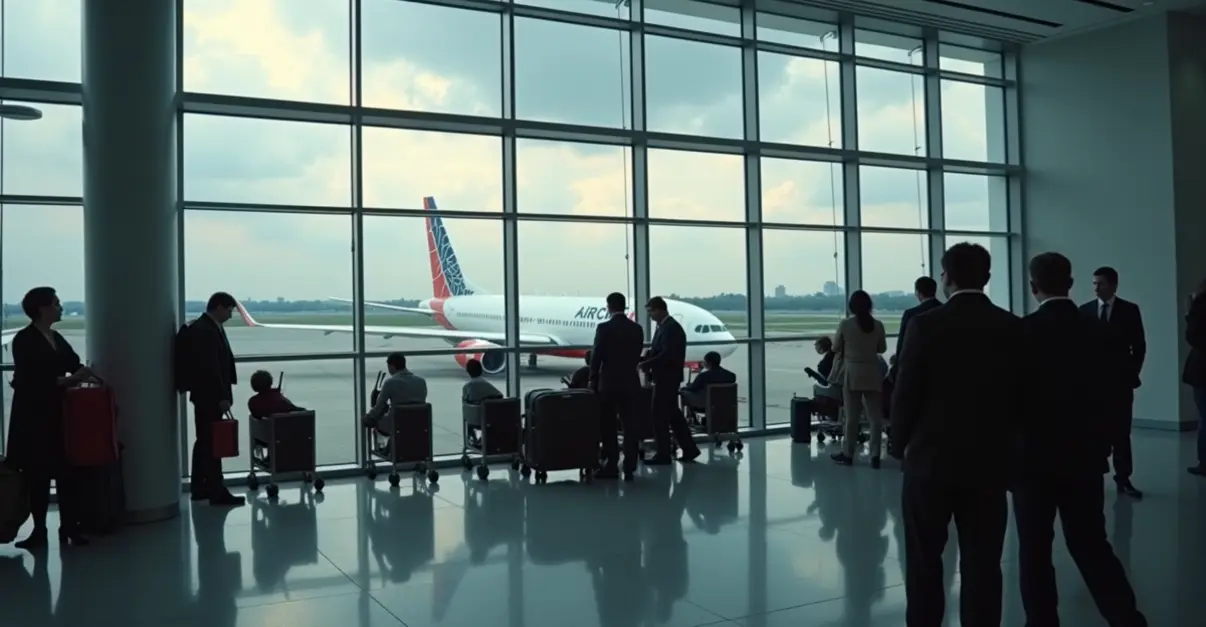
For stranded travelers, the situation has been particularly frustrating due to limited compensation rights. Under both Canadian and US regulations, strikes are considered 'outside airline control,' meaning passengers with canceled flights are eligible for full refunds but not additional compensation. 'Passengers are eligible for full refunds within 30 days but are not entitled to additional compensation since strikes are considered outside airline control,' explained travel experts in coverage of the Air Canada strike.
This contrasts sharply with European regulations where the Air Passengers Rights Regulation 2004 requires compensation of €250 to €600 for significant delays or cancellations, though even there, strikes might be considered 'extraordinary circumstances.' Air Canada offered affected passengers waivers allowing changes without fees and worked with partner carriers to provide alternatives, but capacity was severely limited during peak summer travel.
Broader Industry Implications
The Air Canada settlement in August 2025 represents what Reuters described as a potential reshaping of compensation structures for airline crews across North America. The deal could establish new benchmarks for pay scales and working conditions that influence negotiations at other carriers.
Labor uncertainty extends beyond Canada. Major airlines including WestJet, Porter Airlines, and several US carriers face ongoing or upcoming contract negotiations. The recent Air Transat pilot agreement narrowly avoided a strike, following similar disruptions at other airlines in recent years. Key factors driving these disputes include long-term contracts signed a decade ago during different economic conditions, the post-pandemic travel landscape, rising cost of living, and changing worker expectations after seeing successful strikes elsewhere.
Looking Ahead: Technology and Trust
Airlines are increasingly turning to technology to mitigate strike risks and passenger dissatisfaction. According to industry reports, airline spending on AI technologies is expected to grow 35% annually through 2030, reaching nearly $10 billion. These investments aim to improve operational agility, automate customer service during disruptions, and provide better communication with stranded passengers.
The 2025 labor disputes have also shifted passenger priorities. Post-strike data shows that 36% of 2024 passenger complaints were linked to flight disruptions, reflecting what analysts call 'a pandemic-era shift where passengers now prioritize reliability over price.' This changing consumer behavior means airlines must rebuild trust through improved loyalty programs, transparent pricing, and more reliable operations.
As the industry navigates these challenges, the summer of 2025 will likely be remembered as a turning point in airline labor relations—one that forced carriers, unions, and regulators to confront the complex balance between fair worker compensation, sustainable business models, and reliable passenger service in an increasingly volatile global travel market.


Follow Discussion