Nederlands
 English
 Deutsch
 Français
 Español
 Português
Pope Leo XIV's first Christmas Eve Mass emphasized helping the poor and migrants, connecting biblical teachings to modern social justice issues before thousands in St. Peter's Basilica.
Pope Leo XIV Delivers Powerful Christmas Message on Poverty and Migration
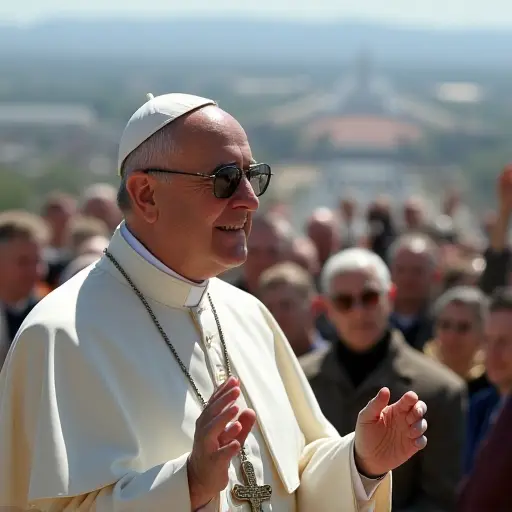
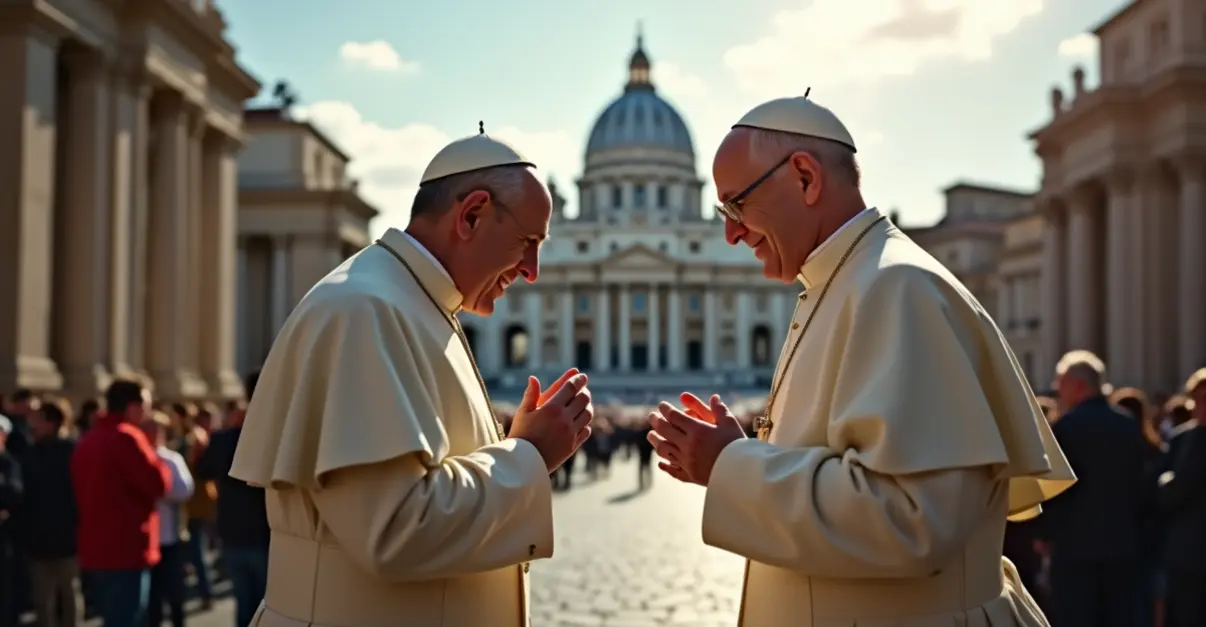
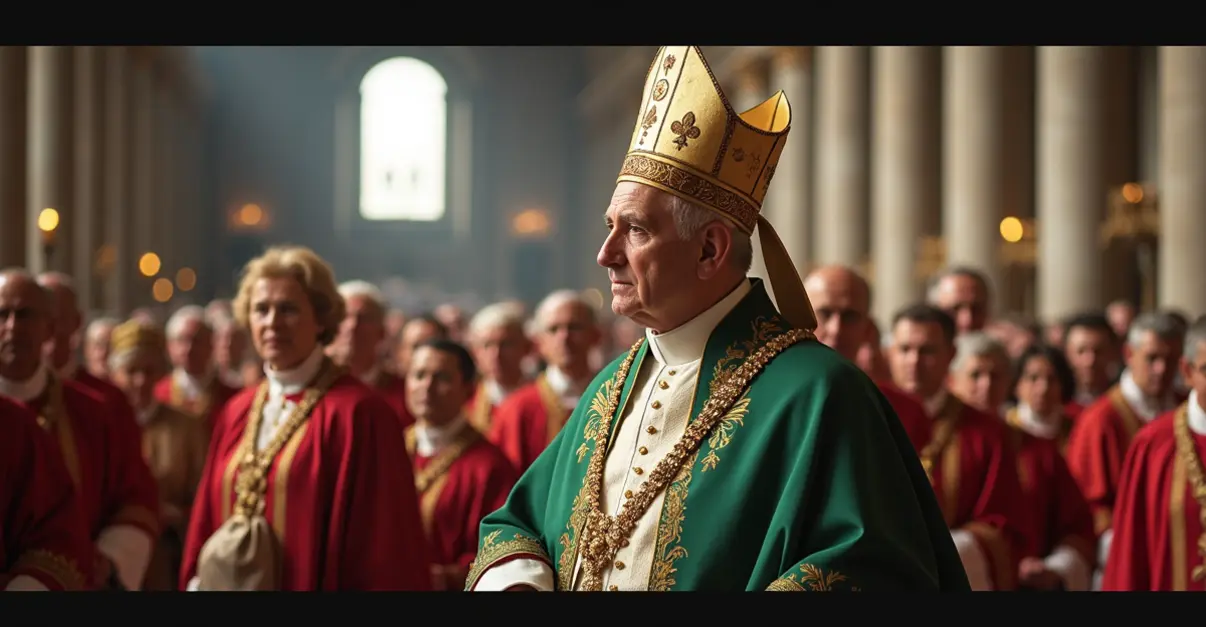
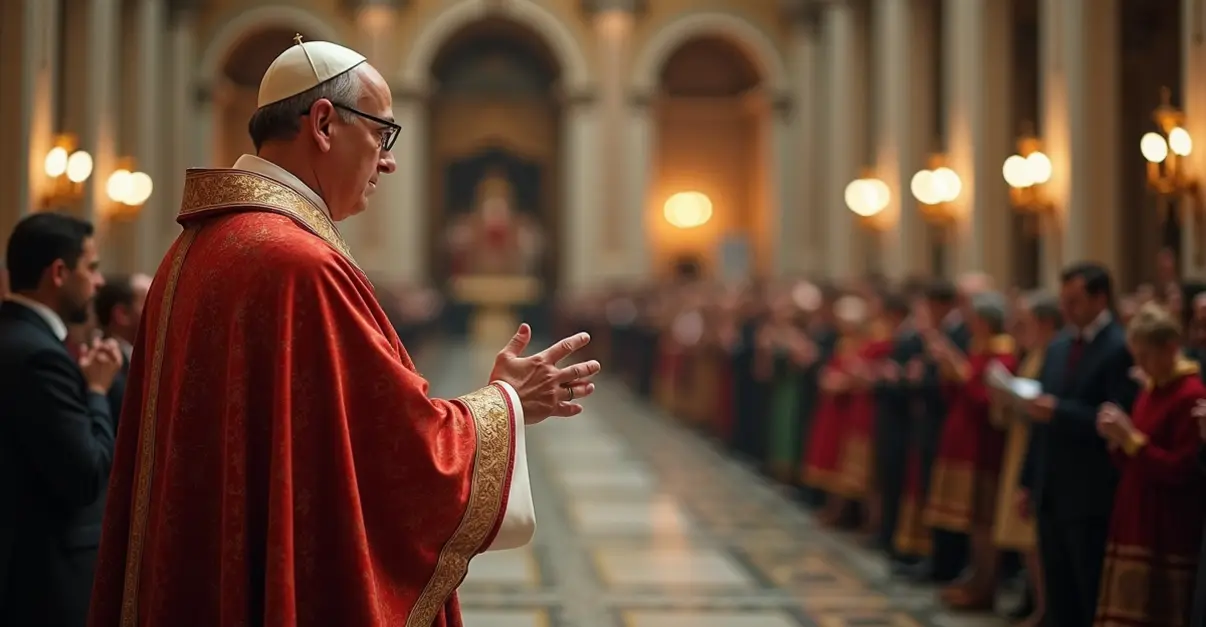
In his first Christmas Eve Mass as pontiff, Pope Leo XIV delivered a stirring message to thousands of faithful gathered at St. Peter's Basilica, emphasizing that 'refusing the poor means refusing God' and calling for greater compassion toward migrants and those living in poverty. The newly elected pope, who assumed leadership of the Catholic Church on May 8, 2025, used the traditional Christmas celebration to reinforce his commitment to social justice issues that have defined his early papacy.
Historic First Christmas Mass
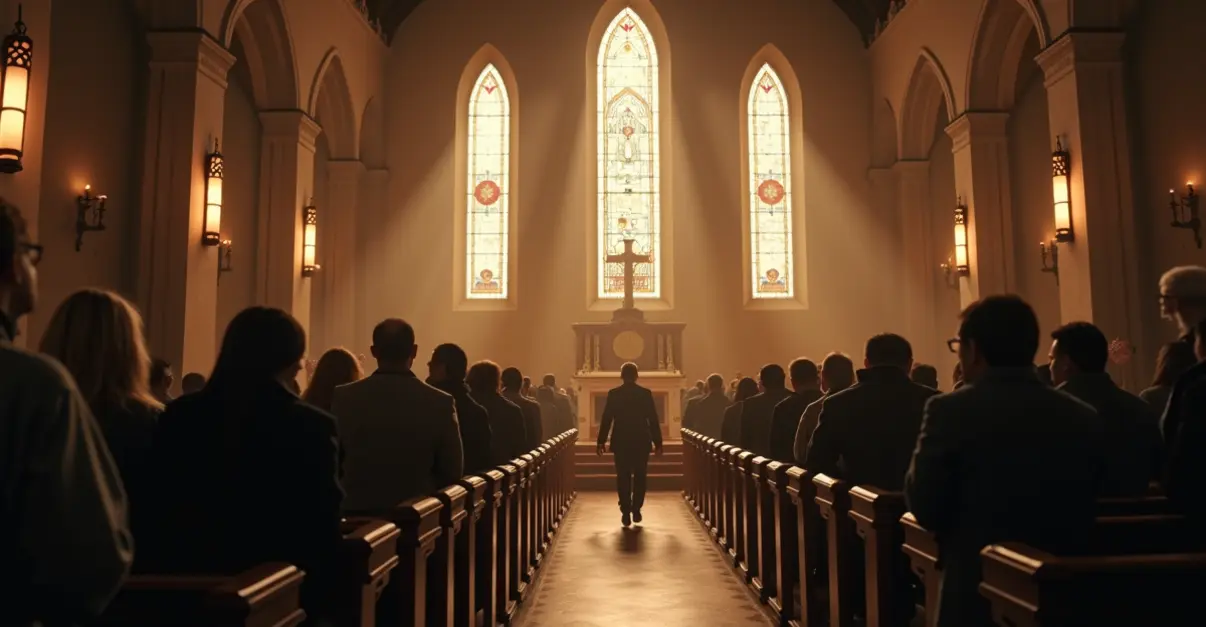
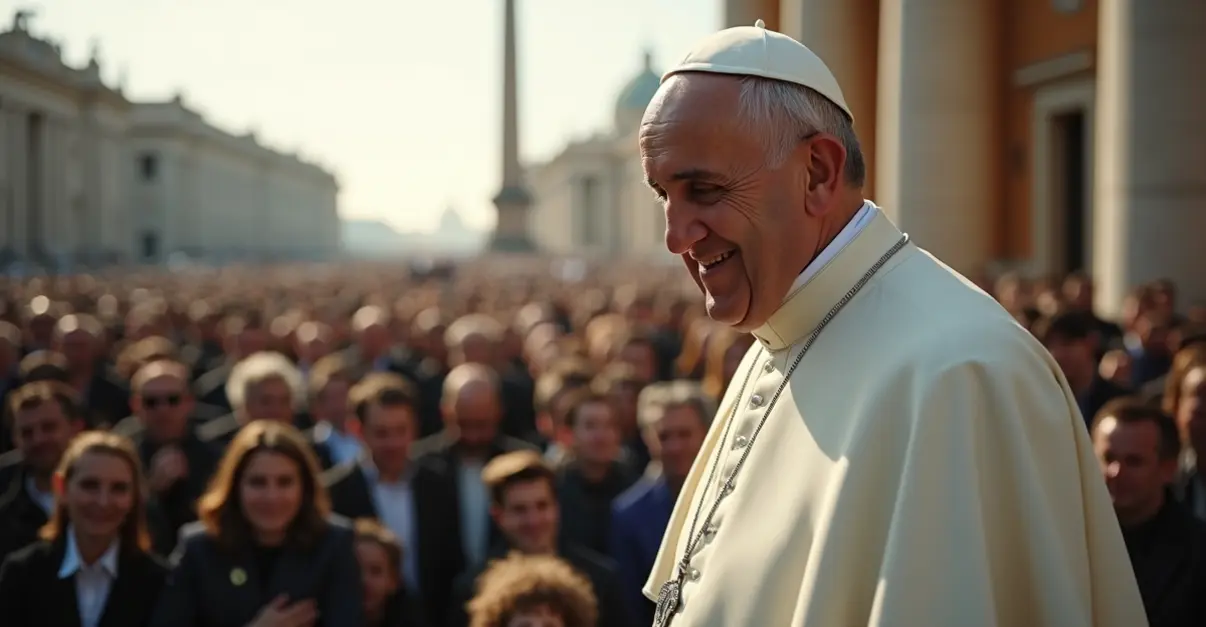
Approximately 6,000 worshippers filled the historic basilica for the midnight Mass, while another 5,000 braved pouring rain to watch the service on large screens in St. Peter's Square. The 70-year-old American-born pope, born Robert Francis Prevost, acknowledged the challenging weather conditions, thanking those who attended 'even in this weather' and noting that the basiliek was 'unfortunately not large enough' to accommodate everyone seeking to participate.
Drawing from the Christmas story of Jesus being born in a stable because there was no room at the inn, Pope Leo made a direct connection between biblical teachings and contemporary social issues. 'The story of Christ's birth in a manger must remind Christians that refusing to help the poor and strangers is equivalent to rejecting God,' he declared during his homily.
Continuity with Social Justice Focus
Since his election earlier this year, Pope Leo XIV has consistently emphasized care for migrants and the poor. In October, he released his first major papal document, the Apostolic Exhortation 'Dilexi te' (I have loved you), which strongly criticized global economic inequality as a 'dictatorship' and reaffirmed the Church's commitment to supporting migrants. The document, originally prepared by his predecessor Pope Francis, rejects theories that free markets alone will solve poverty and emphasizes that concern for the poor is non-negotiable.
During his Christmas Eve address, the pope returned to these themes, speaking of a 'distorted economy' that treats people 'as commodities.' Vatican observers note that this continuity with Pope Francis's social justice agenda was expected, given Leo's background as a missionary in Peru and his work with marginalized communities.
First Urbi et Orbi Blessing
Later on Christmas Day, Pope Leo was scheduled to deliver his first 'Urbi et Orbi' (to the city and the world) blessing from the central balcony of St. Peter's Basilica. This traditional Christmas Day address to the faithful gathered in the square and broadcast worldwide was expected to draw tens of thousands of pilgrims. The blessing represents one of the most significant moments in the papal calendar, offering the pope's message of peace and goodwill to Catholics around the globe.
The transition from Pope Francis, who died on April 21, 2025, to Pope Leo XIV has been marked by continuity in social teaching. As the first pope born in the United States and the second from the Americas, Leo brings a unique perspective shaped by his missionary work in Latin America and his Augustinian background.
Reactions and Significance
The pope's Christmas message has been widely covered by international media, with Reuters highlighting his emphasis on poverty relief as a fundamental religious obligation. Catholic leaders have praised the message's clarity and moral force, while some conservative groups have expressed concern about the continued focus on economic and migration issues.
According to Vatican documents, Pope Leo has previously described migrants as 'missionaries of hope' and emphasized their role in revitalizing ecclesial communities. His Christmas message reinforces this vision, connecting traditional Christian charity with contemporary global challenges.
The Christmas celebrations come at a time when the Catholic Church faces numerous challenges, including declining attendance in Western countries, though holiday services typically draw larger crowds. As noted by Dutch news reports, while regular church attendance has decreased in many regions, Christmas services continue to attract significant numbers of worshippers seeking connection with tradition and community.
Pope Leo XIV's first Christmas as pontiff thus represents both continuity with his predecessor's legacy and an opportunity to establish his own voice on issues of poverty, migration, and economic justice that will likely define his papacy in the years to come.