
 Deutsch
 English
 Español
 Français
 Nederlands
 Português

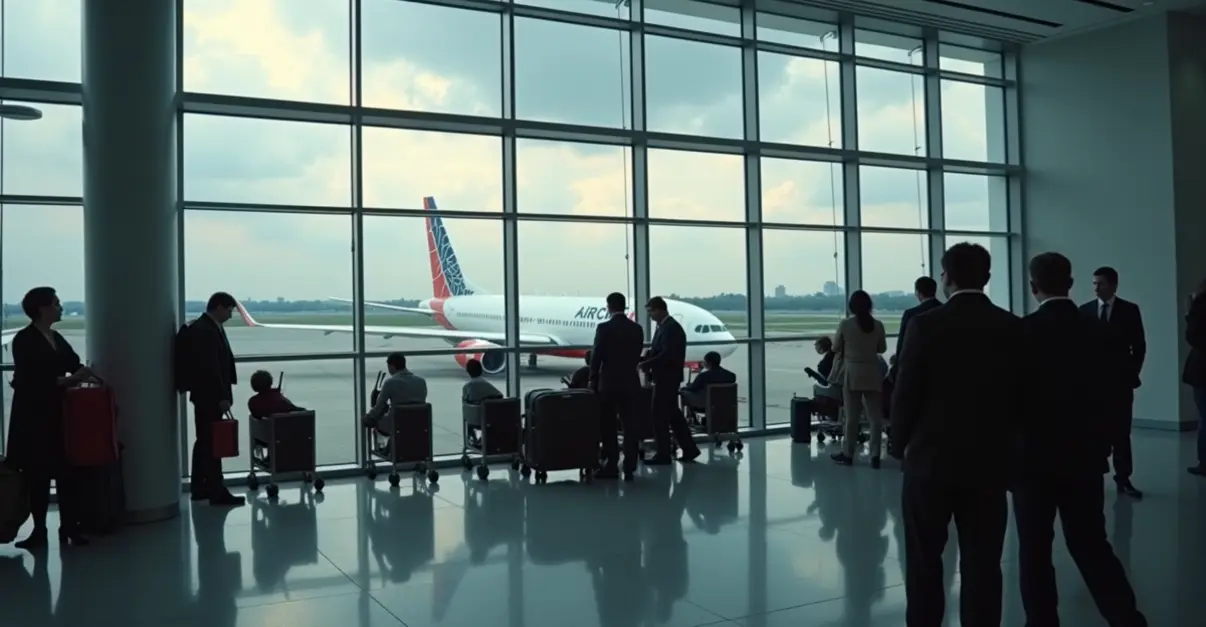





Major Airline Strike Disrupts Summer Travel Across North America
The 2025 Air Canada flight attendants strike has created massive disruptions for travelers across North America, with approximately 500 flights canceled daily affecting up to 130,000 passengers. The labor dispute between Air Canada and the Canadian Union of Public Employees (CUPE), representing 10,517 flight attendants, escalated into a full-scale strike beginning August 16, 2025, during peak summer travel season.
Passenger Rights and Compensation Challenges
For affected passengers, the situation has been particularly frustrating due to limited compensation rights. Under Canada's Air Passenger Protection Regulations, strikes are considered 'outside the carrier's control,' meaning passengers are entitled to refunds or rebooking but not additional compensation for expenses like hotels or meals. 'The system is fundamentally unfair to consumers,' says travel rights advocate Gabor Lukacs. 'Passengers bear the brunt of labor disputes while airlines face minimal financial consequences.'
Air Canada has implemented an 'exceptional policy' offering full refunds for canceled flights and flexible rebooking options. For travel between August 15-22, passengers can rebook on Air Canada, Air Canada Rouge, or other airlines at no cost. However, with limited seat availability during peak summer, many travelers have faced significant challenges finding alternative arrangements.
Government Intervention and Mediation Progress
The Canadian government intervened decisively on August 16, with Jobs Minister Patty Hajdu directing the Canada Industrial Relations Board to impose binding arbitration. This move extended the current collective agreement until an arbitrator determines a new one. 'We cannot allow this disruption to continue harming our economy and stranding thousands of Canadians,' Hajdu stated in a press conference.
The strike officially ended on August 19 when both parties announced a tentative agreement, though the wage portion faced overwhelming rejection by union members in September. The core dispute centered on unpaid groundwork - flight attendants demanding compensation for work performed before takeoff and after landing. According to CUPE estimates, Air Canada flight attendants perform about 35 hours of unpaid work each month.
Economic Impact and Sector Consequences
The economic consequences have been substantial. The strike caused an estimated $1.4 billion in economic losses and contributed to a 14.25% stock drop for Air Canada. Tourism-dependent provinces absorbed 63% of the economic hit, with cargo operations slowing by 46% and affecting perishable goods exports.
'This isn't just about airline profits - it's about the entire Canadian economy,' explains aviation economist Dr. Michael Tretheway. 'When our flag carrier experiences this level of disruption, it ripples through tourism, business travel, and supply chains.'
Competitor airlines like WestJet and Porter Airlines benefited with 18-24% load-factor surges, but consumer satisfaction suffered across the entire sector. The strike highlighted structural issues in Canadian aviation labor relations and exposed weaknesses in consumer protection frameworks.
Looking Forward: Industry Implications
As Air Canada works to stabilize operations - warning it may take up to 10 days for schedules to fully normalize - the industry faces broader questions about labor relations and passenger protections. The strike has renewed calls for stronger passenger rights legislation in Canada, particularly regarding compensation during labor disputes.
The situation also raises questions about government intervention in private sector labor disputes. While binding arbitration ended the immediate crisis, some analysts worry it may set precedents that could affect future negotiations across the transportation sector.
For now, passengers continue to navigate the aftermath, with many learning hard lessons about travel insurance and the limitations of current passenger protection regulations. As one stranded traveler put it: 'You don't realize how vulnerable you are until the system breaks down completely.'



Follow Discussion