


 Deutsch
 English
 Español
 Français
 Nederlands
 Português


 Share
Share




What is the Austrian Climber Trial?
The Austrian climber trial that began on February 19, 2026, in Innsbruck represents a landmark legal case that could redefine responsibility in mountain sports. Thomas P., a 37-year-old Austrian mountaineer, faces charges of gross negligent manslaughter after his 33-year-old girlfriend Kerstin G. froze to death on Austria's highest peak, the 3,798-meter Grossglockner, on January 18, 2025. The prosecution alleges nine critical errors that led to the tragedy, while the defense maintains it was a tragic accident that occurred despite both climbers being experienced and well-prepared.
Background: The Fatal Grossglockner Ascent
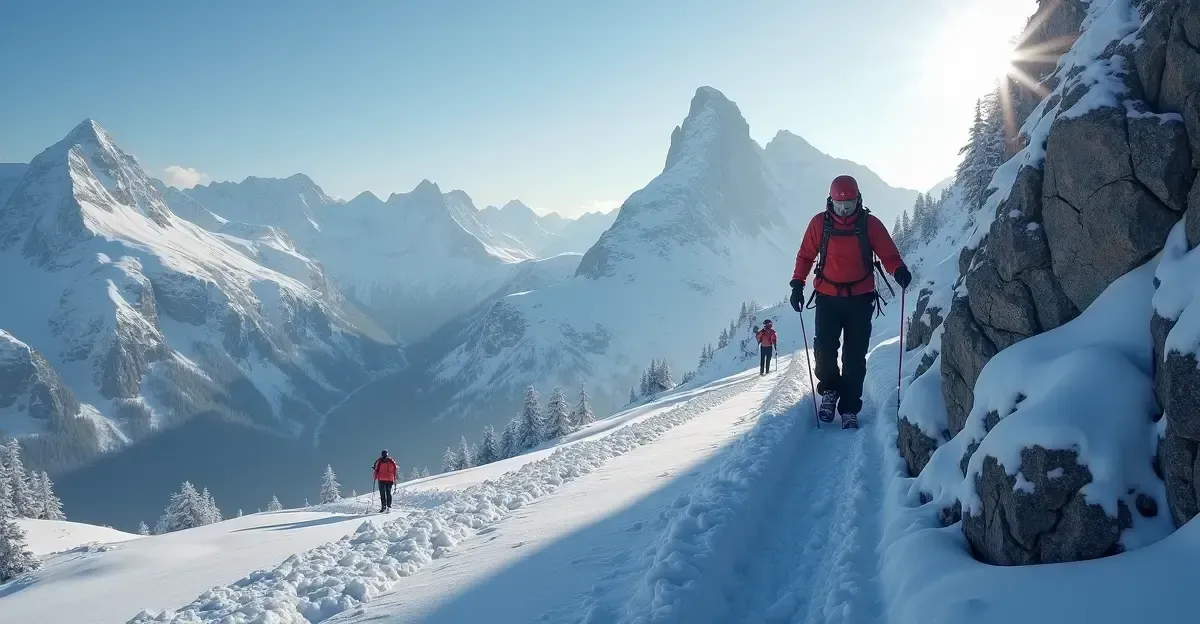
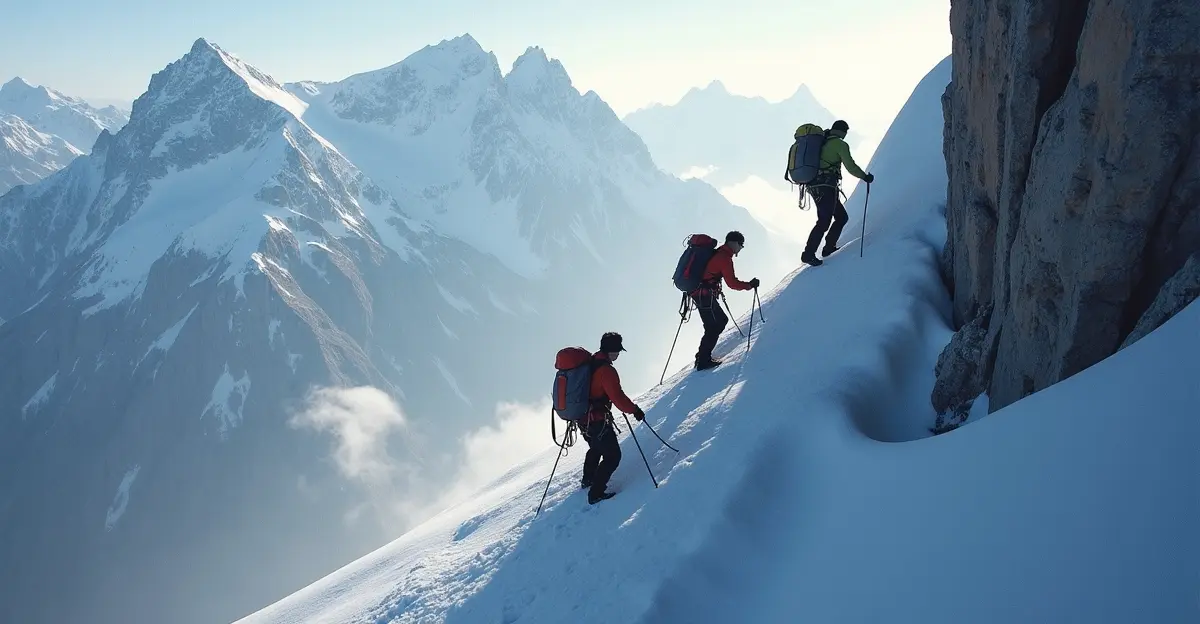
The Grossglockner, Austria's highest mountain at 3,798 meters (12,461 feet), presents significant challenges even for experienced climbers. Located in the Hohe Tauern range, the mountain features the Pasterze glacier, Austria's largest glacier, and requires technical climbing skills with exposure to extreme weather conditions. On January 18, 2025, Thomas P. and Kerstin G. began their ascent during winter conditions with temperatures dropping to -9°C and wind gusts reaching 45 mph, creating wind chill factors of approximately -20°C.
According to court documents, the couple reached approximately 50 meters below the summit around 2:00 AM after a 17-hour climb. Kerstin G. became exhausted and hypothermic, unable to continue. Thomas P. left her unprotected to seek help, but by the time rescue teams reached her, she had died from hypothermia. The prosecution's case centers on whether Thomas P., as the more experienced climber, had a legal duty of care that he breached through multiple errors.
Prosecution's Nine Critical Allegations
What Prosecutors Claim Went Wrong
The Innsbruck prosecution has outlined nine specific allegations against Thomas P.:
- Starting the climb too late in the day, beginning at 9:00 AM for a winter ascent
- Using inadequate equipment, including Kerstin G. wearing snowboard boots instead of proper mountaineering boots
- Failing to carry sufficient emergency gear, particularly thermal blankets
- Continuing the ascent despite deteriorating weather conditions
- Not turning back when Kerstin G. showed signs of exhaustion
- Leaving her unprotected in extreme conditions without proper insulation
- Delaying the emergency call to mountain rescue services
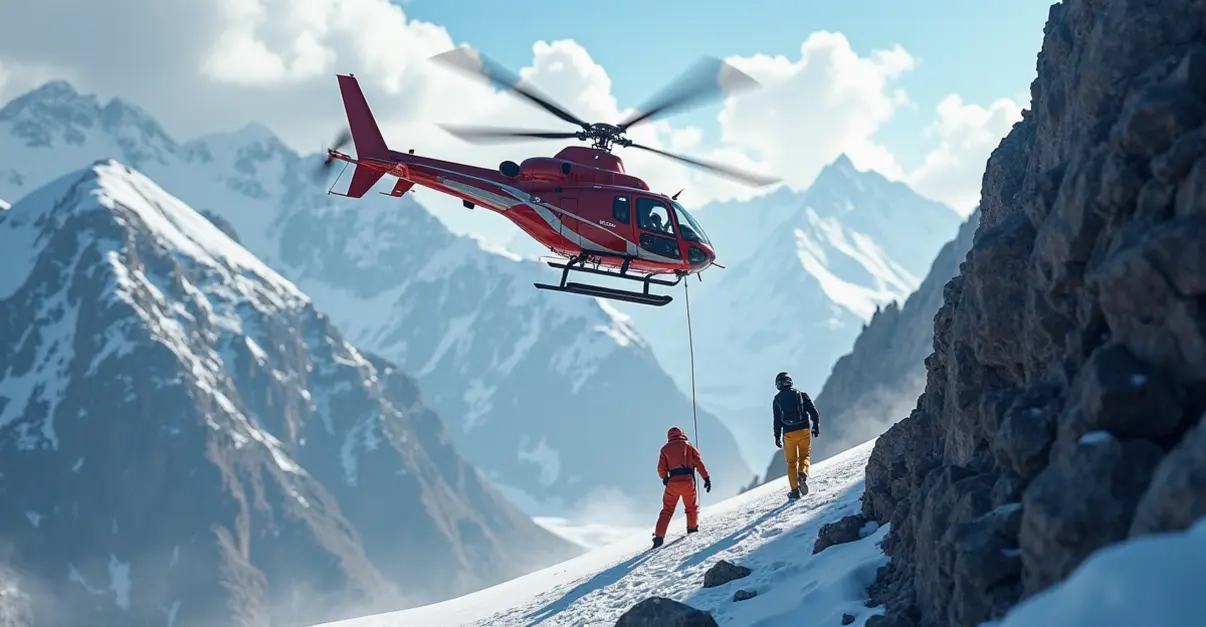
- Miscommunicating with rescue services about helicopter availability
- Failing to use available emergency equipment to protect his partner
Prosecutor Michaela Schmidt stated in court: 'The defendant, as the more experienced climber, assumed the role of guide and had a heightened responsibility for his partner's safety. His decisions demonstrate gross negligence that directly led to this tragic death.'
Defense Arguments and Emotional Testimony
Thomas P.'s Account of Events
Thomas P. testified emotionally in court, stating: 'I have infinite regret for what happened and how it happened. I loved Kerstin and I never wanted anything to happen to her.' The defense argues that both climbers were experienced enthusiasts who planned the trip together, with neither holding official guiding certifications. Thomas P. maintains that Kerstin G. encouraged him to leave her to seek help and that he believed the rescue operation was already underway when he made his descent.
The defense also highlights what they call a 'misunderstanding' during the emergency call. Thomas P. claimed he was told rescue teams couldn't reach them by helicopter due to weather conditions, leading him to believe he needed to descend further. This case has similarities to other mountain climbing accident legal cases that have tested the boundaries of criminal liability in adventure sports.
Legal Precedent and Mountain Community Impact
Why This Case Matters Beyond Austria
The trial has sparked intense debate within the global climbing community about legal responsibility in high-risk sports. The German Alpine Association has stated that the verdict could establish important precedents for when poor judgment transitions from personal risk assumption to criminal liability. Legal experts note that Austrian law recognizes the concept of 'tour guide acting as a courtesy,' which holds the more experienced person responsible for group safety.
Kerstin G.'s mother has publicly supported Thomas P., calling the prosecution a 'witch-hunt' and emphasizing that both climbers understood the risks involved. However, prosecutors argue that understanding risk doesn't absolve someone of responsibility when their actions directly contribute to another's death. This legal debate mirrors discussions in other extreme sports liability cases where courts have struggled to balance personal responsibility with duty of care.
Potential Outcomes and Sentencing
If convicted, Thomas P. faces up to three years in prison for gross negligent manslaughter. The court must determine whether his actions constituted criminal negligence or whether this was simply a tragic accident inherent to high-altitude mountaineering. The verdict, expected in the coming weeks, could influence climbing practices worldwide, potentially leading to:
- More formalized responsibility agreements between climbing partners
- Stricter equipment requirements for winter ascents
- Clearer legal definitions of guide responsibility
- Increased emphasis on emergency preparedness training
Safety Implications for Future Climbers
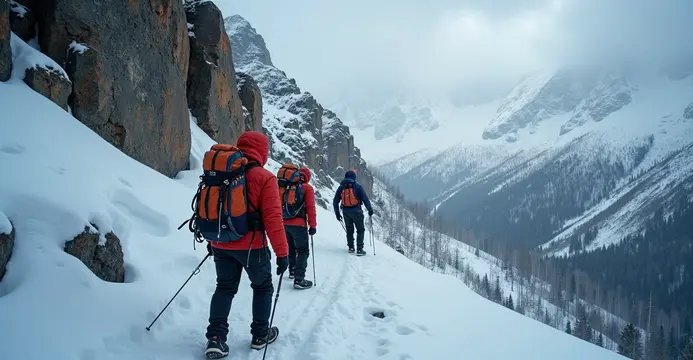
This tragic case highlights critical safety considerations for mountain climbers. Proper preparation for high-altitude winter climbs should include:
| Essential Equipment | Safety Protocols | Emergency Planning |
|---|---|---|
| Proper mountaineering boots (B3 rated) | Early start times (pre-dawn) | Satellite communication devices |
| Thermal emergency blankets | Weather condition monitoring | Pre-planned emergency contacts |
| High-altitude clothing layers | Regular partner condition checks | Clear evacuation procedures |
| Navigation and communication tools | Conservative turn-back decisions | Mountain rescue contact information |
Experts emphasize that while mountains inherently involve risk, proper preparation and conservative decision-making can prevent many tragedies. The alpine safety guidelines 2026 recommend specific protocols for winter ascents that could have potentially prevented this outcome.
Frequently Asked Questions (FAQ)
What happened on the Grossglockner?
On January 18, 2025, two climbers attempted a winter ascent of Austria's highest peak. The female climber became exhausted and hypothermic near the summit, and her partner left her to seek help. She died from hypothermia before rescuers could reach her.
What charges does Thomas P. face?
Thomas P. faces charges of gross negligent manslaughter, with prosecutors alleging nine specific errors that contributed to his partner's death.
What is the possible sentence?
If convicted, Thomas P. could face up to three years in prison under Austrian law for gross negligent manslaughter.
Why is this case significant?
This case could establish legal precedents for climbers' responsibility toward their partners and redefine when poor judgment becomes criminal negligence in adventure sports.
What safety lessons can climbers learn?
Climbers should prioritize proper equipment, conservative decision-making, early turn-back decisions, and comprehensive emergency planning for winter ascents.


Follow Discussion