Nederlands
 English
 Deutsch
 Français
 Español
 Português
Nigerian President Bola Tinubu announces all 230 schoolchildren kidnapped in November have been freed. The rescue comes amid Nigeria's kidnapping epidemic, with over 4,700 abductions in the past year alone.

All 230 Nigerian Schoolchildren Rescued After Month-Long Ordeal
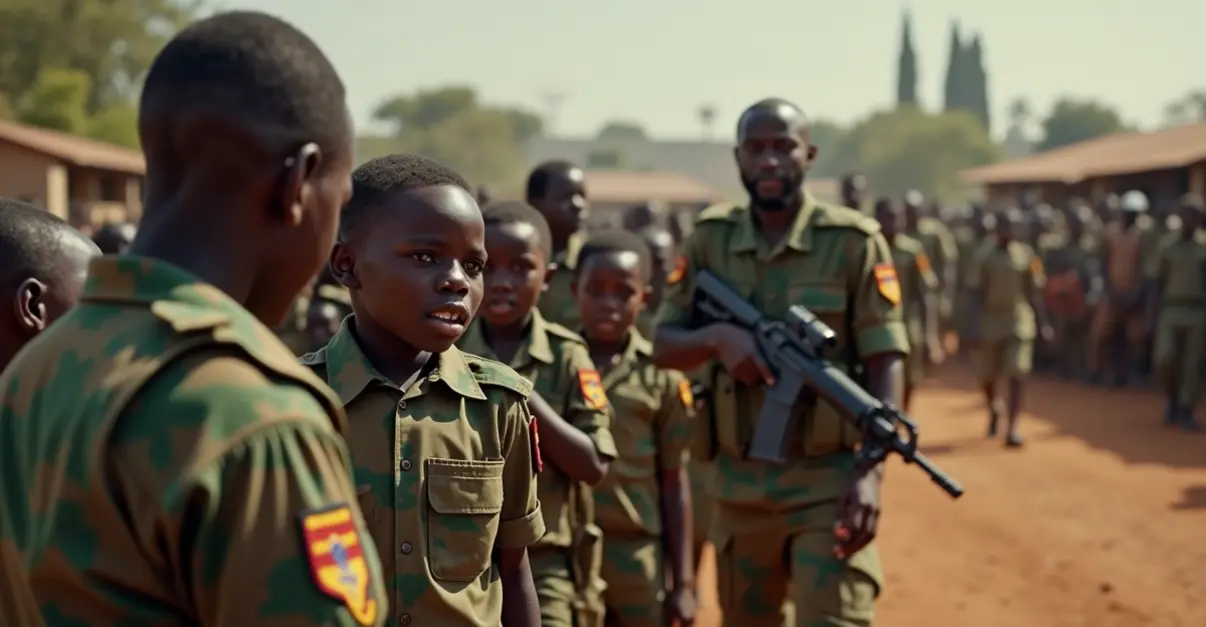
In a dramatic Christmas Eve development, Nigerian President Bola Tinubu announced that the final 130 schoolchildren kidnapped last month have been successfully freed, bringing an end to a traumatic ordeal that gripped the nation. 'We expect them tomorrow in Minna so they can celebrate Christmas with their parents,' Tinubu declared via social media platform X, confirming the complete resolution of the mass abduction that began on November 21, 2025.
The Papiri School Kidnapping
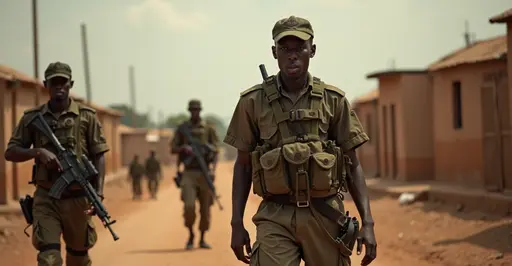
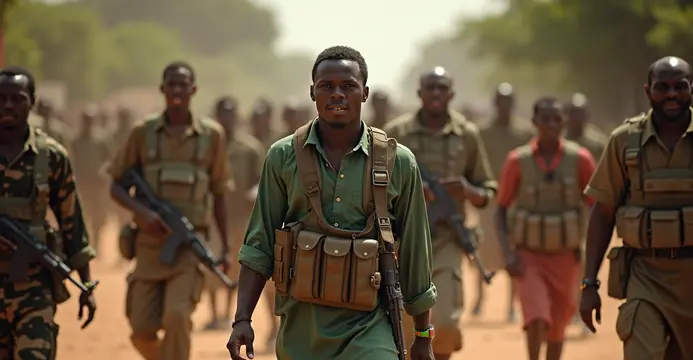
The crisis began when armed gunmen stormed St. Mary's Catholic School in Papiri, Niger State, abducting approximately 300 students and 12 staff members. The attack followed a pattern that has become tragically familiar in Nigeria's northern regions, where criminal gangs have turned kidnapping into a lucrative industry. According to Nigerian media reports, the rescue operation was intelligence-driven, though specific details remain classified for security reasons.
Special Adviser to President Tinubu on Information and Strategy, Bayo Onanuga, confirmed that 'no students remain in captivity' following the latest operation. This brings the total number of freed children to 230, with 50 having escaped on their own shortly after the kidnapping, another 100 rescued on December 8, and now the final 130 liberated just days before Christmas.
Nigeria's Kidnapping Epidemic
The Papiri incident represents just one chapter in Nigeria's ongoing security crisis. According to a 2025 report, between July 2024 and June 2025 alone, at least 4,722 people were kidnapped in 997 separate incidents across Nigeria. Ransom demands during this period reached approximately 48 billion naira (about $32 million), with about 2.56-2.57 billion naira actually paid to kidnappers.
Dr. Toyosi Akerele-Ogunsiji, drawing from experience with the Victims of Terrorism Support Fund, notes that 'the kidnapping industry has become a sophisticated parallel economy' with organized networks of financiers, informants, logistics, and weapons suppliers. The north-west region accounts for 62% of victims, with Zamfara, Kaduna, and Katsina being particular hotspots.
Historical Context: From Chibok to Papiri
The Papiri kidnapping inevitably draws comparisons to the 2014 Chibok schoolgirls abduction, when Boko Haram militants kidnapped 276 girls from their school in northeastern Nigeria. That incident sparked global outrage and the #BringBackOurGirls campaign. While 57 girls escaped immediately, as of April 2024, 82 remained missing after ten years.
According to Al Jazeera reporting, the Chibok kidnapping established a pattern of school abductions in Nigeria, with over 1,400 children kidnapped in the past decade. Many freed survivors face immense challenges reintegrating into society, with psychological trauma persisting despite government support programs.
Economic Impact and Security Challenges
The kidnapping crisis has severe economic consequences beyond the immediate human tragedy. A November 2025 analysis reveals that Abuja businesses have seen a 33% revenue drop, while transport costs have increased and insurance premiums have skyrocketed due to security concerns. The agricultural sector has been particularly hard hit, with farmers abandoning their lands in fear of abduction.
President Tinubu, who took office in 2023 after serving as governor of Lagos State, faces mounting pressure to address Nigeria's security challenges. The 72-year-old leader, who studied accounting at Chicago State University and worked for Mobil Nigeria before entering politics, has made security a key priority of his administration.
Looking Forward
While the Papiri rescue represents a significant victory for Nigerian authorities, experts warn that without addressing the root causes of Nigeria's kidnapping economy, such incidents will continue. Poverty, unemployment, and currency depreciation create fertile ground for criminal enterprises, while one-third of ransom proceeds reportedly fund Islamist groups like Boko Haram.
As the freed Papiri children reunite with their families for Christmas, their ordeal highlights both the resilience of Nigeria's people and the urgent need for comprehensive security reforms. The successful rescue operation demonstrates what's possible with coordinated intelligence efforts, but the broader challenge of dismantling Nigeria's kidnapping industry remains.