


 Deutsch
 English
 Español
 Français
 Nederlands
 Português


 Share
Share




What is the FBI Investigation Into Missing Scientists?
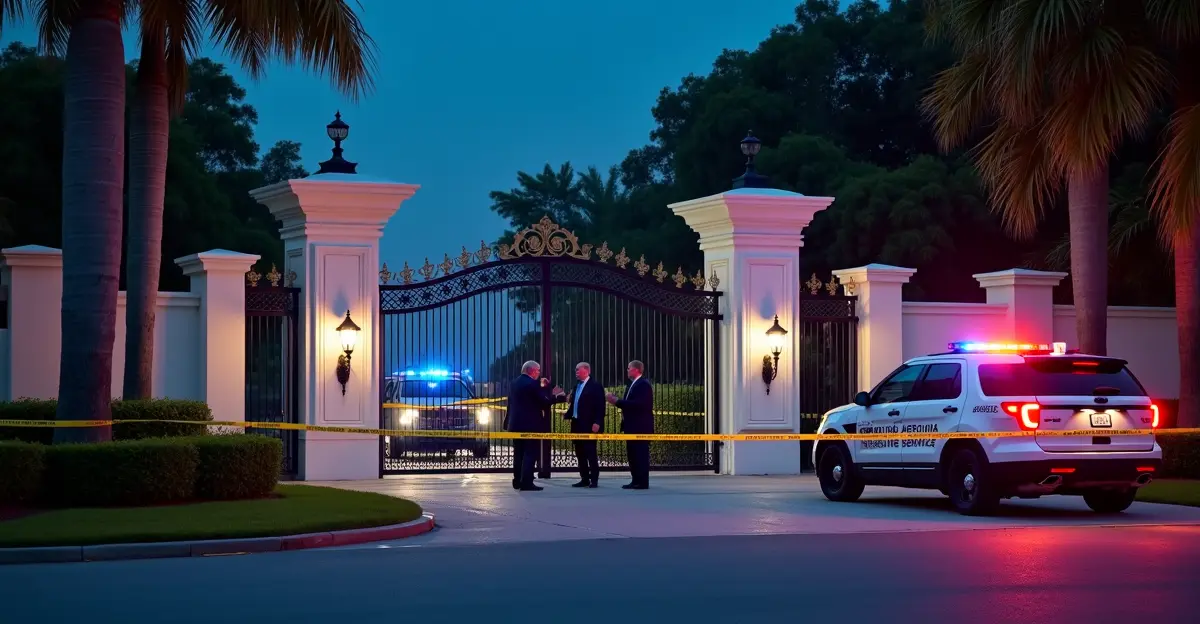
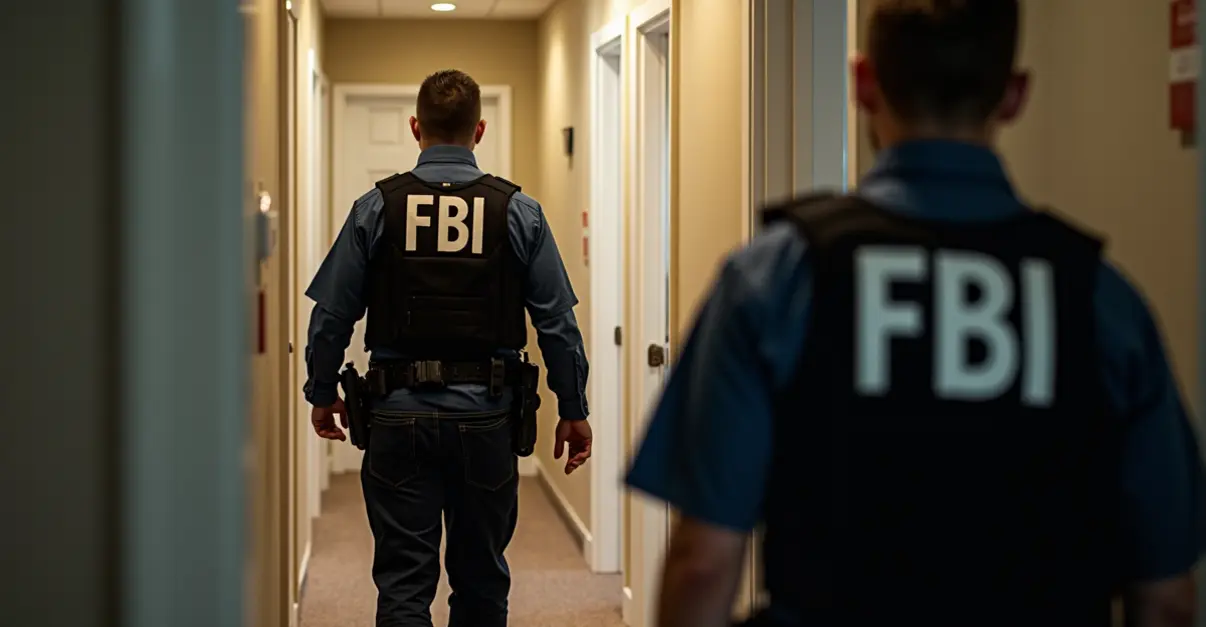
The Federal Bureau of Investigation has launched a major investigation into the mysterious deaths and disappearances of at least ten American top scientists who worked on sensitive nuclear and space research programs. This alarming pattern, occurring over less than three years, has raised serious national security concerns and prompted both the FBI and the House of Representatives to initiate formal probes. The investigation represents one of the most significant national security inquiries in recent years, focusing on whether these cases are isolated incidents or part of a coordinated threat against U.S. scientific and defense capabilities.
Background and Context of the Investigation
The troubling pattern began emerging in 2022 and has accelerated through 2026, involving scientists from prestigious institutions including NASA's Jet Propulsion Laboratory, Los Alamos National Laboratory, Caltech, and MIT. These researchers were involved in cutting-edge work on nuclear technology, aerospace engineering, and defense systems. The FBI, under Director Kash Patel, is coordinating with multiple federal agencies including the Department of Energy, Department of War, and local law enforcement to determine if there are connections between these cases. The investigation comes amid heightened global tensions and concerns about foreign espionage operations targeting U.S. technological superiority.
Key Cases Under Investigation
Notable Deaths and Disappearances
The FBI is examining at least ten specific cases that share disturbing similarities:
- Michael David Hicks (59): NASA JPL scientist from Sunland who died July 30, 2023 with no public cause of death
- Frank Maiwald (61): Another NASA JPL scientist who died July 4, 2024 with no public cause
- Monica Reza (60): NASA JPL scientist who vanished while hiking near Mount Waterman on June 22, 2025
- Carl Grillmair (67): Caltech astrophysicist fatally shot on his Antelope Valley porch in February 2026
- Retired Air Force Maj. Gen. William Neil McCasland: Former Pentagon top scientist who disappeared from New Mexico in February 2026
- Amy Eskridge (34): Anti-gravity researcher who died from a self-inflicted gunshot wound in 2022 after reporting threats
Geographic and Temporal Patterns
Four of the cases have Southern California connections, while others are concentrated in New Mexico near major research facilities. The timeline shows a concerning acceleration, with multiple cases occurring in 2025-2026. This geographic clustering around major research hubs has intensified concerns about potential targeting of specific scientific communities.
Government Response and Congressional Action
FBI's Coordinated Investigation
The FBI has taken the lead in what Director Kash Patel describes as 'a comprehensive review of all available evidence.' The agency is working closely with the Department of Energy's Office of Intelligence and Counterintelligence, which oversees security at national laboratories. 'We are examining every angle and following all leads,' said an FBI spokesperson in a statement to CNN. The investigation includes forensic analysis, digital evidence collection, and international cooperation where appropriate.
House Oversight Committee Investigation
The Republican-led House Oversight Committee has launched its own parallel investigation, citing concerns about a 'possible sinister connection' between the cases. Committee Chairman Rep. Eric Burlison (R-Mo.) stated, 'This pattern is too coincidental to ignore. We need to determine if there's a threat to our national security infrastructure.' The congressional probe will examine whether proper security protocols were followed and if there are systemic vulnerabilities in protecting scientific personnel.
White House Involvement
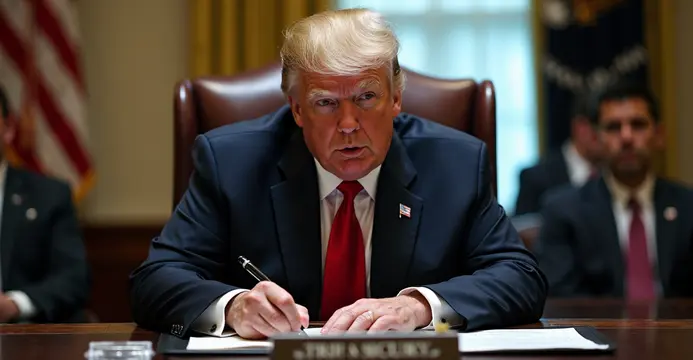
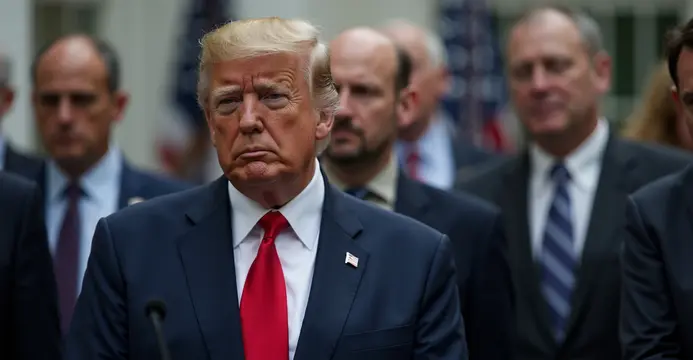
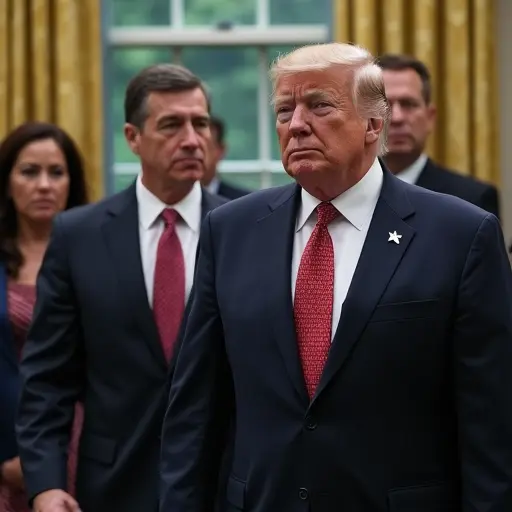
President Donald Trump has acknowledged the seriousness of the situation, telling reporters, 'Let's hope it's coincidence, but we're looking into it very seriously.' The White House is coordinating with federal agencies to ensure a comprehensive response. Energy Secretary Chris Wright confirmed his department's active involvement in the investigation, emphasizing the importance of protecting America's scientific workforce.
National Security Implications and Expert Analysis
Potential Threats to U.S. Scientific Leadership
The investigation raises significant questions about the security of America's scientific infrastructure. With many victims working on classified or sensitive projects, there are concerns about potential intellectual property theft or disruption of critical research programs. The U.S. nuclear weapons program employs thousands of researchers, and while individual losses may not cripple operations, a pattern of targeting could indicate broader security vulnerabilities.
Diverging Perspectives on the Threat
Not all officials share the same level of concern. James Walkinshaw, a member of the House Oversight Committee, noted, 'The U.S. has thousands of nuclear researchers. You can't influence the nuclear program by taking out ten individuals.' Some family members have also expressed skepticism about conspiracy theories, with one family stating, 'Scientists can die too. People shouldn't look for too much behind it.'
Comparison to Historical Security Threats
This investigation represents one of the largest coordinated looks at scientific personnel security since the Cold War era. The pattern differs from traditional espionage cases, which typically involve defection or information theft rather than physical disappearance or death. Security experts note that while individual cases might appear unrelated, the concentration in sensitive research areas warrants thorough investigation.
Investigation Timeline and Next Steps
The FBI investigation is expected to continue for several months as agents review evidence across multiple jurisdictions. Key next steps include:
- Forensic analysis of digital devices and communications
- International cooperation through legal channels
- Enhanced security protocols at research facilities
- Regular briefings to congressional oversight committees
The Department of Energy has already begun reviewing security procedures at national laboratories, while NASA has stated that nothing in their internal reviews indicates a direct threat to agency operations.
Frequently Asked Questions (FAQ)
How many scientists are involved in the FBI investigation?
The FBI is investigating at least ten confirmed cases of deaths or disappearances of American scientists working in nuclear and space research since 2022.
What organizations are the scientists from?
The affected scientists worked at NASA's Jet Propulsion Laboratory, Los Alamos National Laboratory, Caltech, MIT, and various defense contractors.
Has President Trump commented on the investigation?
Yes, President Donald Trump has called it 'a serious matter' and stated he hopes it's coincidence, while ordering a thorough investigation.
Are there any confirmed connections between the cases?
As of April 2026, no official connections have been confirmed, though the geographic and professional patterns have raised concerns.
What is the House Oversight Committee investigating?
The committee is examining whether there are national security implications and if proper security protocols were followed to protect scientific personnel.
How does this affect U.S. scientific research?
While individual losses are tragic, the broader U.S. space exploration program continues, though security measures are being reviewed at sensitive facilities.
Sources and References
This article is based on reporting from multiple sources including: CNN's investigative report, NBC Los Angeles coverage, Fortune magazine analysis, and official statements from the FBI and House Oversight Committee.

Follow Discussion