


 Deutsch
 English
 Español
 Français
 Nederlands
 Português


 Share
Share




Neuromarketing: The Science Behind Consumer Decisions
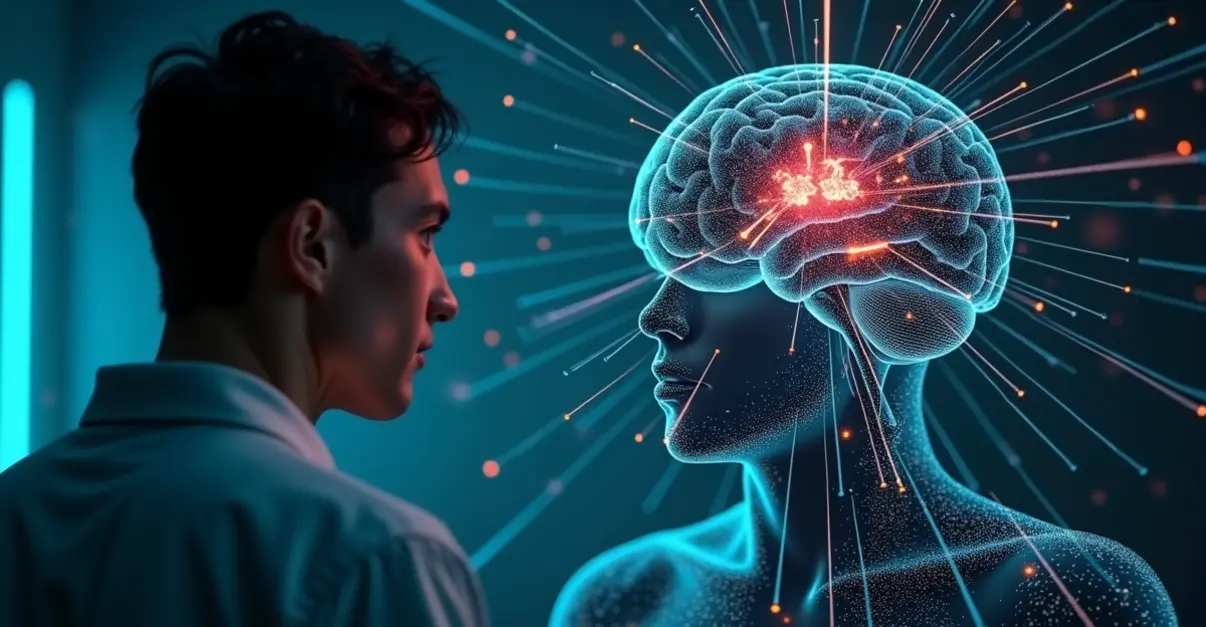
Neuromarketing, a cutting-edge field at the intersection of neuroscience and marketing, is revolutionizing how brands understand and influence consumer behavior. By leveraging advanced technologies like functional magnetic resonance imaging (fMRI), eye-tracking, and electroencephalograms (EEG), marketers can now delve into the subconscious reactions of consumers to advertisements and products.
The Tools of Neuromarketing
Neuromarketing employs a variety of tools to measure consumer responses. Brain scans, such as fMRI, reveal which areas of the brain are activated by specific marketing stimuli. Eye-tracking technology monitors where consumers focus their attention, while emotion sensors gauge physiological responses like heart rate and skin conductance. These tools provide a comprehensive picture of consumer engagement and emotional reactions.
Real-Time Insights and Applications
Recent advancements have introduced real-time neuromarketing tools, enabling brands to analyze consumer responses instantaneously. Technologies like real-time eye-tracking and biometric feedback allow for rapid optimization of advertisements and product interfaces. This immediacy is transforming how campaigns are developed and refined, ensuring maximum impact.
Ethical Considerations
While neuromarketing offers powerful insights, it also raises ethical questions. Critics argue that manipulating subconscious reactions could exploit consumers. However, proponents emphasize its potential to create more effective and less intrusive marketing strategies, ultimately benefiting both brands and consumers.





Follow Discussion