
 Deutsch
 English
 Español
 Français
 Nederlands
 Português

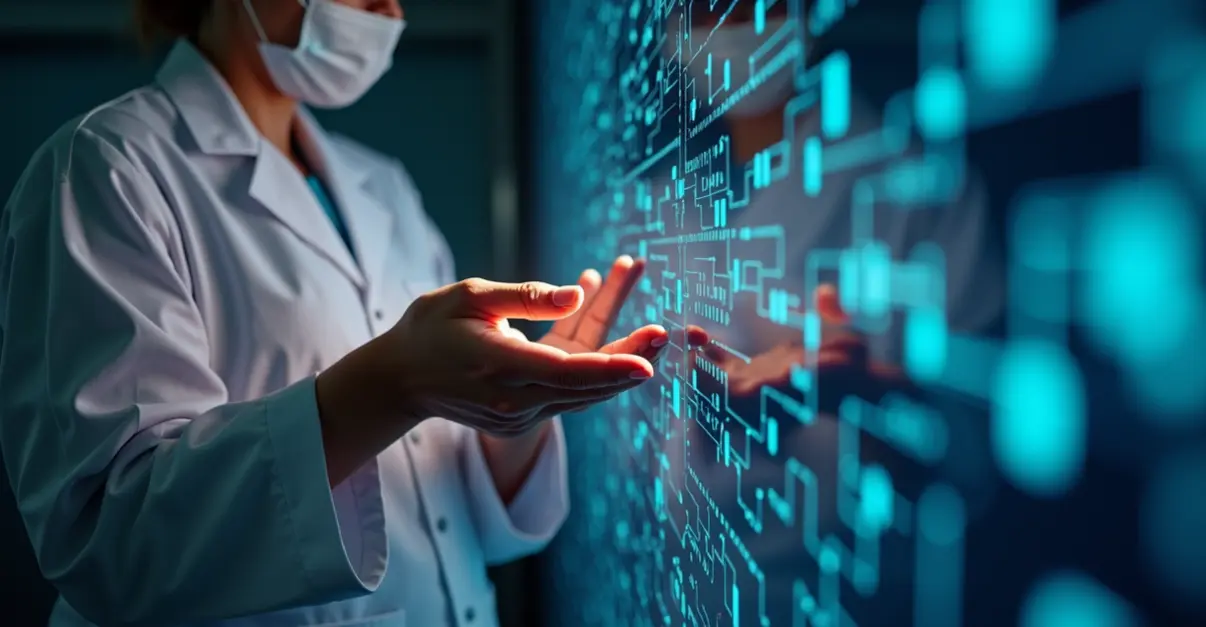





Computational Scans Reveal Existing Molecules for New Medical Uses
In a groundbreaking development for pharmaceutical research, artificial intelligence is revolutionizing how scientists discover new treatments by finding novel applications for existing drugs. Known as drug repurposing, this approach leverages computational power to scan thousands of approved medications for potential effectiveness against different diseases than originally intended.
The AI Revolution in Pharmaceutical Discovery
Traditional drug development is notoriously expensive and time-consuming, with estimates suggesting it takes over a decade and costs billions to bring a single new drug to market. 'AI offers a paradigm shift in how we approach drug discovery,' explains Dr. Harper Singh, a computational biologist specializing in pharmaceutical applications. 'By analyzing massive datasets of molecular structures, clinical trial data, and patient records, we can identify promising candidates in months rather than years.'
The process involves sophisticated machine learning algorithms that examine drug properties, biological pathways, and disease mechanisms. According to a 2025 review in Advanced Science, AI approaches in drug repurposing typically include deep learning for molecular property prediction, natural language processing for mining scientific literature, and network analysis for understanding drug-target interactions.
Recent Success Stories and Breakthroughs
Several notable successes have emerged from AI-driven repurposing efforts. The European Exscalate4Cov project identified raloxifene as a potential treatment for early-stage COVID-19 patients through computational screening. In oncology, drugs like mebendazole, disulfiram, and itraconazole—originally developed for parasitic infections, alcoholism, and fungal conditions respectively—are showing promise against various cancers.
'What's remarkable is how quickly these discoveries are translating to clinical applications,' notes Dr. Singh. 'Florida's $60 million Cancer Innovation Fund is already supporting AI platforms testing over 100 generic drugs on patient tumors, with computational approaches using graph neural networks and AlphaFold3 reducing candidate screening from months to hours.'
A 2025 oncology update reveals that the field has seen over 1,400 new publications and completion of more than 120 clinical trials, with several repurposed drugs achieving positive Phase II/III results.
How Computational Drug Repurposing Works
The methodology combines multiple data sources and analytical techniques. First, researchers gather information about drug molecular structures, known biological targets, and disease pathways. AI algorithms then search for unexpected connections—perhaps a medication developed for hypertension shares molecular characteristics with compounds known to affect cancer cell growth.
Nature Reviews Drug Discovery describes computational drug repurposing as using in silico approaches like machine learning, network analysis, molecular docking, and systems biology to identify new therapeutic applications. These methods excel at finding patterns humans might miss in complex datasets.
'The beauty of this approach is that we're working with compounds that already have established safety profiles,' says Dr. Singh. 'About 35% of transformative drugs approved by the FDA are repurposed products, and we bypass much of the early-stage safety testing that consumes so much time and resources in traditional development.'
Challenges and Future Directions
Despite the promise, significant hurdles remain. A major challenge is the lack of financial incentives for pharmaceutical companies to explore repurposing of generic drugs, as doctors can prescribe them off-label and pharmacists can substitute cheaper generic alternatives. 'If a generic version of a drug is available, developers have little opportunity to recoup their investment in developing it for a new indication,' explains Dr. Singh, referencing concerns raised by pharmacologist Alasdair Breckenridge.
Other challenges include dosage differences for new indications, regulatory pathways for repurposed drugs, and integration of diverse data sources. However, advances in explainable AI (XAI) are helping researchers understand why algorithms make specific predictions, increasing confidence in computational findings.
Looking forward, the field is moving toward more integrated approaches. A comprehensive review highlights how AI technologies are creating unified frameworks that span from target discovery to regulatory translation, incorporating translational signals like biomarkers and pathway constraints back into target selection and compound optimization.
The Broader Impact on Healthcare
AI-assisted drug repurposing represents more than just technological innovation—it offers hope for patients with rare diseases, neglected conditions, and cancers where traditional drug development has been slow to deliver solutions. By finding new uses for existing medications, researchers can potentially bring treatments to market faster and at lower cost.
'We're at the beginning of a transformation in how medicines are discovered,' concludes Dr. Singh. 'Computational approaches are democratizing drug discovery, allowing researchers worldwide to screen thousands of compounds virtually. In the next five years, drug repurposing may deliver more practice-changing, affordable therapies than traditional drug discovery achieved in the previous fifteen.'
The convergence of artificial intelligence, big data, and pharmaceutical science is creating unprecedented opportunities to address unmet medical needs, potentially reshaping healthcare delivery and making effective treatments more accessible globally.



Follow Discussion