


 Deutsch
 English
 Español
 Français
 Nederlands
 Português


 Share
Share




AI Revolution in Agriculture
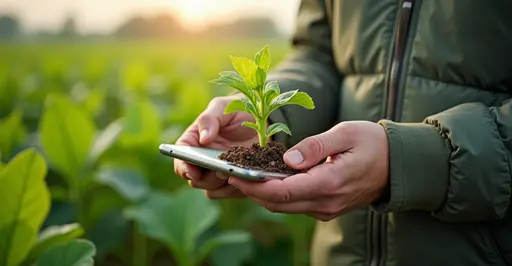
Farmers worldwide are embracing AI-driven crop yield forecasting systems to optimize their operations. These predictive analytics tools use satellite imagery, weather data, soil sensors, and drone footage to generate accurate harvest predictions months in advance. By analyzing historical patterns and real-time conditions, AI models can forecast yields with up to 95% accuracy according to recent studies.
How Predictive Analytics Transform Farming
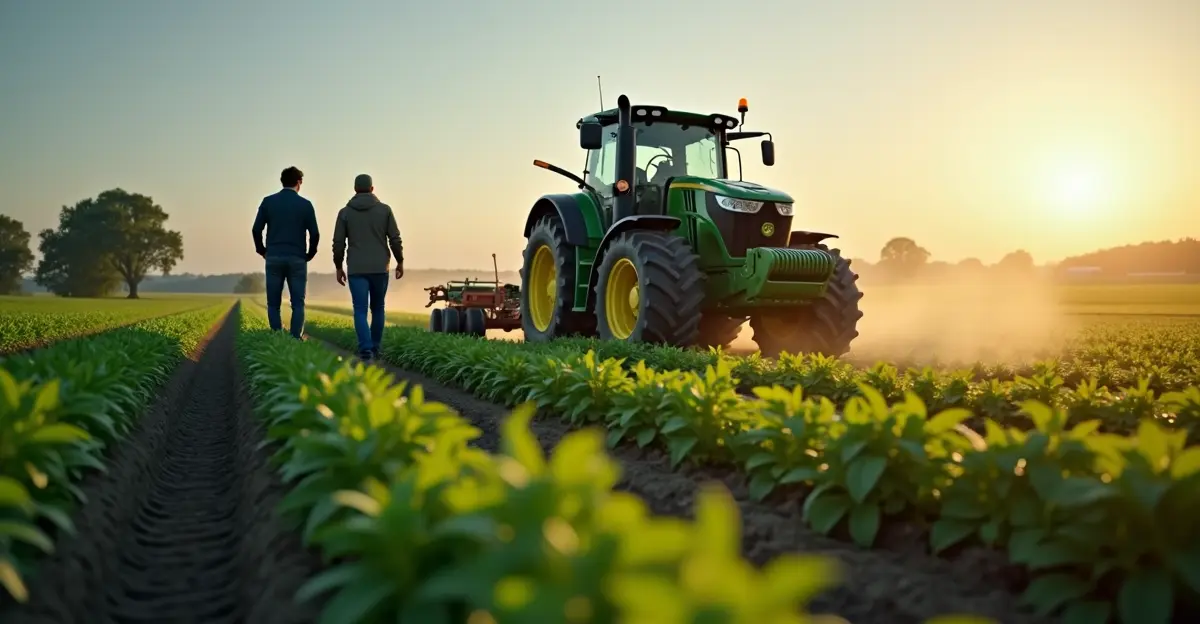
The technology enables farmers to make data-driven decisions about planting schedules, irrigation, and fertilizer application. Systems like CropX monitor soil moisture in real-time, while companies like John Deere have developed AI-powered equipment that automatically adjusts planting density based on soil quality. This precision agriculture approach reduces water usage by up to 30% and fertilizer application by 25%, significantly lowering costs while boosting sustainability.
Global Adoption Trends
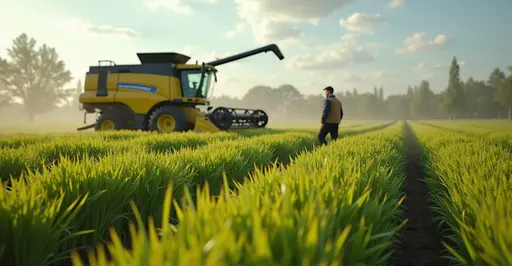
In 2025, over 65% of large-scale farms in North America and Europe have implemented some form of AI forecasting. Emerging economies are catching up rapidly, with government initiatives in India and Brazil subsidizing AI tools for smallholder farmers. The technology has proven particularly valuable in regions facing climate instability, where traditional farming methods struggle with unpredictable weather patterns.
Overcoming Implementation Challenges
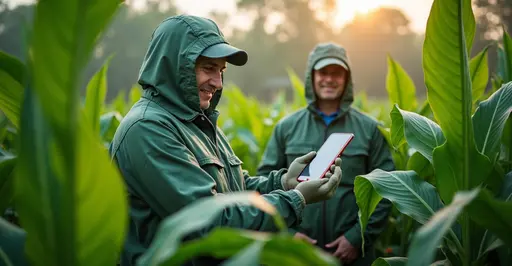
Despite the benefits, adoption faces hurdles. Initial setup costs remain high for small farms, and many farmers require training to interpret AI recommendations. Companies are addressing this through subscription-based models and farmer education programs. Data privacy concerns are being mitigated through blockchain-based solutions that give farmers full control over their information.
The Future of AI Farming
Research institutions are developing next-generation systems that integrate pest prediction and disease detection. The FAO predicts that AI could increase global food production by 25% by 2030. As algorithms improve and costs decrease, these technologies will become increasingly accessible, potentially revolutionizing food security worldwide.


Follow Discussion