


 Deutsch
 English
 Español
 Français
 Nederlands
 Português


 Share
Share




Massive International Aid Package Launched for Jamaica's Recovery
Jamaica has secured a comprehensive international support package worth US$6.7 billion over three years for recovery and reconstruction following the devastating Hurricane Melissa, which struck the island nation on October 28, 2025. The Category 5 hurricane caused estimated damages of US$8.8 billion, affecting over 626,000 people and claiming 45 lives. The coordinated effort involves multiple international financial institutions including the Caribbean Development Bank, Inter-American Development Bank Group, International Monetary Fund (IMF), and World Bank Group.
Damage Assessment Reveals Unprecedented Destruction
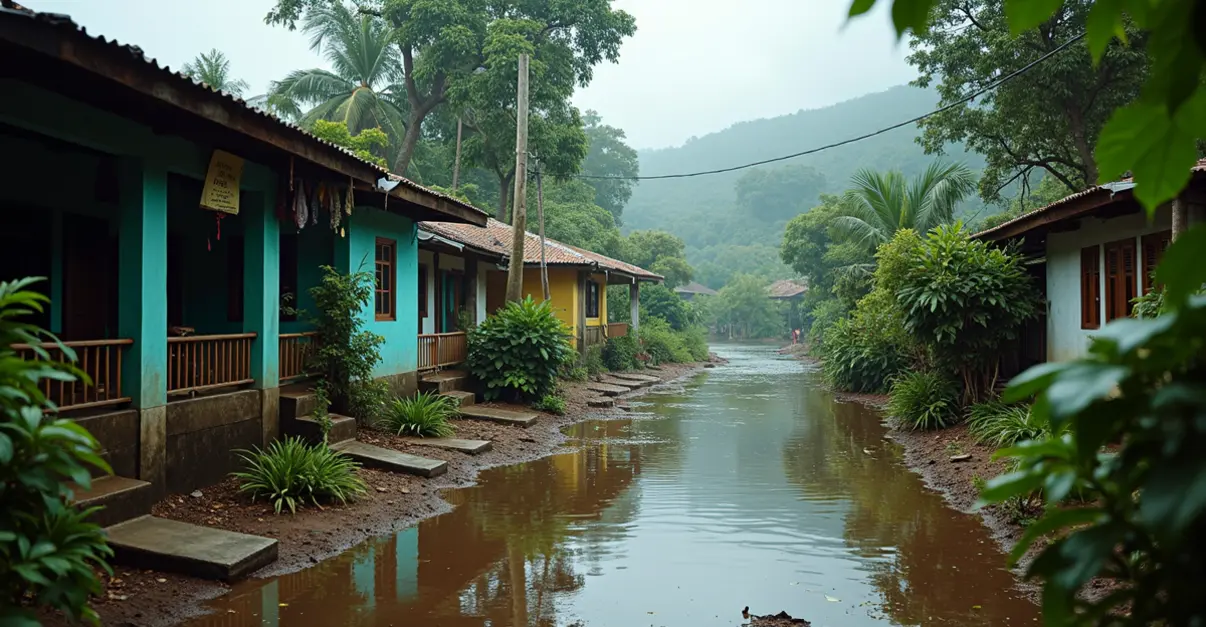
Preliminary damage assessments conducted in the weeks following the storm revealed staggering destruction across six parishes. According to United Nations reports, the hurricane caused between US$8-15 billion in damages - nearly a quarter of Jamaica's GDP. 'The scale of destruction is unprecedented in Jamaica's modern history,' said UN recovery coordinator Maria Rodriguez. 'We're looking at 120,000 buildings that lost roofs, mostly in southwestern Jamaica, and 450 schools suffering significant damage - that's two-thirds of the nation's educational institutions.'
The hurricane severely disrupted essential services, leaving western parishes without electricity for weeks and damaging critical infrastructure. Jamaica's economic pillars - tourism and agriculture - suffered extensive damage, threatening thousands of jobs and livelihoods. The official Support Jamaica portal has become the central hub for coordinating relief efforts, allowing users to report incidents, donate to relief funds, and register as volunteers.
Relief Logistics and Immediate Response
In the immediate aftermath, Jamaica's robust disaster risk financing framework enabled immediate access to US$662 million for urgent response needs. This allowed for rapid deployment of emergency supplies and services. World Central Kitchen served over 1 million meals in the first month, while the Red Cross mobilized thousands of volunteers across affected areas.
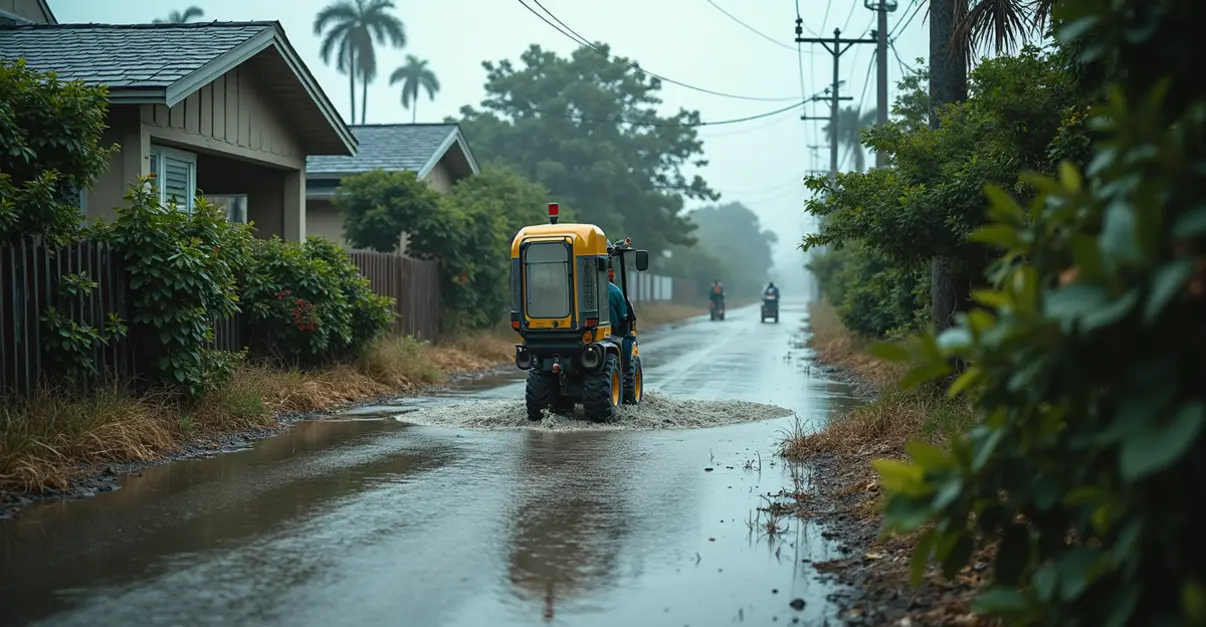
'Our distributed emergency logistics system proved crucial in overcoming communication breakdowns,' explained logistics coordinator David Thompson. 'Each vehicle acted as an independent agent gathering real-time information and coordinating with others - this approach minimized delays that have plagued previous disaster responses.' Research published in Scientific Reports highlights how such distributed systems can revolutionize last-mile logistics for delivering relief supplies in disaster-damaged environments.
Three-Year Reconstruction Timeline
The US$6.7 billion package includes US$3.6 billion in financial support for government recovery programs, US$12 million in technical assistance grants, and aims to mobilize US$2.4 billion in private investment. The IMF component provides access to up to US$415 million through the Rapid Financing Instrument's natural disaster window.
'This isn't just about rebuilding what was lost,' said Jamaican Prime Minister Andrew Holness. 'We're building back better with climate-resilient infrastructure that can withstand future storms. Our three-year timeline focuses on phased recovery - immediate relief, medium-term reconstruction, and long-term resilience building.'
The recovery plan follows principles outlined in FEMA's National Disaster Recovery Framework, emphasizing restoration of health, social, economic, natural, and environmental systems while building resilience against future disasters.
Challenges and Future Preparedness
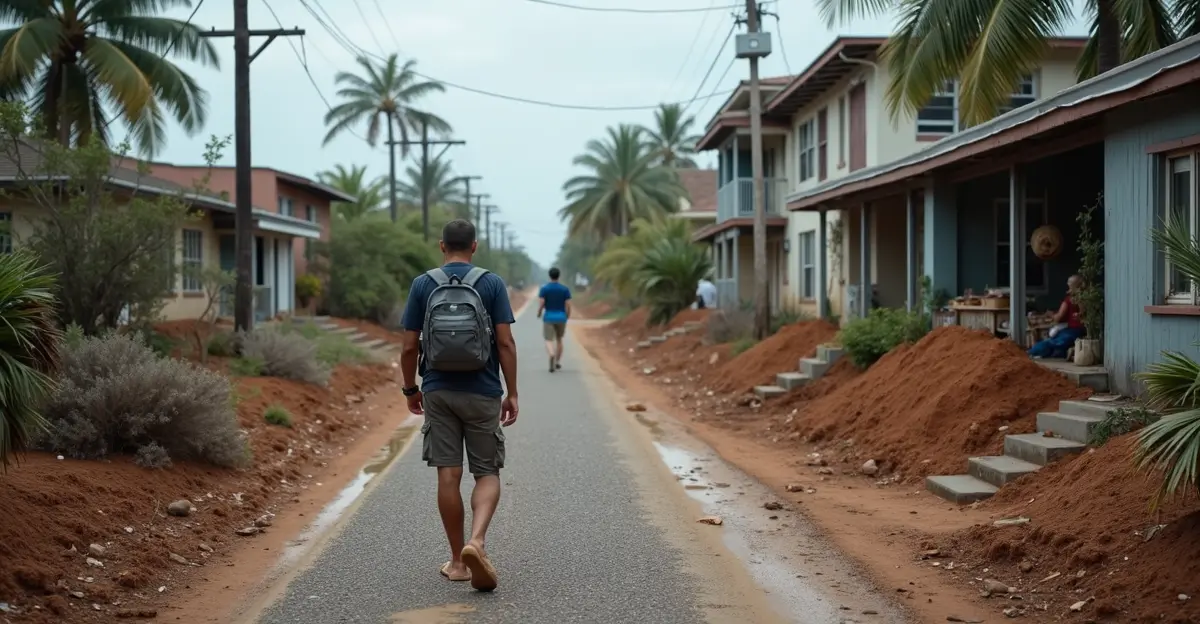
Fifty days after the hurricane, 90 emergency shelters remain operational with nearly 950 displaced people. The recovery faces significant challenges including restoring health services, supporting education continuity, repairing homes and infrastructure, and helping small farmers and businesses rebuild.
'The lessons from Tropical Storm Allison in 2001 and other disasters have informed our approach,' noted disaster management expert Dr. Sarah Johnson. 'We're applying updated Preliminary Damage Assessment methods from the 2025 FEMA guide to ensure accurate damage quantification and efficient resource allocation.'
The international community's unified commitment represents a model for disaster recovery in an era of increasing climate-related extreme weather events. As Jamaica begins its three-year recovery journey, the world watches how this small island nation transforms disaster recovery into an opportunity for community strengthening and climate resilience.

Follow Discussion