
 Deutsch
 English
 Español
 Français
 Nederlands
 Português






Winter Weather Wreaks Havoc Across Northern Europe
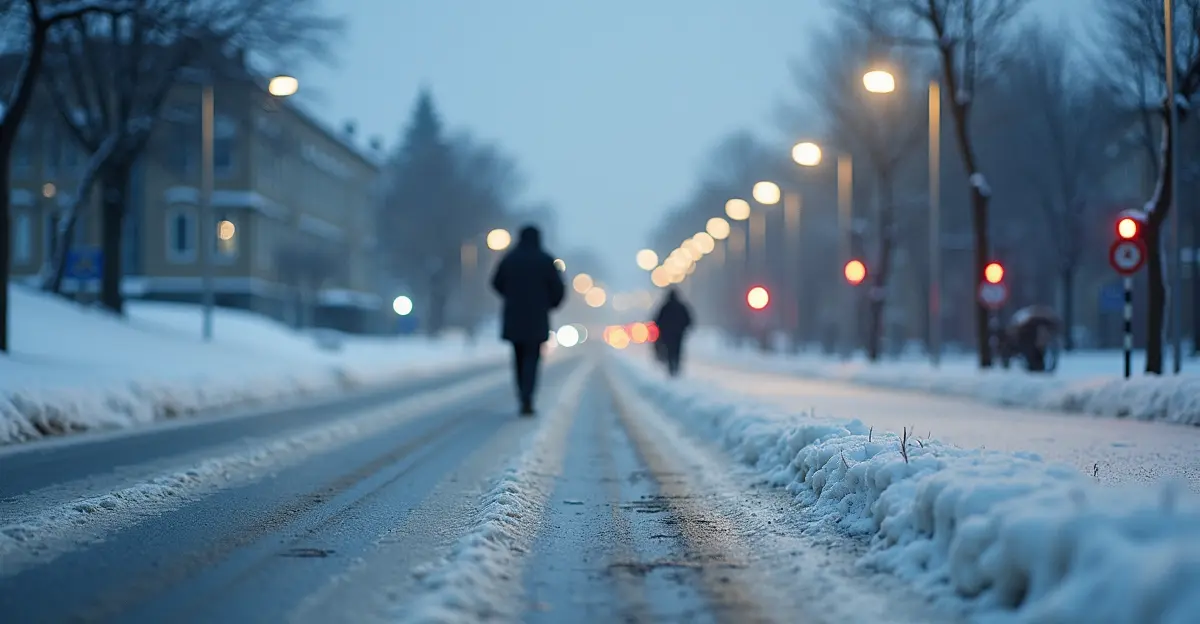
Extreme winter weather conditions have created dangerous black ice across Germany, leading to hundreds of accidents and overwhelming emergency services during the Christmas holiday period. The situation has prompted weather warnings in both Germany and the Netherlands as freezing temperatures continue to grip the region.
German Emergency Services Overwhelmed
In Berlin alone, police reported 565 traffic accidents between Friday afternoon and Saturday morning as black ice turned roads into treacherous skating rinks. The hazardous conditions resulted from freezing temperatures combined with drizzle that created a thin, nearly invisible layer of ice on road surfaces. 'Our emergency rooms are completely overloaded with patients suffering from bone fractures and other ice-related injuries,' said a spokesperson for Berlin's Charité hospital, speaking to local media.
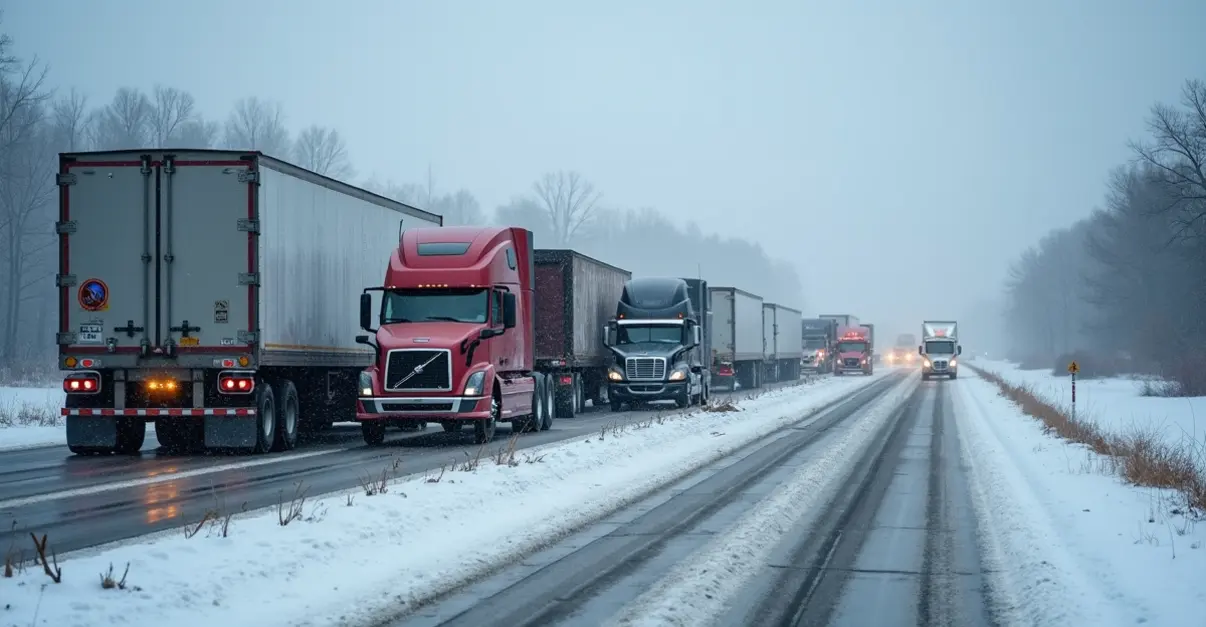
The situation was particularly severe in North Rhine-Westphalia, where dozens of accidents were reported on Christmas Day. The Westdeutscher Rundfunk (WDR) broadcaster noted that the eastern part of the region was especially affected, with multiple collisions occurring on major highways including the A1 where damaged cars littered the roadway after ice-related crashes.
Coldest Christmas in 15 Years
Germany is experiencing its coldest Christmas period since 2010, with temperatures plunging to -12.1°C in Harzgerode, Saxony-Anhalt. The extreme cold snap, caused by a high-pressure system from the northeast, has created hazardous winter conditions across multiple states. While snowfall has been limited to higher altitudes, the main danger has come from icy roads that have caused collisions and disruptions nationwide.
According to weather reports, the German Weather Service (DWD) has warned that the black ice hazard will continue through Friday, with freezing rain and sleet expected to maintain dangerous conditions. Authorities have advised extreme caution for road users throughout central Germany until at least mid-morning.
Dutch Weather Service Issues Warning
Meanwhile, the Royal Netherlands Meteorological Institute (KNMI) has issued a code yellow warning for ice across six northern provinces. The warning, valid until 10:00 AM, covers Friesland, Groningen, Drenthe, Overijssel, Gelderland, and Flevoland, where freezing of wet road sections is creating hazardous driving conditions.
'We're seeing dangerous conditions develop overnight as temperatures drop below freezing,' explained a KNMI meteorologist. 'The main risk comes from black ice forming on roads that appear wet but are actually frozen.' The institute uses a color-coded warning system with code yellow indicating a chance of dangerous weather, code orange for high probability of dangerous weather with significant impact, and code red for extreme conditions with major societal impact.
Previous Accidents Highlight Danger
The current warnings come after several serious accidents earlier in the week. On Thursday and Friday, freezing conditions led to five fatalities from car accidents in the Netherlands. A serious head-on collision occurred on the N366 in Groningen where one driver was seriously injured, while on the N34 near Borger, multiple cars skidded off the road.
In Germany, the situation reached crisis levels in some hospitals. In Potsdam, the Ernst von Bergmann Hospital treated over 80 injured individuals in what was described as a mass casualty event. Public transportation was also disrupted, with bus services suspended in Potsdam due to the dangerous conditions.
Safety Recommendations
Authorities in both countries are urging extreme caution. German medical professionals have advised pedestrians to adopt the "penguin walk" technique - taking small, flat-footed steps with weight centered over the front leg - to reduce the risk of falls. Drivers are being told to reduce speed significantly, increase following distances, and avoid sudden maneuvers.
The KNMI warning system is designed to enable timely preparation for dangerous weather conditions. 'Our goal is to contribute to a safe and accessible Netherlands by providing advance warning of hazardous conditions,' stated a KNMI representative in their official documentation.
Weather Outlook
Forecasts predict continued frost, drizzle, and a severe winter outbreak expected around New Year's Eve, with potential snow at low elevations and severe frost nationwide. Germany faces a harsh start to 2026 as the cold snap shows little sign of abating.
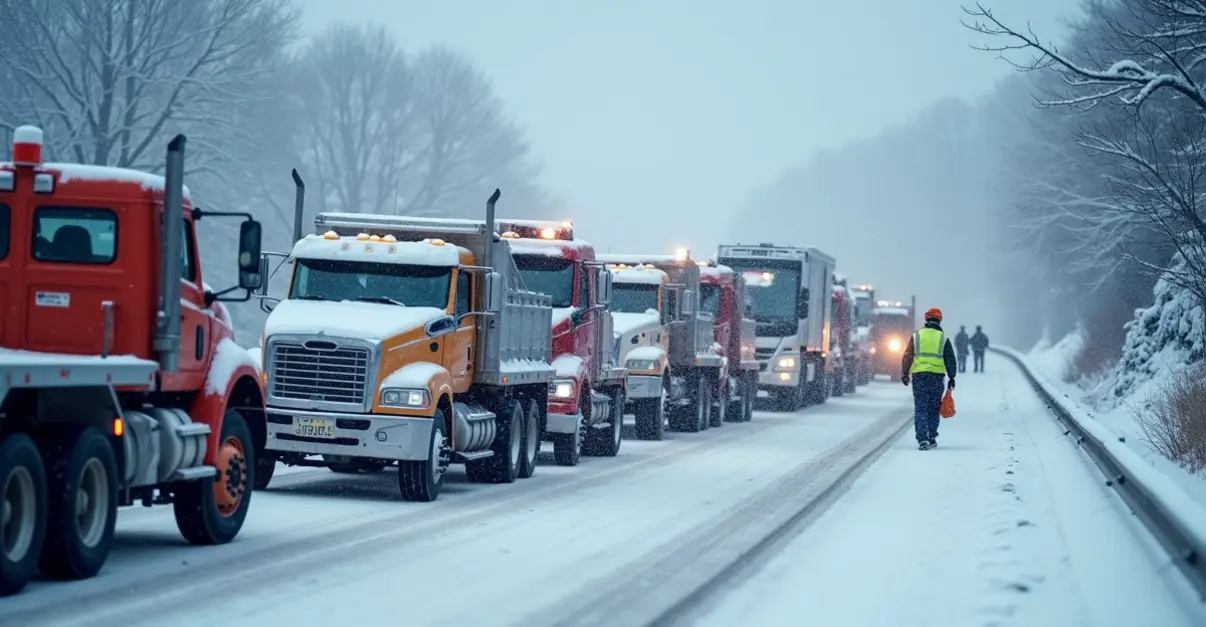
As both countries grapple with the winter weather, authorities emphasize that the greatest danger often comes from black ice - a thin, transparent layer of ice that forms on roadways and is particularly difficult to see, especially at night or in low light conditions. Road maintenance crews have been working around the clock to salt and grit major routes, but secondary roads and pedestrian areas remain hazardous.
Follow Discussion