Nederlands
 English
 Deutsch
 Français
 Español
 Português
Analysis of renewed Grain Safe Passage Agreement talks amid 2025-2026 trade volatility, examining impacts on global food security, agricultural markets, and policy crossroads facing farming communities worldwide.
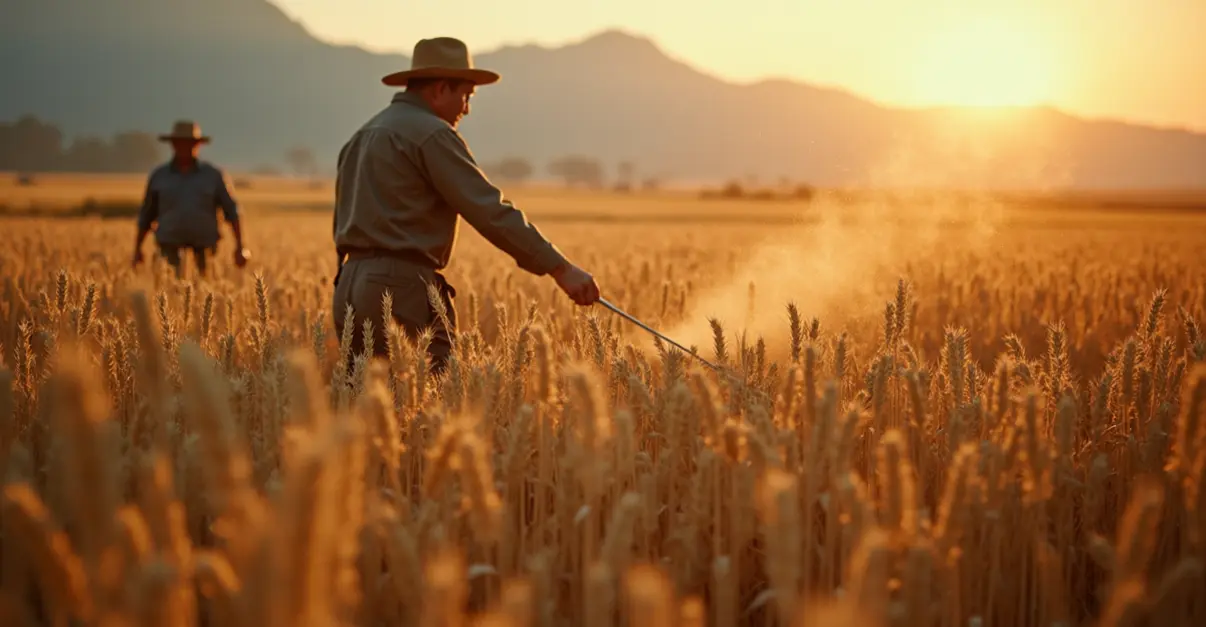
Reviving the Black Sea Grain Corridor: A 2026 Policy Imperative
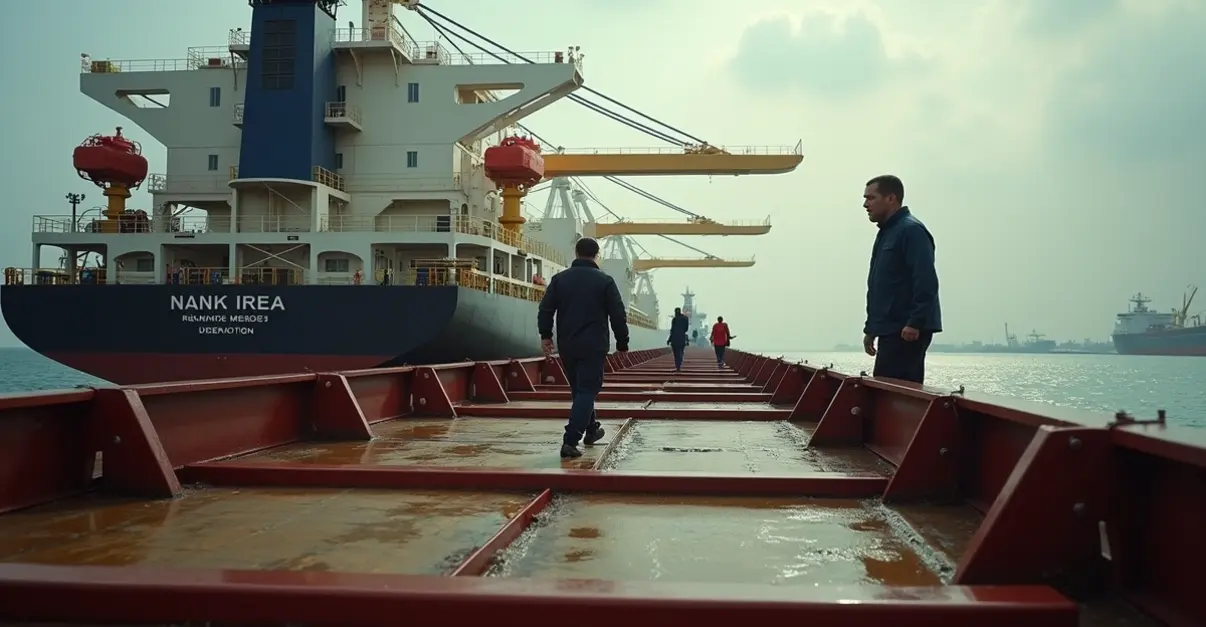
As global food security faces renewed pressure in 2025-2026, discussions about reviving the Grain Safe Passage Agreement—commonly known as the Black Sea Grain Initiative—have taken center stage in international trade diplomacy. The original agreement, which operated from July 2022 to July 2023, successfully transported nearly 33 million tonnes of grain and food products via over 1,000 voyages to 45 countries before Russia withdrew. Now, with Russia expressing interest in restarting talks during U.S. discussions in Riyadh, the agricultural world watches closely.
Market Implications and Policy Uncertainty
The agricultural industry has faced significant volatility in 2025, driven primarily by changing U.S. trade policy rather than traditional shocks. President Trump's 'Liberation Day' reciprocal tariff scheme created uncertainty across supply chains, leading to increased crop input and machinery prices while commodity prices dropped. 'The 2026 policy landscape presents a critical crossroads for U.S. agriculture with multiple converging deadlines and political pressures,' notes analysis from agricultural policy experts. Trade alliances have shifted as Brazil moved closer to China, impacting U.S. soybean exports significantly.
Kremlin spokesperson Dmitry Peskov confirmed that Russia plans to discuss reviving the Black Sea grain agreement during U.S. talks, stating discussions will focus on ensuring shipping safety. Meanwhile, Ukrainian presidential advisor Serhiy Leshchenko indicated the talks also include halting shelling of Ukrainian ports in Mykolaiv and Kherson. 'Ukraine's grain corridor will continue functioning despite Russian attacks,' affirmed President Zelenskyy on March 18, 2025.
Agricultural Communities at Risk
Developing countries in Africa, Asia, and Latin America remain most vulnerable to grain market disruptions. In 2022, an estimated 47 million people experienced severe hunger as a result of rising food costs partly due to the impact of the Russian invasion of Ukraine. According to the UN Food and Agriculture Organization, Ukraine is a leading grain exporter, providing more than 45 million tonnes annually to the global market. Some 20 million tonnes of grain had been held up in the Ukrainian port city of Odesa before the original agreement.
Andriy Klymenko of the Institute for Black Sea Strategic Studies dismissed Russia's proposal, noting Ukraine will not consider it without genuine security guarantees. 'Russia's demands for restarting the initiative include a rollback of sanctions and restrictions affecting its agricultural trade,' according to CSIS analysis. 'However, Russia actually increased its agricultural exports by 7% from 2023 to 2024, and Black Sea agricultural trade has largely normalized since the early stages of the war.'
The 2026 Farm Policy Outlook
Looking ahead to 2026, U.S. mid-term elections and Brazil's presidential election could further reshape agricultural policy. The Trump administration responded to volatility with a $12 billion farmer bailout funded by tariffs and a $600 million commitment to regenerative agriculture. Brazil leveraged its agricultural sector at COP30 to showcase climate innovation leadership.
The Mercosur-EU trade deal negotiations progressed after 26 years, though facing resistance from France and Italy. 'Trade tensions and policy uncertainty loom large for 2026,' reports agricultural market analysts, emphasizing how geopolitical conflicts, changing trade agreements, and uncertain government policies will impact commodity prices, export markets, and farm profitability.
Alternative Routes and Future Prospects
Ukraine has secured alternative export routes, making a new agreement potentially unnecessary unless Russia provides genuine security guarantees for Ukrainian ports. The original agreement was structured as separate 'mirror' deals between each warring party and Turkey/UN rather than a direct Russia-Ukraine agreement. This diplomatic structure allowed the 2022-2023 initiative to function despite ongoing hostilities.
As the world approaches 2026, the Grain Safe Passage Agreement represents more than just a trade mechanism—it's a litmus test for global cooperation on food security. With farm policy uncertainty in Congress considering additional farmer aid packages due to limited USDA funding authority, and the farm bill extension through September 2026 merely postponing deep political disagreements, the stakes couldn't be higher for agricultural communities worldwide.