Deutsch
 English
 Español
 Français
 Nederlands
 Português






NATO's Historic Defense Spending Commitment
The 2025 NATO Summit in The Hague has produced what alliance leaders are calling a 'historic turning point' in transatlantic security. In a landmark declaration issued on June 25, 2025, the 32-member alliance committed to investing 5% of their collective GDP annually on defense and security by 2035. This represents a significant escalation from the previous 2% target that many members struggled to meet.
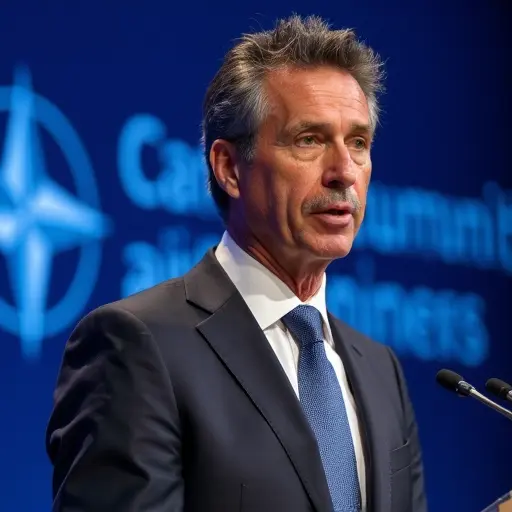
The Hague Summit Declaration outlines a detailed spending framework: 3.5% of GDP will be allocated to core defense requirements and NATO Capability Targets, while up to 1.5% can be directed toward critical infrastructure protection, cybersecurity, civil preparedness, innovation, and strengthening the defense industrial base. 'This is not just about meeting targets—it's about fundamentally transforming our collective defense posture for the 21st century,' said NATO Secretary General Jens Stoltenberg in his closing remarks.
Strategic Posture and Deployment Shifts
The summit outcomes reflect a fundamental shift in NATO's strategic thinking. With Russia's ongoing war in Ukraine entering its fourth year, alliance leaders have moved from reactive measures to proactive, long-term planning. The declaration explicitly identifies Russia as a 'long-term threat' while maintaining diplomatic channels for de-escalation.
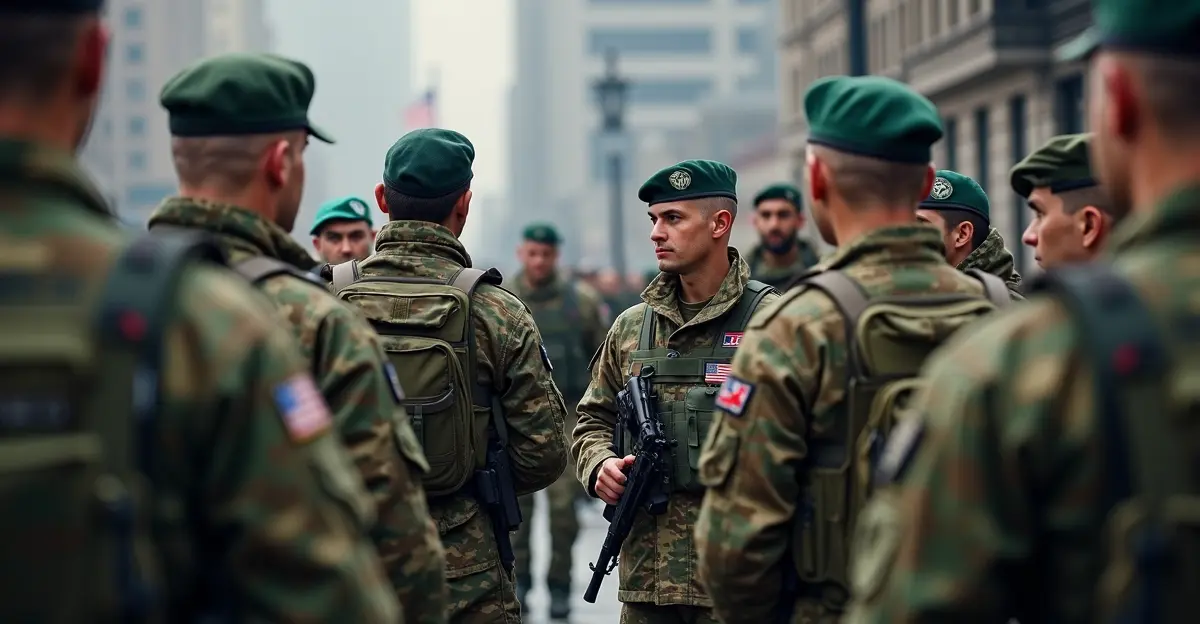
Deployment strategies received significant attention, with plans to permanently station more troops in Eastern European member states. 'We're moving from rotational forces to persistent presence in our eastern flank,' explained a senior NATO military official who spoke on condition of anonymity. 'This sends a clear deterrent message while allowing for better training and integration with host nations.'
The alliance also committed to expanding its rapid reaction forces and enhancing air and missile defense systems across member states. These deployments are designed to counter what NATO intelligence assessments describe as 'increasingly sophisticated hybrid threats' combining conventional military pressure with cyberattacks and disinformation campaigns.
Ukraine Support and Membership Questions
While the summit reaffirmed NATO's 'ironclad commitment' to Article 5 collective defense, questions about Ukraine's potential membership remained unresolved. The declaration states that 'Ukraine's security is integral to the security of the Euro-Atlantic area' but stopped short of offering a clear membership timeline.
Instead, NATO leaders agreed to include direct contributions to Ukraine's defense in their spending calculations—a significant policy shift that acknowledges the interconnected nature of European security. 'Every euro spent defending Ukraine is an investment in preventing wider conflict,' noted Polish President Andrzej Duda during summit discussions.
The alliance also announced enhanced training programs for Ukrainian forces and continued military assistance, though specific funding amounts were not disclosed. This approach reflects what analysts describe as a 'balancing act' between supporting Ukraine's defense while avoiding actions that could escalate the conflict into a direct NATO-Russia confrontation.
Transatlantic Defense Industrial Cooperation
One of the summit's most concrete outcomes involves defense industrial policy. NATO members committed to eliminating trade barriers and expanding transatlantic defense industrial cooperation. This includes joint development of next-generation weapons systems and streamlined procurement processes.
'We can't have 32 different defense industries working in isolation,' said French President Emmanuel Macron. 'The scale of current threats demands integrated production and innovation across the Atlantic.'
The declaration specifically mentions emerging technologies like artificial intelligence, quantum computing, and hypersonic weapons as priority areas for collaborative development. This technological focus represents a recognition that future conflicts will be won as much in research laboratories as on battlefields.
Broader Security Implications
Beyond immediate defense concerns, the summit addressed broader security challenges including climate change's impact on military operations, particularly in the Arctic region. NATO leaders acknowledged that melting ice caps are creating new strategic vulnerabilities while opening previously inaccessible areas to potential conflict.
The alliance also maintained its strategic outreach to Indo-Pacific partners, reflecting growing concerns about China's military expansion. While careful to avoid framing this as containment, the declaration emphasizes 'shared security interests' with partners like Japan, South Korea, and Australia.
The spending trajectory will be reviewed in 2029 based on strategic environment assessments, creating a built-in mechanism for adjustment as threats evolve. This flexible approach acknowledges the unpredictable nature of 21st-century security challenges while providing clear direction for the coming decade.
As European Commission President Ursula von der Leyen noted: 'The Hague Summit marks a watershed moment for European security. We're moving from aspiration to implementation, from promises to concrete commitments that will shape our defense landscape for generations.'