
 Deutsch
 English
 Español
 Français
 Nederlands
 Português






Germany Faces Dual Bank Security Incidents
Germany is confronting two major security incidents at banks within days of each other, raising serious questions about the safety of customer assets in German financial institutions. Following the spectacular Ocean's Eleven-style heist in Gelsenkirchen where thieves made off with an estimated €30-€105 million, authorities have now revealed a second major theft at a Sparkasse bank in Bonn where 20 kilograms of gold worth approximately €2.2 million were stolen.
The Bonn Gold Theft: An Inside Job?
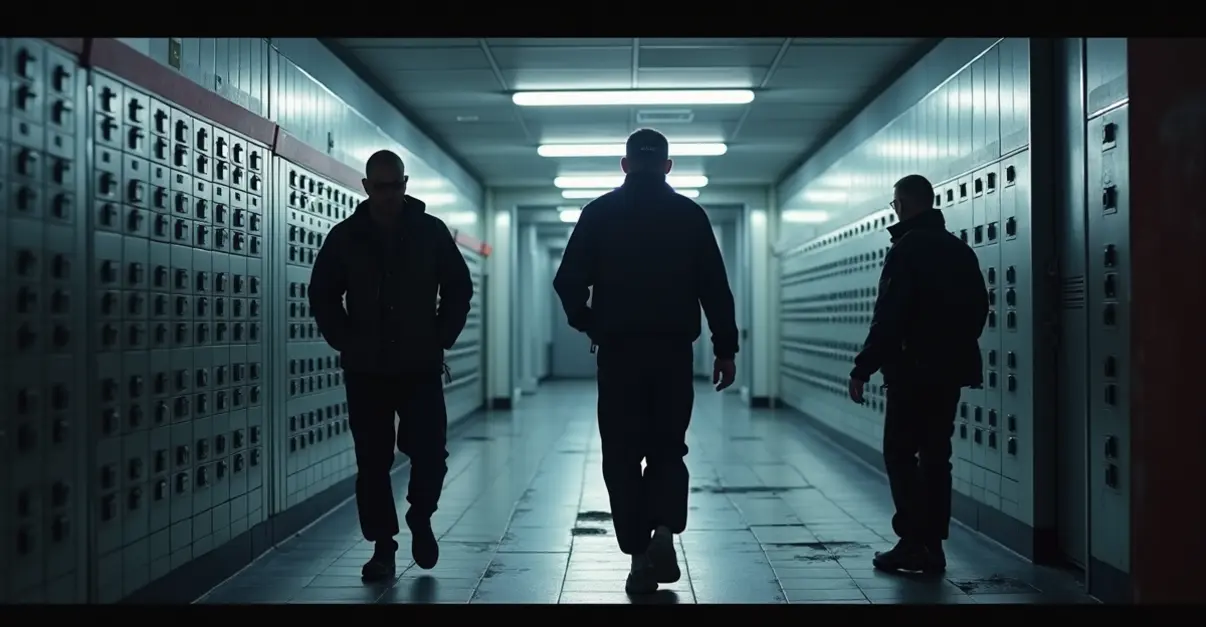
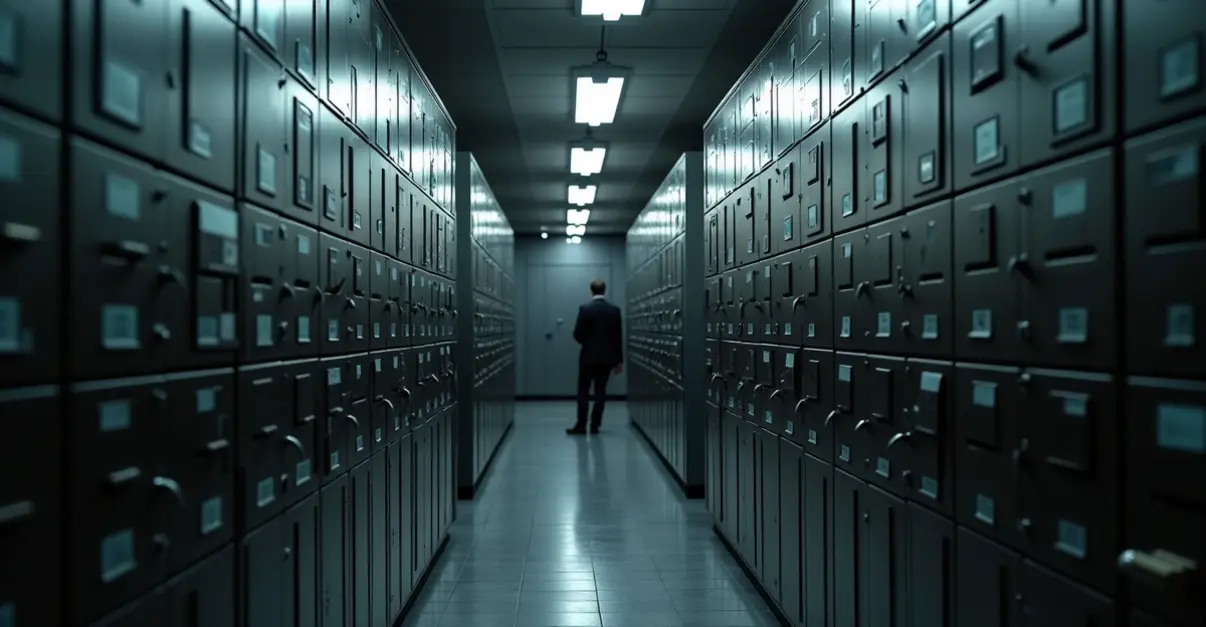
In what appears to be a completely different type of security breach, a bank employee at the Sparkasse KölnBonn branch in Bonn's Friedensplatz is suspected of stealing the substantial gold stock. According to police reports, the employee allegedly gained unauthorized access to two safe deposit boxes in mid-December, although the news only became public on December 31, 2025. 'We have opened a criminal investigation against the employee,' confirmed a spokesperson for the North Rhine-Westphalia police. 'The investigation has been ongoing since December 17, both internally and by police authorities.'
The Sparkasse bank acknowledged the security incident and stated it was in contact with affected customers. The theft method represents a different vulnerability than the Gelsenkirchen case - instead of advanced external drilling equipment, this appears to be an internal security failure. 'This shows that threats can come from both outside and inside our institutions,' noted bank security expert Dr. Klaus Weber in an interview. 'While we focus on preventing external attacks, we must not neglect internal controls and monitoring systems.'
Gelsenkirchen: A Spectacular External Attack
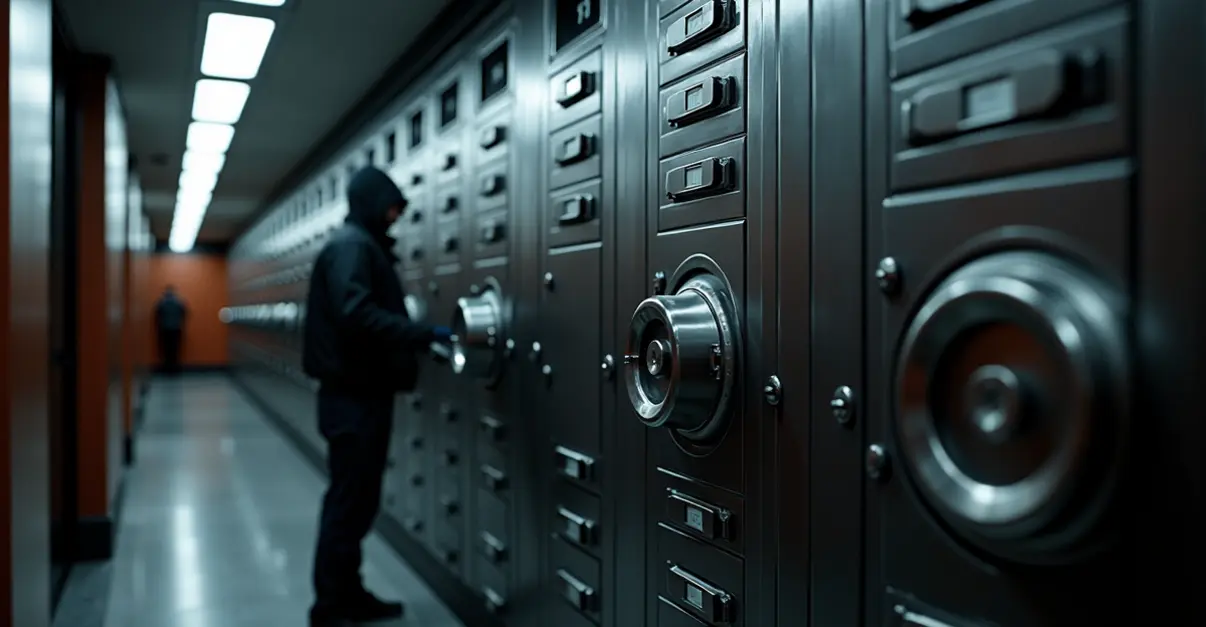
The Gelsenkirchen robbery, discovered on December 29, represents one of the largest bank heists in German history. Thieves used what police describe as 'specialized drilling equipment not available at a hardware store' to drill through multiple walls from an adjacent parking garage. They gained access to approximately 3,000 of the 3,250 safe deposit boxes and looted cash, gold, jewelry, and other valuables.
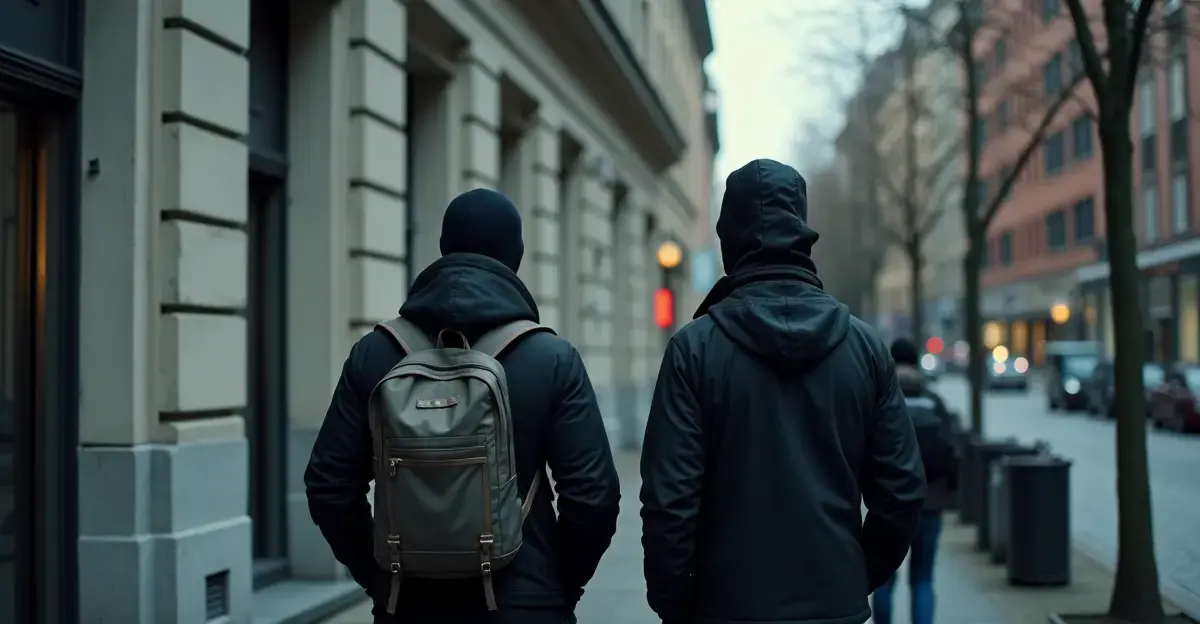
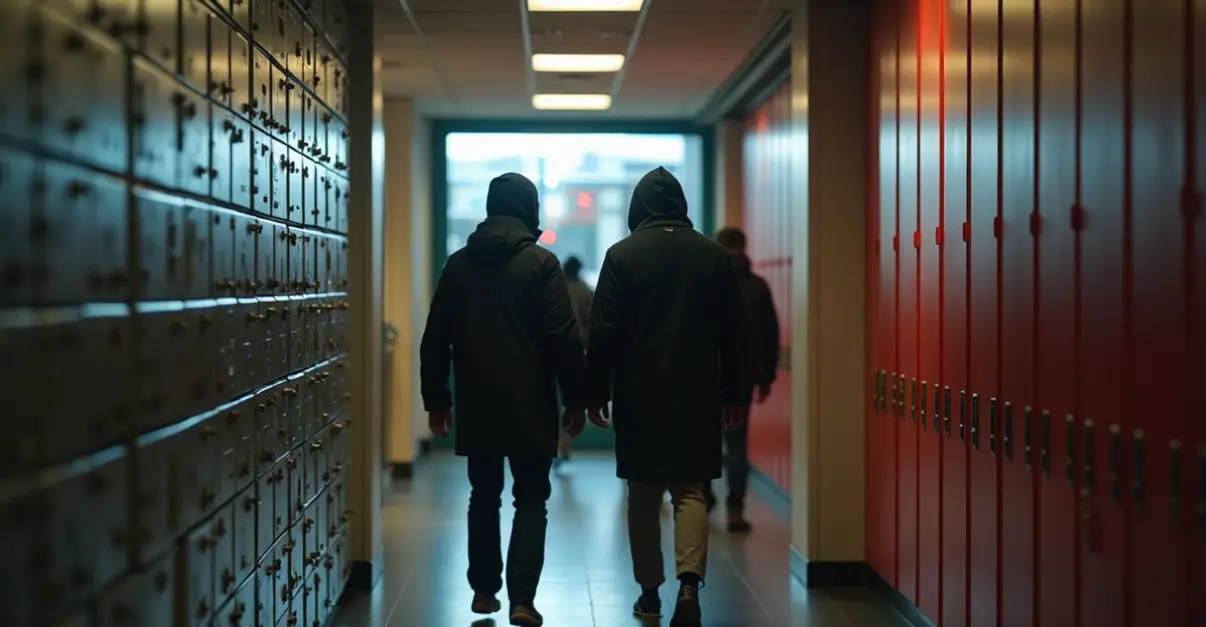
Security footage released by German media shows two masked individuals, the suspected getaway car, and another vehicle in the parking garage. Notably, one of the masked figures is seen paying for parking with coins at a meter. The thieves are still at large, with police calling for witnesses who heard suspicious noises or saw unusual activity around the bank during the holidays.
Sparkasse Security Under Scrutiny
The dual incidents have placed the German Sparkasse banking network - the largest financial services group in Germany and Europe by assets - under intense scrutiny. Sparkassen are public banks controlled by local governments, with a history dating back to 1778 when the first modern savings bank was founded in Hamburg. Today they form a crucial part of the German financial infrastructure.
'These incidents highlight serious vulnerabilities in our banking security systems,' said consumer protection lawyer Maria Schmidt. 'Customers entrust banks with their life savings and valuables, and this trust has been seriously damaged. We need immediate assessments of security protocols at all financial institutions.'
Customer Consequences and Insurance Questions
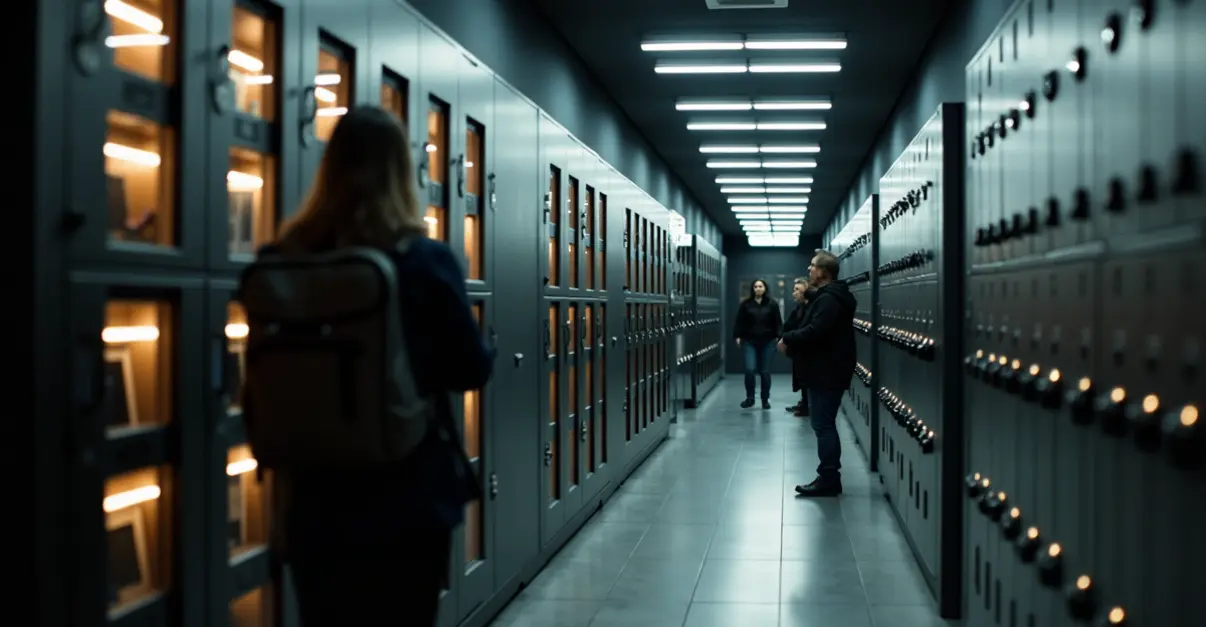
Hundreds of affected customers have gathered outside both banks, demanding answers and access to their safe deposit boxes. The emotional toll is significant, with many reporting losses of family heirlooms, important documents, and life savings. 'Everything I've worked for my entire life is gone,' a distraught customer told reporters outside the Gelsenkirchen branch.
Insurance coverage for safe deposit contents varies significantly, with many customers discovering their losses may not be fully covered. German banking regulations require banks to have insurance, but policy limits and exclusions often leave customers with substantial uncovered losses. 'We are working with insurers to process claims as quickly as possible,' stated a Sparkasse representative, although many customers remain skeptical about adequate compensation.
Investigation and Security Review
German authorities are conducting parallel investigations into both incidents. The Bonn case focuses on internal security protocols and employee screening, while the Gelsenkirchen investigation involves multiple police departments searching for what appears to be a highly organized criminal gang.
Bank experts are calling for immediate security reviews across the entire financial sector. Recommendations include improved physical security measures, better monitoring of employee access to sensitive areas, upgraded alarm systems, and better coordination between banks and law enforcement. 'This should be a wake-up call for the entire banking industry,' concluded security consultant Thomas Bauer. 'We need to implement 21st-century security solutions for 21st-century threats.'
As investigations continue, German bank customers remain concerned about the safety of their possessions, while authorities work to restore trust in the country's financial institutions.

Follow Discussion