Nederlands
 English
Over 500,000 people evacuated as Thailand-Cambodia border conflict escalates, centered on century-old Preah Vihear temple dispute. Fighting defies Trump-brokered ceasefire, prompting urgent international travel warnings.
Half a Million Flee as Border Conflict Reignites
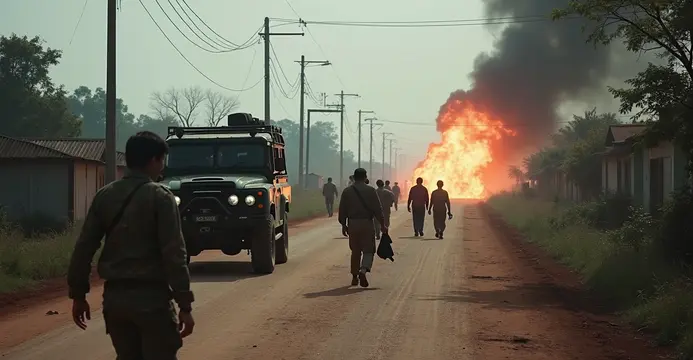
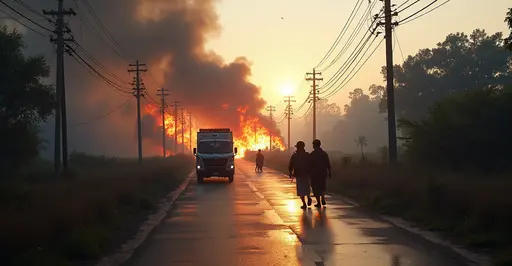
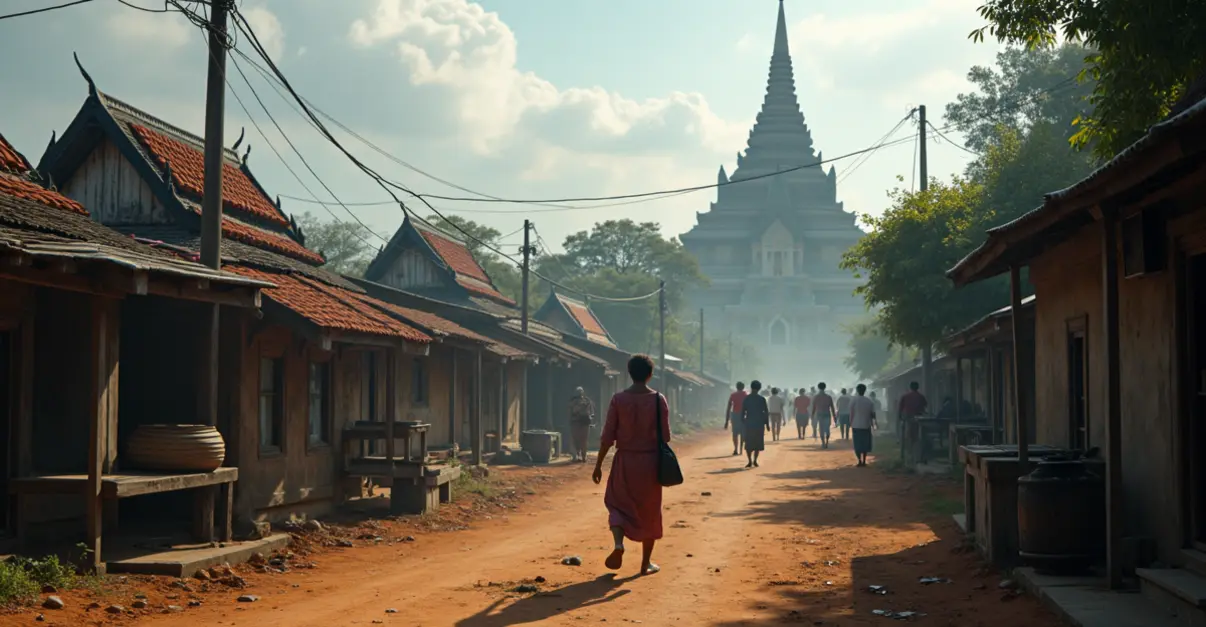
More than 500,000 people have been forced to evacuate their homes along the disputed Thailand-Cambodia border as renewed fighting between the two Southeast Asian nations escalates into a major humanitarian crisis. According to government reports from both countries, Thailand has evacuated over 400,000 civilians to safe shelters across seven provinces, while Cambodia has moved more than 100,000 people to temporary accommodations in five provinces.
Escalating Hostilities and Conflicting Claims
The latest clashes began on December 8, 2025, when Thailand launched airstrikes into Cambodian territory, claiming retaliation for Cambodian attacks on Thai border posts. Cambodia denies initiating hostilities and reports significant civilian casualties. 'We are fighting because Thailand attacked first,' stated a Cambodian defense ministry spokesperson. Thailand's Foreign Minister Sihasak Phuangketkeow countered, 'Military action will continue until our sovereignty is no longer challenged.'
The conflict represents the most serious escalation since a deadly five-day confrontation in July 2025 that killed over 40 people. This latest fighting has already claimed at least eight lives and injured dozens more, according to reports from CNN and DW.
Century-Old Temple Dispute at the Heart of Conflict
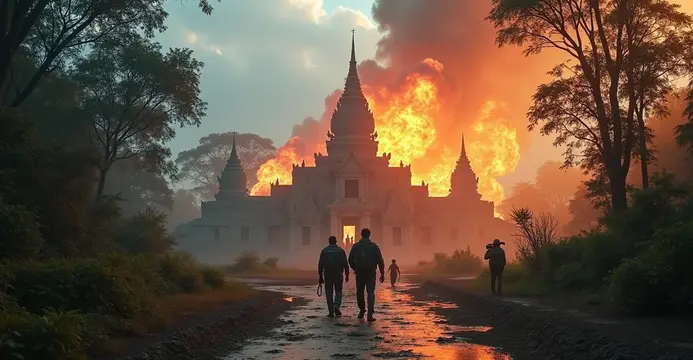
The border conflict between Thailand and Cambodia dates back more than a century, centered on the 11th-century Preah Vihear temple complex. The UNESCO World Heritage site sits atop a 525-meter cliff in the Dângrêk Mountains along the 800-kilometer shared border. In 1962, the International Court of Justice ruled the temple belongs to Cambodia, but Thailand has continued to dispute surrounding territory.
The temple's strategic location and cultural significance have made it a flashpoint for nationalist tensions. 'This isn't just about land—it's about national pride and historical legacy,' explained Southeast Asia security analyst Dr. Maria Chen. 'Both governments face domestic pressure to appear strong on border issues.'
International Response and Travel Warnings
The Dutch Ministry of Foreign Affairs has issued urgent travel advisories, designating a 20-kilometer zone along the Thai-Cambodian border as 'red'—meaning Dutch citizens should not travel there under any circumstances. 'The situation on the ground is dangerous and unpredictable,' warned the ministry in a statement. Similar warnings have been issued by other governments, with the UK Foreign Office advising against all but essential travel to affected border areas.
According to NL Times, the Dutch advisory follows December 8 clashes where Cambodia reported nine civilian deaths and 20 injuries, while Thailand confirmed four soldiers dead and 68 wounded.
Trump's Failed Peace Efforts and Regional Implications
The renewed fighting represents a collapse of the ceasefire brokered by U.S. President Donald Trump in October 2025. Trump had hailed the agreement as a diplomatic victory, threatening to suspend trade agreements if fighting continued. 'I'm going to make a phone call and end the war between two powerful countries,' Trump stated regarding the current crisis.
However, Thailand's Prime Minister has indicated he no longer remembers the Trump-backed peace agreement, signaling the fragility of international mediation efforts. The conflict threatens regional stability in Southeast Asia and has prompted calls for restraint from the United Nations and European Union.
Humanitarian Crisis Unfolding
Temporary shelters have been established in Buriram and other eastern Thai provinces, while Cambodia has set up emergency accommodations across five border provinces. Aid organizations report shortages of food, water, and medical supplies as the displaced population swells.
'We left everything behind—our homes, our farms, our animals,' said evacuated farmer Somchai from Thailand's Sisaket province. 'We don't know when we can return, or if there will be anything left to return to.'
The mass displacement surpasses that from similar conflicts earlier in 2025 and represents one of the largest forced migrations in the region in recent years. With no immediate diplomatic solution in sight and both sides digging in militarily, humanitarian workers fear the crisis could worsen in coming days.