Nederlands
 English
 Deutsch
 Français
 Español
 Português
Major retailers are implementing comprehensive packaging reduction plans driven by Extended Producer Responsibility regulations, shifting from voluntary initiatives to mandatory compliance with profound impacts on markets, policies, and communities.
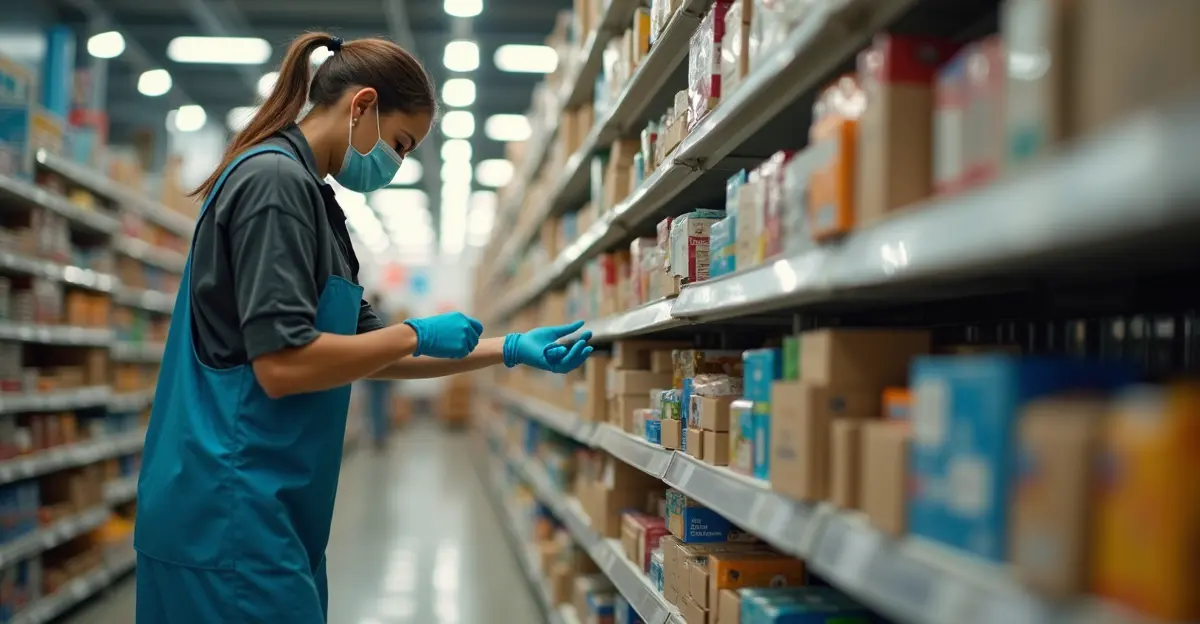
The Great Packaging Reckoning: How Retailers Are Redefining Sustainability
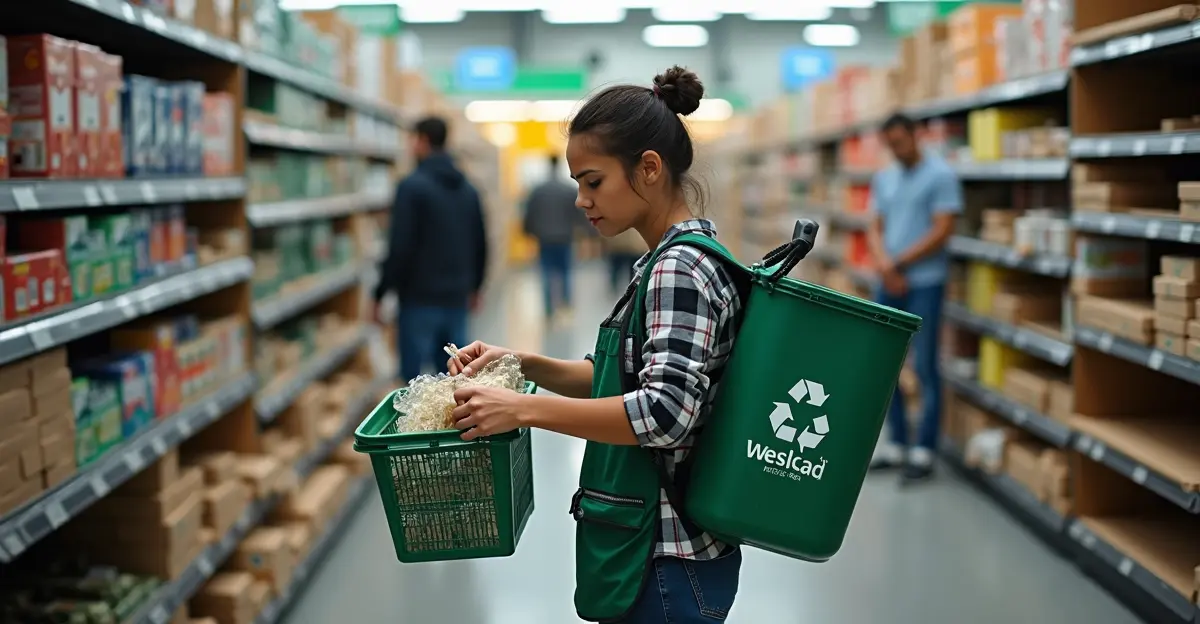
In a watershed moment for global retail, major corporations are implementing comprehensive packaging reduction plans that are reshaping environmental policy, market dynamics, and community relationships. The 2025-2026 period has marked a dramatic shift from voluntary sustainability initiatives to mandatory compliance frameworks, with Extended Producer Responsibility (EPR) schemes taking center stage across Europe and North America.
From Greenwashing to Genuine Circularity
The packaging industry is experiencing what experts call 'The Great Plastic Reckoning.' According to Mintel's 2026 Global Packaging Predictions, consumers are realizing that most 'recyclable' plastic isn't actually recycled, creating a trust crisis that's forcing retailers to move beyond marketing claims to authentic solutions. 'We're seeing the end of the recycling myth,' says packaging analyst Sarah Chen. 'Brands that fail to deliver on sustainability promises face not just regulatory penalties but consumer abandonment.'
Bain & Company's 2026 Paper & Packaging Report reveals a striking statistic: 59% of surveyed customers would switch suppliers failing to meet sustainability criteria within three years. Even more compelling, 65% of customers are willing to pay 5%+ premiums for sustainable options within the same timeframe. 'Sustainability has moved from a nice-to-have to a core purchasing criterion,' notes Bain partner Michael Rodriguez. 'Growth leaders in packaging are also sustainability leaders, outperforming financially.'
Regulatory Tsunami Reshapes Economic Landscape
The regulatory environment has transformed dramatically. Europe's Packaging and Packaging Waste Regulation (PPWR) and various state-level EPR laws in the United States are creating what industry insiders call a 'compliance tsunami.' These regulations are pushing companies toward recyclable mono-materials, fibre-based packaging, and bio-based alternatives like PLA and mushroom mycelium.
The Sustainable Packaging Coalition's 2025 report identifies four major trends: innovative refills making a comeback in spirits and beauty products, companies setting material-specific sustainability goals, material health taking center stage, and specialized recyclers filling gaps in municipal recycling programs. '2025 marks a watershed moment as the first EPR laws take effect and states redefine what qualifies as recyclable,' explains coalition director Elena Martinez.
Community Impact and Local Economies
Beyond corporate boardrooms, packaging reduction plans are having profound effects on communities. Local recycling facilities are being upgraded, new jobs are being created in the circular economy sector, and municipalities are seeing reduced waste management costs. However, the transition isn't without challenges. Smaller retailers and suppliers face significant financial burdens in adapting to new packaging standards.
Community activist Jamal Washington notes, 'We're seeing a real shift in how businesses engage with local environments. The packaging reduction movement is creating partnerships between retailers, waste management facilities, and community organizations that didn't exist three years ago.'
Market Transformation and Innovation Boom
The market is responding with remarkable innovation. According to Towards Packaging's market analysis, the sustainable packaging market shows paper & paperboard materials leading at 28% share, with biopolymers showing the fastest growth rate. Flexible packaging formats hold the largest share and are growing rapidly, particularly in e-commerce applications.
Smart packaging is gaining momentum with QR codes, digital watermarks, and NFC tags enabling better traceability and compliance with upcoming EU digital product passports. Circular economy models are advancing through refill/reuse systems and right-size packaging technology to reduce waste and shipping costs.
The Path Forward: Integration and Transparency
As we move deeper into 2026, the focus is shifting toward integrated systems and transparency. The 2026 sustainable packaging guide emphasizes using established frameworks like the Sustainable Packaging Coalition's 5 principles and Ellen MacArthur Foundation's circular economy model. Key strategies include designing SMART packaging (Systems approach, Material health, Accessibility, Reduction, Life-cycle thinking) and treating sustainability as a business lever rather than just environmental compliance.
'The future requires reducing plastic reliance, reusing materials, and embracing circularity with transparency,' concludes environmental policy expert Dr. Amina Khalid. 'We're moving beyond the bin to systems that build consumer trust and address environmental urgency with measurable results.'